

714 Glenwood Ln, Glenview, IL
peakheatingcooling1@gmail.com
(773) 860-0451


From The Glen Town Center’s townhomes to Glen Oak Acres’ 1940s estates, from the Milwaukee Avenue ranches near The Grove to the new construction rising at Northbrook Court — Glenview’s homes are as different as its history. We install HVAC systems across every corner of the village, and we know what each neighborhood demands.
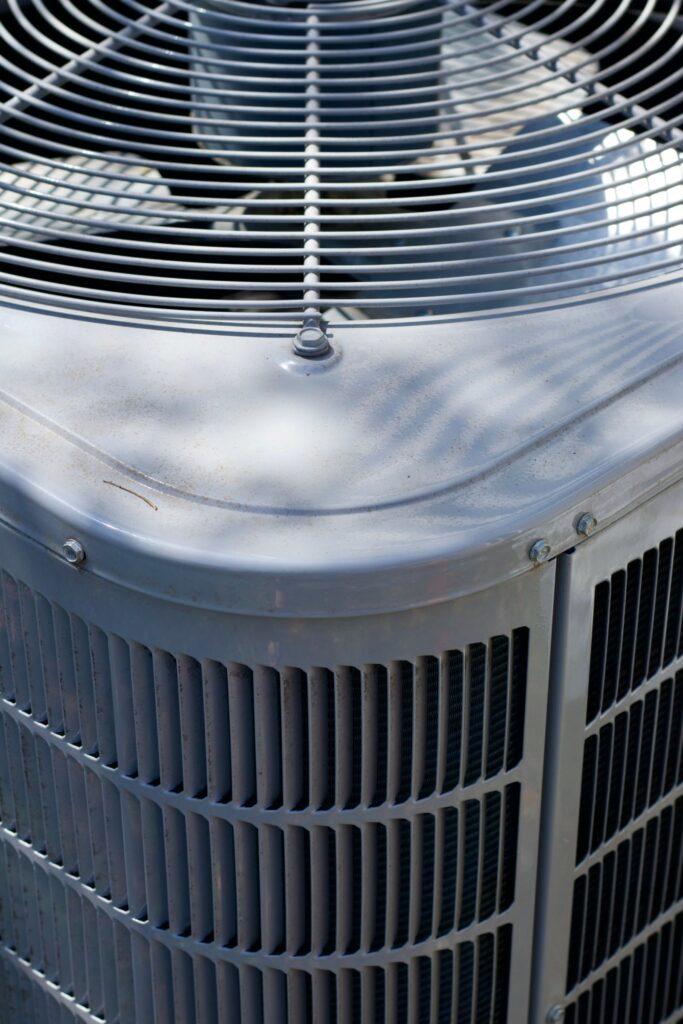
Glenview is not one neighborhood. It is a 14-square-mile village with nearly 50,000 residents and a housing stock built across nearly a century of development. No single HVAC approach works across the entire village. The right system for a 1940s estate in Glen Oak Acres is not the same as the right system for a 2005 townhome in The Glen. And neither of those is the same as what a new construction condo near the Northbrook Court redevelopment site requires.
Understanding the local housing stock is what separates a contractor who does the job right from one who does the job fast. We’ve worked in every major Glenview neighborhood. We know which streets have post-war ranches with tight mechanical rooms. We know which new subdivisions still have original 1999 equipment approaching end-of-life. And we know the Glenview permit process — including the 25% winter fee discount — that many homeowners and even some contractors don’t.

We’ve built dedicated pages for each of Glenview’s major neighborhoods and landmarks. Each page covers the specific housing types, permit rules, and local details that apply to that area. Find yours below.


Including 0% Options - Ask Us Now!
Peak Heating and Cooling partners with a trusted financing provider to offer flexible payment options, including 0% financing for qualified applicants. Get the comfort you need now and pay over time with affordable monthly plans. Ask us today about financing options and eligibility.
Free estimates. Same-day availability for urgent needs. We serve every Glenview neighborhood. Call us anytime — 24/7.
Glenview’s housing mix means we install every type of heating and cooling system — from standard forced-air furnaces and central AC units to heat pumps, ductless mini-splits, and boiler replacements in pre-war homes. Every install begins with a site assessment and load calculation before any equipment is selected.
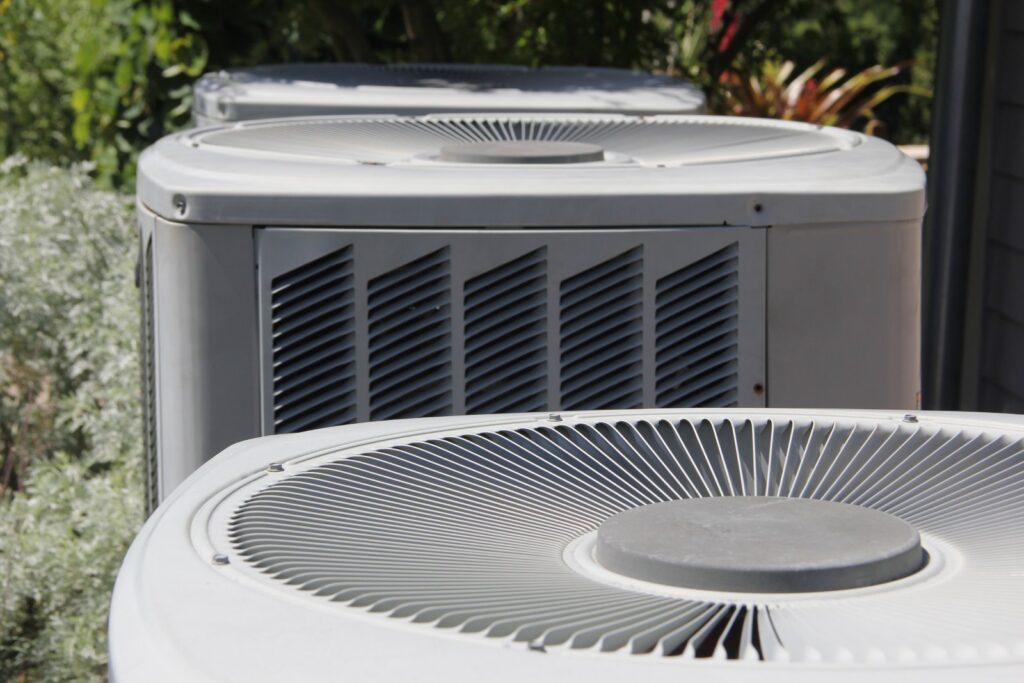
The Village of Glenview requires a permit for HVAC installation. This applies to all neighborhoods — from The Glen Town Center to Glen Oak Acres to the Milwaukee Avenue corridor. Permit applications go through the Village’s Development Center at 2500 East Lake Avenue. The Inspectional Services Division handles scheduling at (847) 904-4330.
Like-for-like replacements — swapping the same type of equipment in the same location with no venting changes — do not require a permit. Everything else does: new systems, system type changes, equipment relocation, and new construction HVAC.
Condenser relocation requires extra documentation. If you’re moving an outdoor unit to a new location — even a few feet — you need to submit a plat of survey or accurate site drawing for zoning approval. We prepare and submit this for you.
We serve every Glenview neighborhood without a trip charge. From the lakeside developments of The Glen to the pre-war estates in Glen Oak Acres, from the Milwaukee Avenue corridor to the East Lake Avenue zone near Wagner Farm — we cover the full village.
Glenview sits 20 miles north of Chicago’s Loop with two Metra Milwaukee District North Line stations — the downtown Glenview stop and the North Glenview stop inside The Glen. We use Waukegan Road, Milwaukee Avenue, Lake Avenue, and both the Edens Expressway and I-294 to reach all parts of the village quickly. Commuter traffic peaks on Lake Avenue and Waukegan Road in the early morning and late afternoon — we route accordingly and schedule to arrive on time.
We also serve the full surrounding North Shore: Northbrook, Glencoe, Wilmette, Winnetka, Highland Park, Deerfield, Northfield, Morton Grove, Park Ridge, Skokie, Niles, and Des Plaines.
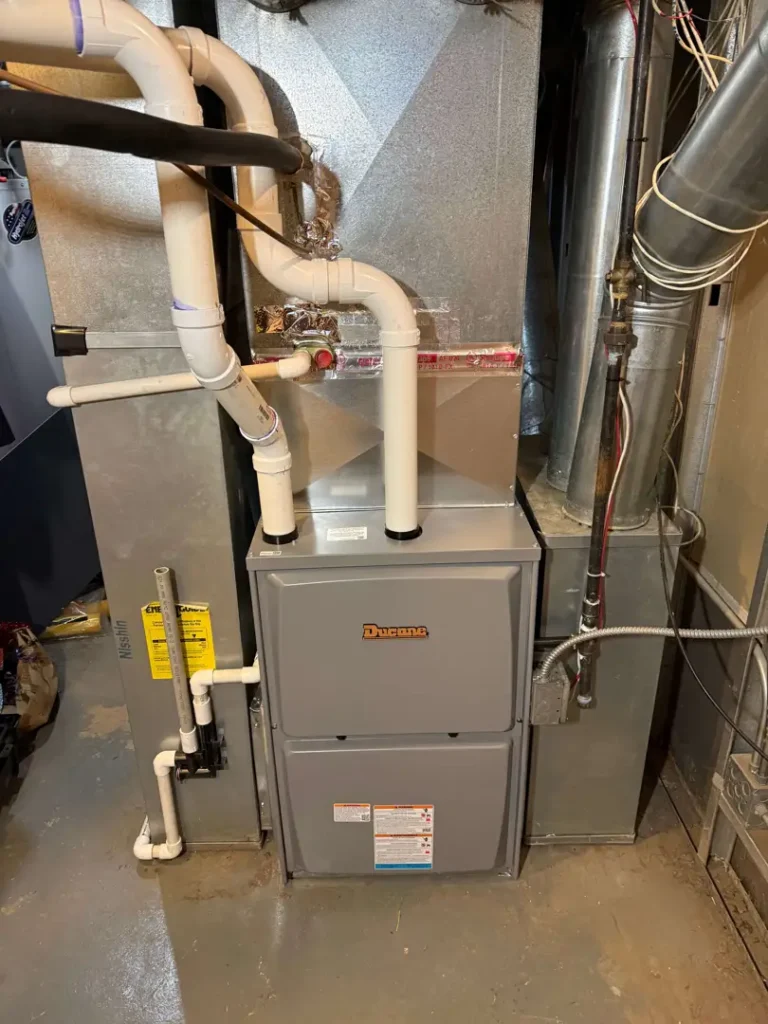


Every neighborhood. Every home type. Every era of construction. We’ve worked across all of Glenview for over 20 years. Call anytime — we’re here 24/7.
The Glen was built between 1999 and 2017 on the former Naval Air Station site. Homes here are newer, more standardized, and often governed by HOA rules that affect condenser placement and exterior equipment screening. Original systems from the first phase of construction (1999–2005) are now reaching the 20-year mark and approaching end-of-life.
Older Glenview neighborhoods — like Glen Oak Acres (dating to the late 1930s), Canterbury Park (1960s), or the Milwaukee Avenue corridor near The Grove (1950s–1970s) — have very different mechanical room layouts, older ductwork that often needs assessment before new equipment is specified, and in some cases original gravity or two-pipe heating systems that require a different replacement strategy altogether.
Yes. The Village of Glenview offers a 25% discount on permit fees for single-family home improvement projects when the application is filed between December 1 and February 28. If you’re planning an HVAC installation and your timing is flexible, this winter window produces real savings. We factor this into our scheduling recommendations for any homeowner who asks about it.
Quite possibly. Most HVAC systems are designed to last 15 to 20 years. A home built in the 1960s may be on its second or third system — but even a “newer” replacement from the early 2000s is now over 20 years old. Illinois winters push heating systems hard. Glenview’s all-time low temperature was −25°F in January 1982, and systems in this climate age faster than those in milder regions.
We recommend a pre-season assessment for any Glenview home with a system that is 15 or more years old. We can tell you whether you’re looking at two more years of life or whether replacement now prevents an emergency breakdown in January.
Yes. Townhomes and condos make up a significant portion of the housing stock in The Glen Town Center and other Glenview communities. These installs require additional planning — HOA coordination for condenser placement, elevator or stairwell staging for multi-story buildings, and proper permit pathway confirmation depending on the building’s classification.
We handle all of this coordination on your behalf. We’re familiar with The Glen’s HOA structure and have installed systems in townhomes and condos throughout the neighborhood.
System sizing is determined by a Manual J residential load calculation — not by the size of the old unit or a rule-of-thumb estimate. Load calculations account for your home’s actual square footage, ceiling heights, insulation values, window orientation, and local climate data. For Glenview specifically, this matters because the housing stock ranges from 900 sq ft 1950s ranches to 8,700 sq ft Glen Oak Acres estates — a single sizing formula cannot apply across that range.
We perform site-specific load calculations on every installation. Oversizing causes short-cycling and energy waste. Undersizing means the system runs constantly and still can’t keep up. Getting the size right is the single most important factor in long-term performance and efficiency.