Getting a new furnace can feel like a big deal, and honestly, it is. It’s not just about staying warm when it’s freezing outside, though that’s a huge part of it. A good furnace installation means your home is comfortable, your energy bills are manageable, and you’re not worrying about breakdowns on the coldest night of the year. We’re going to break down what you need to know about furnace installation, from picking the right unit to making sure it’s installed correctly so it runs smoothly for years to come. Let’s get your home ready for whatever winter throws at us.
Key Takeaways
- When your furnace is 15-20 years old, needs frequent repairs, or your energy bills are climbing, it’s probably time for a replacement.
- A professional furnace installation typically takes 4-8 hours for a standard replacement, involving removing the old unit, setting up the new one, checking ductwork, making connections, and performing safety tests.
- Look for furnaces with an AFUE rating of 90% or higher, with modern units reaching up to 98% efficiency, which can significantly lower your heating bills.
- Professional installation is often required to keep your furnace’s manufacturer warranty valid, protecting your investment.
- Proper sizing of your furnace, determined by a load calculation that considers your home’s specific features, is vital for efficient operation and preventing wear and tear.
Understanding Your Furnace Installation Needs
Recognizing When to Replace Your Heating System
You know how you don’t really think about your furnace until it’s about 10 degrees outside and suddenly it won’t turn on? That’s usually the moment most of us realize our old system is on its last legs. The average furnace lasts around 15 to 20 years, but if you’re facing costly repairs year after year or if your energy bills keep creeping up, it’s a clear sign your heating system might not be worth saving anymore.
- Repairs are happening more often (and costing more).
- The furnace won’t keep every room comfortable — cold spots pop up everywhere.
- Your system is noisy, cycling constantly, or letting out new weird smells.
If you’re stuck deciding, it’s often smart to follow the “50% rule”: If a repair costs more than half the price of a new furnace, replacement is usually the better deal for both comfort and peace of mind.
Key Factors for a Successful Furnace Installation
Getting a new furnace put in is more than just swapping out an old box for a new one. Several factors can make or break your installation:
- Proper sizing: What works for your neighbor’s house isn’t automatically right for yours. Every home has its own heating needs.
- Ductwork condition: If your ducts leak, even the best furnace will struggle and crank up your bills.
- Professional installation: You’ll want a crew that knows the local building codes, manufactures’ instructions, and safety steps.
Here’s a quick look at what really matters:
| Factor | Why It Matters |
|---|---|
| Accurate load calc. | System isn’t oversized/undersized |
| Ductwork inspection | Air moves efficiently/quietly |
| Skilled installers | Safer, warranty stays valid |
| AFUE (efficiency) | Lower monthly energy costs |
The way your system is selected and installed will have a major effect on monthly bills, comfort, and how long your unit lasts — so do it right the first time, not the fast way.
Choosing the Right Size and Type for Illinois Winters
Here in Illinois, winters aren’t exactly mild. Picking the right kind of furnace, as well as the right size, is non-negotiable if you want your house to stay warm without blowing your budget.
Here’s how pros size and match your new heating system:
- They look at insulation, windows, which direction your house faces, and square footage — not just the model that “looks good on paper”.
- Options include natural gas, electric, propane, or dual-fuel setups. Most people in Illinois still go with gas for its efficiency and reliable warmth in deep freezes.
- High efficiency (90%+ AFUE) models will save plenty on bills and perform well in the toughest months.
| Furnace Type | Pros | Cons |
|---|---|---|
| Natural Gas | Quick heat, low fuel cost, reliable | Needs gas line, venting |
| Electric | Simple install, safe | Costlier to run in winter |
| Propane/Oil | For rural areas, no gas line needed | Fuel prices fluctuate |
| Dual-Fuel/Heat Pump | Efficiency, backup for extreme cold | Higher upfront cost |
The best furnace isn’t always the biggest — it’s the one that fits your house, your habits, and your budget. An installer experienced in Illinois winters will make sure the system meets all the unique frozen Midwest challenges.
For a deeper understanding of what goes into a successful system replacement, you might find this walk-through of the step-by-step installation process helpful.
The Professional Furnace Installation Process
So, you’ve decided it’s time for a new furnace. That’s a big step, and honestly, it’s not something you want to mess around with if you’re not a pro. Getting it installed right is super important for how well it works and how long it lasts. Let’s break down what actually happens when you have a professional team come to your home.
The Professional Installation Process Explained
When you schedule a furnace installation, it’s way more than just swapping out an old unit for a new one. It’s a whole process designed to make sure your new system is set up perfectly for your home. It starts with a good look at your house to figure out exactly what you need. Then comes the actual setup, which involves a few key steps:
- Initial Assessment: A technician will check your home’s size, insulation, and even how many windows you have. This helps them figure out the right size furnace, measured in BTUs, that your home needs to stay warm without working too hard.
- Site Preparation: Before any heavy lifting, the team will protect your floors with drop cloths and make sure the work area is clear. They’ll also shut off the gas and electricity to the old unit for safety.
- Old Unit Removal: The old furnace is carefully disconnected from all its lines – gas, electrical, and venting. It’s then removed and taken away for proper disposal. This is also a good time to check if your existing ductwork is in good shape and can handle the airflow from a new, efficient unit.
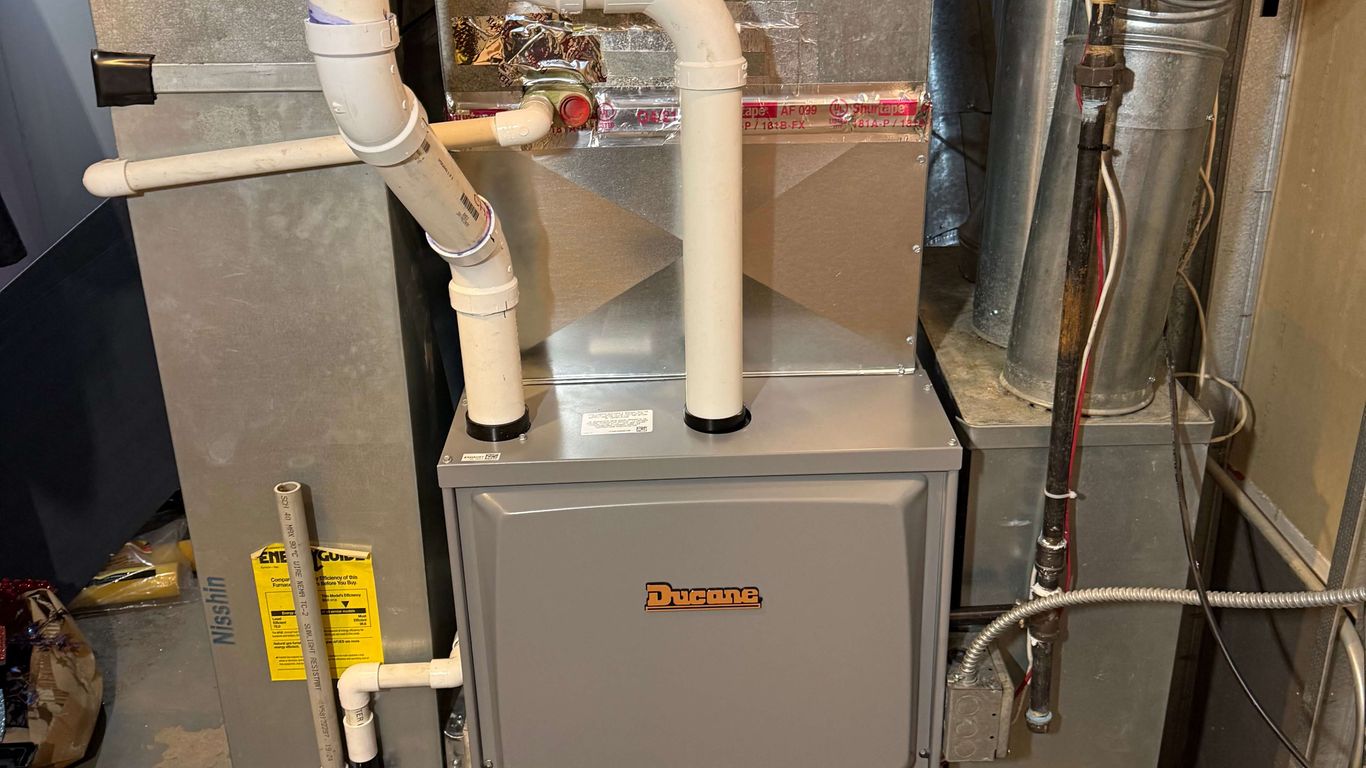
- New Equipment Setup: The new furnace is placed, leveled, and secured. For high-efficiency models, this includes installing new PVC venting pipes that safely carry exhaust gases and condensation outside.
- Connections and Wiring: This is where the technical stuff happens. Gas lines are connected and checked for leaks, and the unit is wired to your home’s electrical panel. Safety shut-offs are installed, and a condensate drain is set up for high-efficiency units.
- System Testing and Calibration: This is a big one. The team will test the gas pressure, balance the airflow to make sure every room gets heat, and perform a combustion analysis to check for safe venting. They’ll also test the temperature rise – the difference between the air going into the furnace and the air coming out – to make sure it’s within the manufacturer’s specs. This step is critical for maintaining your warranty.
Timeline and What to Expect on Installation Day
For a standard furnace replacement, where the ductwork is already in place and doesn’t need major changes, you can usually expect the job to be finished within a single day. Most installations take between 4 to 8 hours. If the project is more complex, like needing new ductwork installed or relocating the furnace, it might stretch to a day or two. The technicians will handle any necessary permits required by local codes. At the end of the day, they’ll do a walkthrough with you, showing you how to use your new thermostat and explaining basic maintenance like changing air filters.
Safety and Efficiency Standards
Professionals follow strict guidelines to make sure your new furnace is safe and runs efficiently. This includes making sure all gas connections are leak-free and that the venting system is properly installed to prevent carbon monoxide from entering your home. They also ensure the electrical connections are correct and meet code. Proper installation is key to achieving the high AFUE (Annual Fuel Utilization Efficiency) ratings advertised by manufacturers, meaning more of your energy dollars go towards heating your home and less is wasted. Following these standards not only keeps your family safe but also helps your new system perform at its best for years to come. You can find more details on the steps involved in proper installation to ensure safety and efficiency.
Ensuring Optimal Performance After Installation
So, the new furnace is in! That’s great. But the job isn’t quite done yet. Getting your new heating system to run at its best involves a few key steps right after it’s installed. Think of it like breaking in a new car – you want to make sure everything is running smoothly from the get-go.
System Testing and Calibration
Once the physical installation is complete, the real fine-tuning begins. Technicians will run the system through its paces. This isn’t just about seeing if it turns on; it’s about making sure it’s working exactly as it should. They’ll check things like:
- Airflow Balance: Making sure the air is distributed evenly throughout your home, so you don’t have one room that’s way too hot and another that’s freezing.
- Combustion Analysis (for gas furnaces): This is a big safety check. They’ll analyze the exhaust gases to make sure everything is venting properly and safely, preventing any carbon monoxide issues.
- Temperature Rise: Measuring the difference between the air going into the furnace and the air coming out. This tells them if the furnace is heating the air effectively.
- Electrical Connections: Double-checking all wiring to ensure it’s secure and meets the equipment’s requirements.
This detailed testing phase is what separates a good installation from a great one. It’s about making sure every component is working in harmony and that your system is safe and efficient from day one.
Proper Sizing for Peak Efficiency
We touched on this during installation, but it’s worth repeating. A correctly sized furnace is absolutely key to its long-term performance and your comfort. If your furnace is too big, it’ll constantly turn on and off rapidly (short cycling). This is hard on the equipment, leads to uneven temperatures, and wastes energy. If it’s too small, it’ll run constantly, struggling to keep up, especially on those really cold Illinois days, and driving up your energy bills. The load calculation done during the assessment phase is what prevents these problems. It takes into account your home’s square footage, insulation, window types, and even how your house is oriented to the sun. Getting this right means your system will operate efficiently, providing consistent warmth without overworking itself.
Maintaining Your Warranty with Professional HVAC Installation
This is a really important point that many homeowners overlook. Most furnace manufacturers require professional installation by a licensed HVAC contractor to keep the equipment warranty valid. If you were to have a part fail down the line, and it turns out the system wasn’t installed by a pro, you could be on the hook for the entire repair cost. That’s a big risk to take! A professional installation not only protects your investment by keeping that warranty intact but also means the work is done to code and to the manufacturer’s specifications. This peace of mind is invaluable. For more on how to keep your system running smoothly long-term, you can check out how to optimize your HVAC system.
Benefits of Upgrading Your Heating System
So, you’re thinking about a new furnace. It might seem like a big expense upfront, but honestly, the advantages really stack up over time. It’s not just about staying warm when it’s freezing outside; it’s about making your home a more comfortable and cost-effective place to live.
Improving Comfort and Air Quality
One of the most noticeable changes you’ll experience is how evenly your home is heated. Old furnaces can leave you with those annoying hot and cold spots – one room might be like a sauna while another feels like an icebox. Newer systems, especially those with variable-speed blowers, circulate air more consistently. This means fewer drafts and a much more stable temperature throughout your house. Plus, many modern furnaces come with advanced air filtration. Think cleaner air, with fewer dust particles, pollen, and other allergens floating around. For folks dealing with allergies or asthma, this can make a real difference in how your home feels day-to-day.
Long-Term Financial Advantages
Let’s talk about the money. While the initial purchase is an investment, the savings on your energy bills can be quite significant. High-efficiency furnaces use fuel much more effectively, meaning less of your money goes up the chimney. Over the years, these savings add up. You also cut down on those unexpected repair bills that seem to pop up right when you least expect them, usually on the coldest night of the year. It’s often said that if a repair costs more than half the price of a new system, it’s time to consider replacing it. Constantly paying for fixes on an old unit is just throwing money away.
Benefits of Upgrading to a High-Efficiency System
When you look at new furnace options, you’ll see something called AFUE, which stands for Annual Fuel Utilization Efficiency. This number tells you how much of the fuel you pay for actually becomes heat for your home. Older furnaces might be around 70-80% efficient, meaning a good chunk of energy is wasted. Modern high-efficiency units can reach 95% or even higher. That’s a huge difference! It means more heat for your dollar and less impact on the environment. Plus, upgrading your heating system can even boost your home’s resale value. Buyers often look for updated, efficient mechanical systems because they know how costly breakdowns can be, especially in colder climates. Investing in a new furnace is a smart move for both your wallet and your home’s future.
Choosing the right size and type of furnace for your home’s specific needs is key. An oversized unit can lead to frequent on-and-off cycles, which isn’t efficient and wears out parts faster. Conversely, a unit that’s too small will struggle to keep up, running constantly without fully heating your space. A professional assessment helps get this balance just right.
Upgrading your heating system is a solid investment in your home’s comfort and your financial future. If you’re curious about what a new system could do for you, it’s worth looking into the options available for furnace installation.
Why Professional Expertise Matters
Look, nobody wants to spend more money than they have to. And when you see a furnace installation video online, it might seem like a straightforward job. But let me tell you, messing with gas lines, high-voltage electricity, and pressurized refrigerants is not like fixing your bike in the garage. It’s serious business, and getting it wrong can be dangerous and costly.
Why Furnace Installation Demands the Right Approach
Think about it: your furnace is the heart of your home’s heating system. It needs to work reliably, especially when those brutal Illinois winters hit. A DIY attempt or hiring someone without the right background can lead to a system that just doesn’t perform right. This means uneven temperatures, higher energy bills, and a much shorter lifespan for your expensive new equipment. It’s not just about bolting in a new box; it’s about making sure all the connections – gas, electrical, and venting – are perfect. Plus, a poorly installed system might not even be covered by the manufacturer’s warranty, leaving you high and dry if something goes wrong.
Ensuring Safety and Code Compliance
This is a big one. Local building codes are in place for a reason, mostly to keep you and your family safe. Improperly installed gas furnaces can leak dangerous carbon monoxide into your home, and faulty electrical work is a serious fire hazard. Professional HVAC technicians are trained to know all the local regulations and how to meet them. They’ll make sure your system is vented correctly, all electrical connections are secure, and that everything passes inspection. It’s about peace of mind, knowing your home is safe and up to code. You can find more details on why this is so important in our guide to permits and professionals.
Why Local Expertise Matters
Every area has its quirks, and Illinois winters are no joke. A company that works locally, like here in the Chicagoland area, understands the specific demands placed on heating systems in our climate. They know the common issues that pop up with homes in neighborhoods like Glenview or Park Ridge. They’re also familiar with the local permit process and building codes, which can be a headache if you’re not used to it. Plus, when you need service down the line, having a local team you can trust means faster response times and a better understanding of your home’s specific setup. It’s about getting a system that’s not just installed, but installed correctly for your specific home and location.
Key Considerations for Your New Furnace
So, you’re looking into a new furnace. That’s a big step, and honestly, it’s more than just picking out a new appliance. There are a few things you really need to think about to make sure you get the right one for your home and for our tough Illinois winters.
Understanding AFUE and Energy Efficiency
First off, let’s talk about efficiency. You’ll hear a lot about AFUE, which stands for Annual Fuel Utilization Efficiency. Basically, it’s a percentage that tells you how much of the fuel you pay for actually becomes heat for your house. The rest just goes up the chimney, which is a waste of money and energy. Since 2013, new furnaces have to be at least 80% AFUE. But honestly, for our climate, you’ll want to aim higher. Many modern furnaces can reach 90% to 98% AFUE. That means almost all your money goes into keeping you warm, not into heating the outside air. Choosing a high-efficiency unit can really cut down on your heating bills over time.
Choosing the Right Fuel Source
Natural gas is pretty common around here and works great, especially when it gets really cold. But it’s not your only option. Depending on where you live and what hookups you have, you might also consider:
- Electric Furnaces: These are safe but can sometimes use more energy when it’s freezing outside.
- Propane or Oil Furnaces: These are often found in older or more rural areas where natural gas lines aren’t available.
- Dual-Fuel Systems: This is a popular choice. It’s a combination of a high-efficiency gas furnace and an electric heat pump. The heat pump handles milder days, and the gas furnace kicks in when it’s really bitter cold. It’s a smart way to get the best of both worlds for efficiency.
Buying Decision Factors
When you’re making the final call, think about these points:
- Your Home’s Needs: A professional will do a load calculation, which is way more than just measuring square footage. They look at insulation, windows, and even how your house is oriented to figure out exactly how much heat you need. Getting this right prevents the furnace from running too much or not enough.
- Long-Term Costs: While a super-efficient furnace might cost a bit more upfront, the savings on your energy bills can add up quickly. Plus, think about potential rebates or tax credits that might be available for high-efficiency models.
- Warranty and Reliability: Look into the warranty offered by the manufacturer. A good warranty, especially on the heat exchanger, can give you peace of mind. Also, consider the reputation of the brand and the installer. You want a system that’s built to last and installed by pros who know what they’re doing. This is why professional installation is so important for keeping your furnace warranty valid.
Making the right choice now means fewer headaches and more comfort down the road. It’s worth taking the time to get it right, considering everything from the AFUE rating to the fuel source and how it all fits your specific home.
Thinking about a new furnace? It’s a big decision! We’ve put together some important things to think about to help you choose the best one for your home. From energy savings to the right size, we cover it all. Ready to learn more and find the perfect fit? Visit our website today for expert advice and to see our top furnace options!
Wrapping Up Your Furnace Project
So, getting a new furnace is a pretty big deal for your home, especially with how cold Illinois winters can get. It’s not just about staying warm, either; a good installation means saving money on your energy bills and making sure everything runs safely. When you pick the right pros, they handle all the tricky parts, from sizing the unit just right to making sure all the connections are safe and up to code. Plus, getting it done by experts keeps your warranty in good shape for years to come. It’s really about peace of mind, knowing your home will be comfortable and safe all season long.
Frequently Asked Questions
How do I know if my furnace needs to be replaced?
If your furnace is 15 to 20 years old, needs frequent repairs, or your energy bills keep going up, it’s probably time for a new one. Also, if a major part like the heat exchanger breaks, replacement is often safer and more cost-effective than fixing an old unit.
How long does a furnace installation usually take?
For a typical furnace replacement, the job usually takes between 4 to 8 hours. If the installation is more complicated, like moving the furnace or changing the type of fuel it uses, it might take a day or two.
What is AFUE and why is it important?
AFUE stands for Annual Fuel Utilization Efficiency. It’s a percentage that tells you how much of the fuel your furnace burns actually becomes heat for your home. A higher AFUE rating, like 95% or more, means less energy is wasted, saving you money on your heating bills.
Why is it important to have a furnace professionally installed?
Installing a furnace involves working with electricity, gas lines, and sometimes refrigerants, which can be dangerous if not done correctly. Professional installers make sure the job is done safely, meets all building codes, and that your new system is set up to run efficiently. Plus, most manufacturers require professional installation to keep your warranty valid.
What are the benefits of upgrading to a high-efficiency furnace?
High-efficiency furnaces can lower your monthly heating bills by up to 30% because they waste less energy. They also provide more even heating throughout your home, improve indoor air quality with better filters, and can even increase your home’s value. Plus, they are better for the environment.
What should I do to maintain my new furnace?
To keep your new furnace running well and to keep your warranty active, it’s important to have it checked by a professional once a year for a tune-up. You should also change your air filters regularly, usually every 1 to 3 months, depending on your home’s conditions.