

714 Glenwood Ln, Glenview, IL
peakheatingcooling1@gmail.com
(773) 860-0451


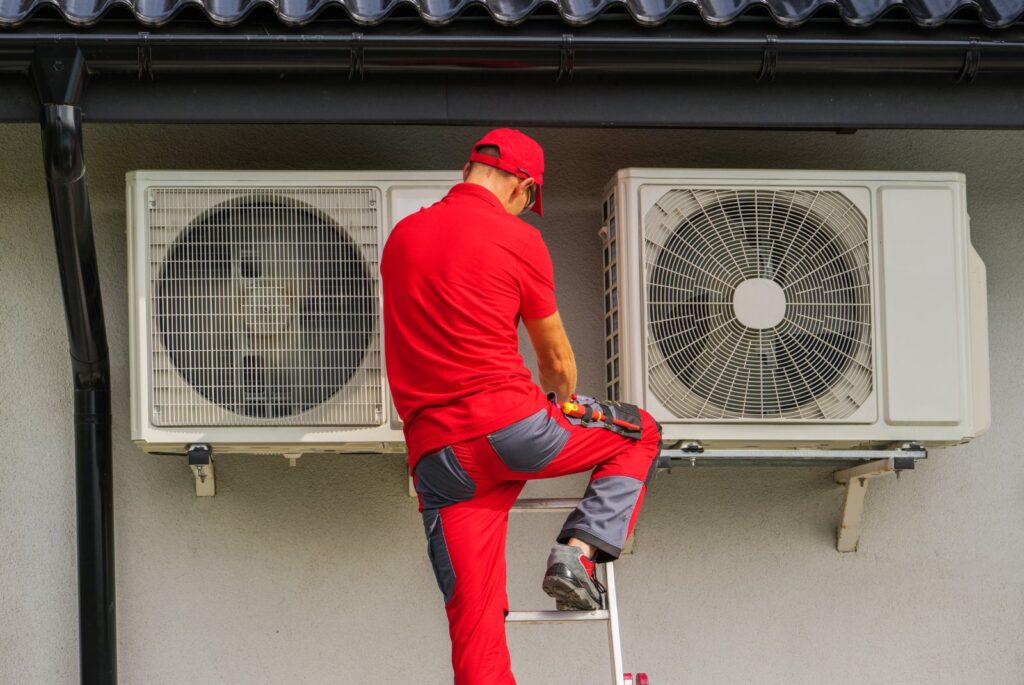
Your HVAC system doesn’t get a break. January temperatures drop below zero. July pushes past 90°F with heavy humidity. That kind of range puts real stress on heating and cooling equipment — and systems that don’t get regular care are the ones that fail when you need them most.
Peak Heating & Cooling has provided HVAC maintenance in Glenview and across Chicagoland since 2006. Our licensed technicians service all major brands, catch problems early, and keep your system running efficiently through every season. We offer flexible scheduling, same-day availability, and straightforward service with no upsells.
This page covers routine maintenance visits, seasonal tune-ups, and what ongoing care looks like for Glenview homes and businesses. Whether you’re overdue for service or want to set up a regular schedule, we’re ready to help.
A lot of homeowners schedule maintenance without knowing exactly what happens during the visit. That’s a problem — because when you know what’s included, you can tell whether the work was actually done.
Here’s what a thorough HVAC maintenance visit covers at Peak Heating & Cooling.
By the end of the visit, you know exactly what was checked, what was found, and what — if anything — needs attention.
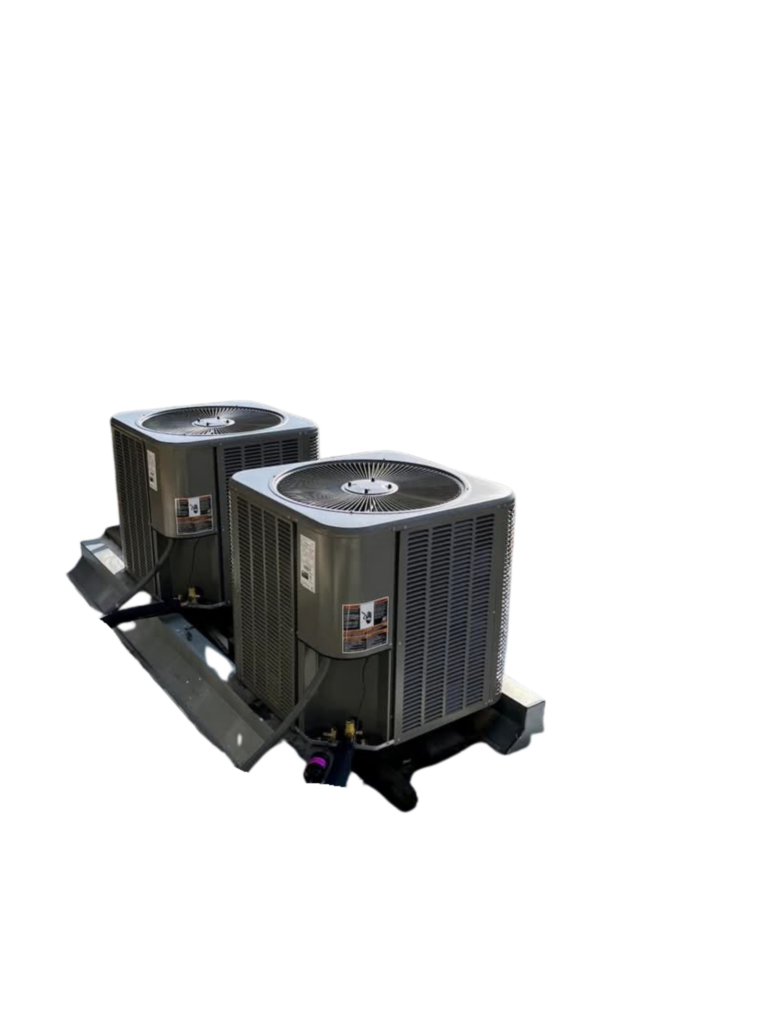
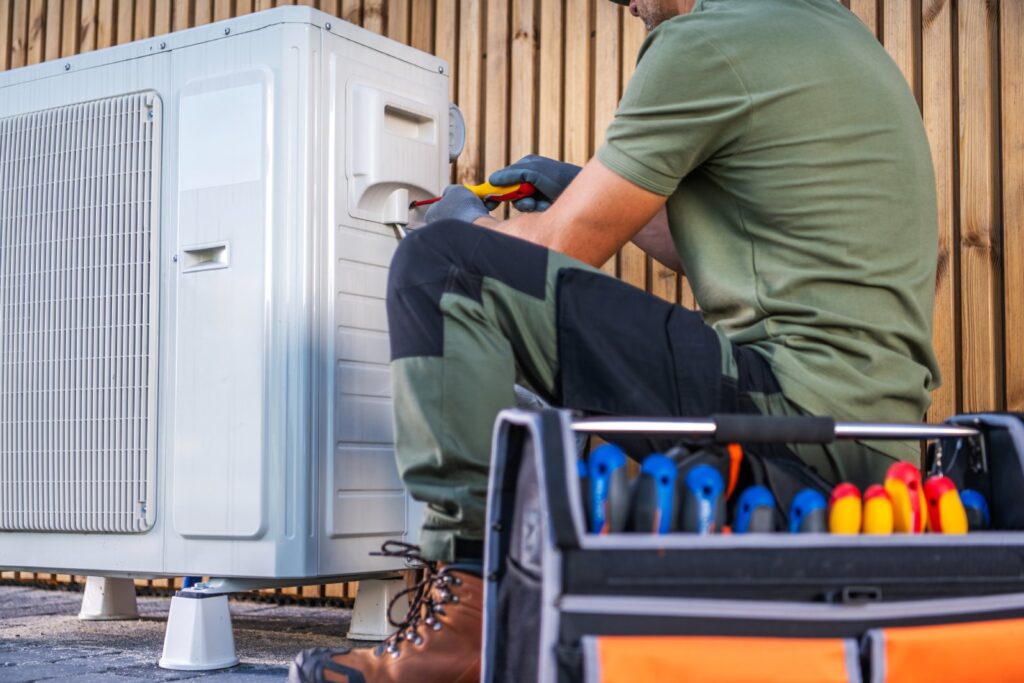


The standard recommendation is once a year. The honest recommendation for Glenview homeowners is twice.
Here’s why. Most HVAC manufacturers and industry guidelines suggest annual service. That advice is based on moderate climates where systems run at moderate loads. Glenview is not a moderate climate.
Your furnace runs hard from November through March. Your air conditioner runs hard from June through August. That’s nearly seven months of heavy use every year, split across two completely different mechanical systems. Servicing once a year means one of those systems goes into its peak season without a recent checkup.
If your system is newer and running well, annual service may be sufficient. If it’s over 10 years old, has had repairs in the past, or serves a larger home, twice-yearly service is the smarter call. We’ll give you an honest recommendation based on your actual equipment — not a schedule designed to sell you more visits than you need.
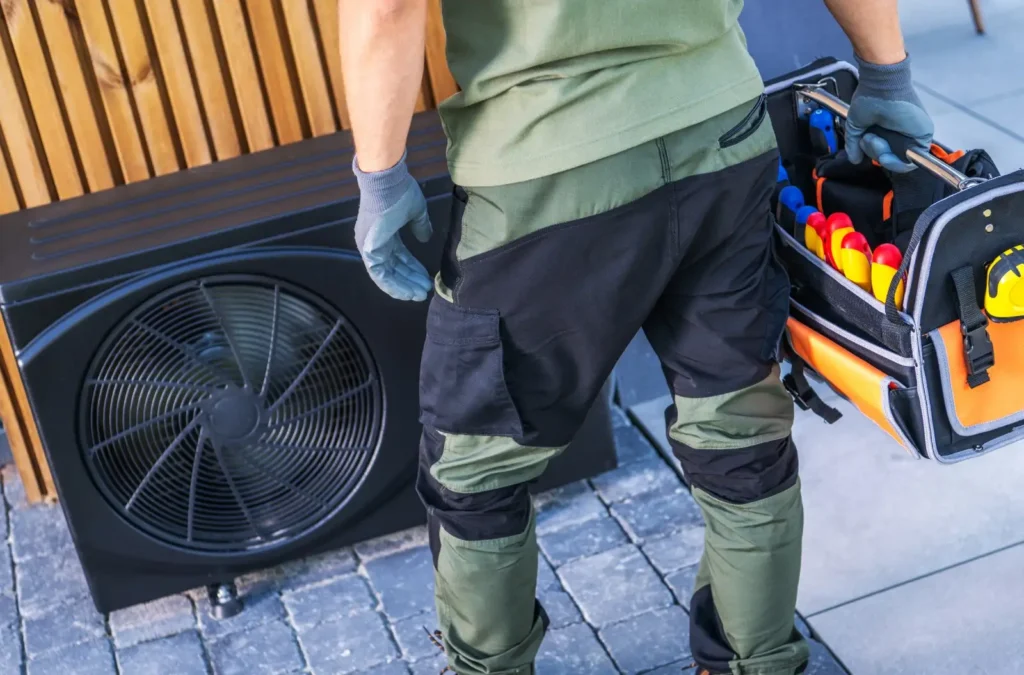

In most parts of the country, skipping an HVAC tune-up for a year or two is a gamble. In Glenview, it’s almost a guarantee of a problem.
The reason comes down to how hard local systems work. Glenview sits in ASHRAE Climate Zone 5A — one of the most demanding heating and cooling zones in the country. That means your system experiences both significant heating loads in winter and significant cooling loads in summer, with very little mild weather in between.
Add Lake Michigan’s influence and the picture gets sharper. Lake-driven weather patterns push rapid temperature swings, high humidity in summer, and brutal wind chills in winter through the North Shore. On a cold January day, your furnace may run almost continuously for hours at a time. On a humid July afternoon, your AC does the same. That kind of runtime accumulates wear fast.
Here’s what skipped maintenance actually leads to:
Regular maintenance in Glenview isn’t extra caution. It’s what appropriate care looks like for this climate.
When a Peak Heating & Cooling technician arrives at your Glenview home, they work through a consistent checklist. Here’s what that looks like in full.

(773) 860-0451
Timing your maintenance visits right means faster scheduling, better technician availability, and a system that’s ready before the season it needs to handle.
The two windows that work best for Glenview homeowners are March through April for AC maintenance and September through October for furnace maintenance. These are Chicagoland’s shoulder seasons — after the heavy demand of winter and summer, before the next extreme weather cycle begins.
Here’s why timing matters:

Contact Us

Ready to schedule HVAC maintenance in Glenview? We serve Glenview and the surrounding Chicagoland area with flexible scheduling, same-day availability, and honest service on every visit.
FAQ's
A complete maintenance visit covers filter inspection and replacement, coil cleaning, airflow testing, safety inspection of the heat exchanger and burners, electrical component checks, refrigerant level verification, and thermostat calibration. We review all findings with you before we leave.
Twice yearly is the recommended standard for Glenview — once in spring for your AC and once in fall for your furnace. Chicagoland’s extreme temperature range puts systems under more stress than moderate climates, and one annual visit often leaves one system going into peak season without a recent checkup.
Efficiency drops as coils, filters, and components collect buildup. Energy bills climb. Equipment wears faster and reaches the end of its useful life earlier. Safety risks increase — particularly cracked heat exchangers and blocked flues on furnaces. And the probability of an emergency breakdown during peak season goes up significantly.
Yes — a few. Changing your air filter every 30–60 days and keeping the outdoor condenser unit clear of debris are tasks any homeowner can handle. Everything else — refrigerant checks, electrical inspections, heat exchanger testing, and combustion analysis — requires a licensed technician with the right tools and training.
The 2-foot rule refers to keeping at least 2 feet of clearance around your outdoor condenser unit on all sides. This ensures adequate airflow for proper heat exchange. It’s a common issue for Glenview homes with mature landscaping, privacy fencing, or dense shrubs that have grown up around the unit over the years.
March through April for AC service and September through October for furnace service. These shoulder seasons offer the best technician availability before peak demand hits. Booking early gives you flexibility — if parts are needed or a follow-up is required, you have time to address it before the season starts.