When Your Heat or AC Fails, Every Minute Counts
Emergency heating and cooling situations can go from uncomfortable to genuinely dangerous in a matter of hours — especially during a brutal Chicagoland winter or a sweltering North Shore summer.
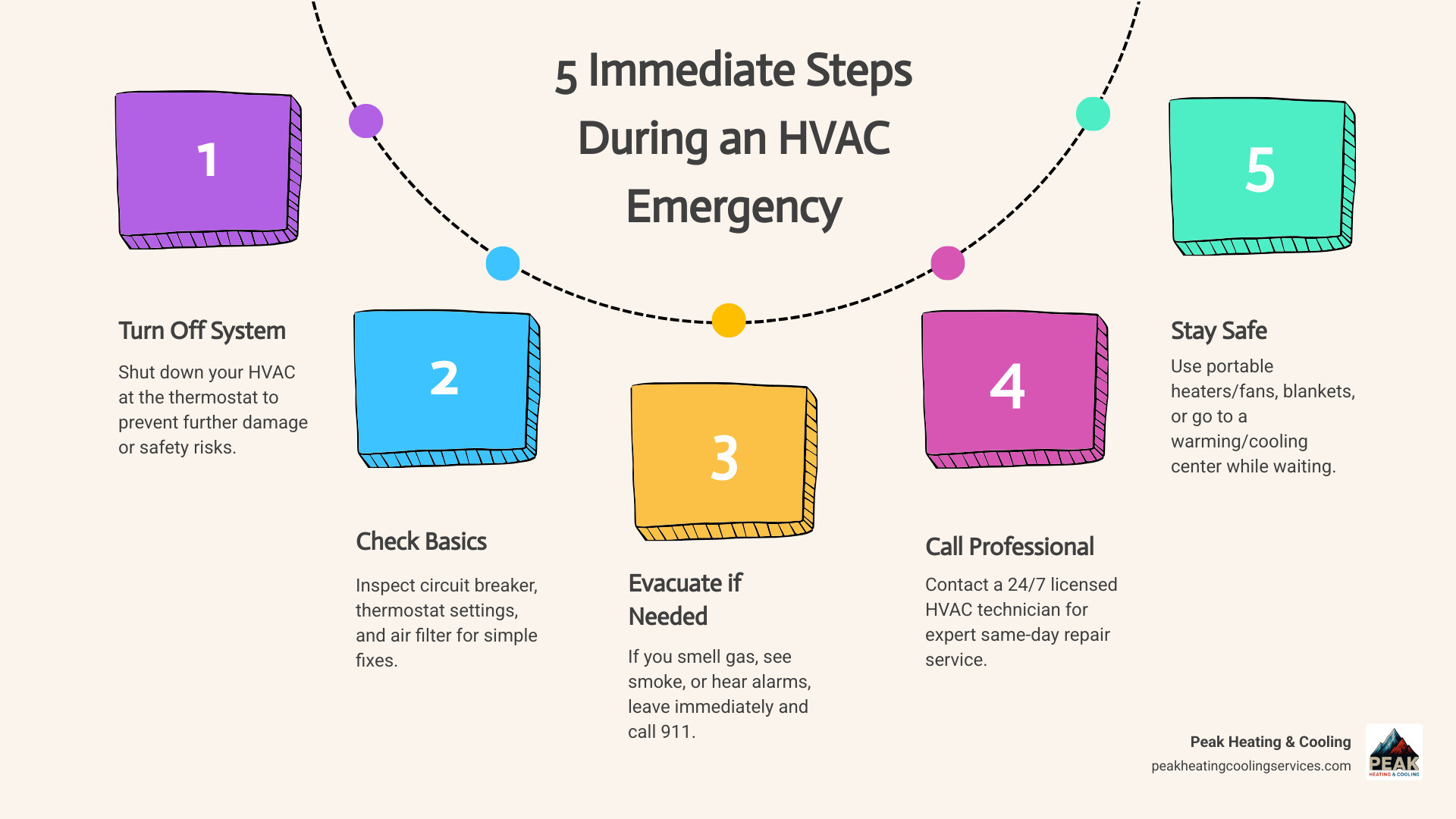
If your furnace stopped working or your AC stopped working and you need help right now, here’s what to do:
- Turn off your HVAC system at the thermostat to prevent further damage
- Check the basics — thermostat settings, circuit breaker, and air filter
- Smell gas or see smoke? Leave the home immediately and call 911
- Call a licensed 24/7 HVAC contractor like Peak Heating & Cooling for same-day emergency service in Glenview and surrounding suburbs
- Stay safe while you wait — use portable heaters, blankets, or head to a public warming or cooling center
A complete system failure on a January night in Glenview — when temperatures drop well below freezing — isn’t just an inconvenience. It’s a health and safety emergency. The same goes for a total AC breakdown during a Chicagoland heat wave in July.
The good news? Knowing what to do in the first few minutes can protect your family, limit damage to your system, and get your home back to a safe temperature faster.
This guide walks you through everything — from recognizing a true HVAC emergency, to immediate steps you can take, to government assistance programs available for eligible households, to why calling a licensed and insured HVAC contractor is always the right move.
What Qualifies as an Emergency Heating and Cooling Crisis?
In the Chicagoland area, we are no strangers to extreme weather. However, a sudden system failure during a record-breaking freeze or a humid heatwave is more than just bad luck; it’s a crisis. An HVAC emergency is any situation that threatens the structural integrity of your home (like frozen pipes) or the health of its occupants.
Extreme temperatures pose significant health risks, particularly for seniors, young children, or those with chronic medical conditions. When the outside air is -10°F and your furnace quits, the indoor temperature can plummet to dangerous levels within hours. In these moments, you need to find out if you are eligible for LIHEAP and apply for immediate assistance if you are facing a financial barrier to repairs.
Signs You Need Immediate Professional Attention
Sometimes the signs are subtle, but often they are impossible to ignore. You should call for emergency heating and cooling support if you notice:
- A furnace stopped working suddenly: If it’s below freezing outside and your home is losing heat fast, this is a top-tier emergency.
- AC stopped working: During a North Shore heatwave, a lack of cooling can lead to heat exhaustion or heat stroke.
- Unusual noises: Loud banging, screeching, or grinding sounds often indicate a mechanical failure that could lead to total system destruction if left running.
- Burning smells: An electrical odor or the scent of burning plastic suggests a short circuit or overheating components.
If you are experiencing these issues, you can find more info about furnace repair services to help diagnose the problem quickly.
When to Evacuate and Call Emergency Services
While we are experts at fixing machines, some situations require the fire department or the gas company first. Safety must always come first.
- Gas Leak: If you smell “rotten eggs,” this is a sign of a natural gas leak. Do not flip any light switches or use your phone inside. Leave the house immediately.
- Carbon Monoxide (CO) Alarm: If your CO detector goes off, do not ignore it. Carbon monoxide is a silent, odorless killer. Get everyone outside into the fresh air.
- Electrical Smoke or Fire: If you see sparks or smoke coming from your unit, evacuate and call 911.
Immediate Steps to Take During an HVAC Emergency
The moments after a system failure are often the most stressful. Before you panic, take a breath and follow a few simple steps. First, turn off the system at the thermostat. If the unit is trying to run while broken, it can cause secondary damage to expensive components like the compressor or heat exchanger.
Next, check your circuit breaker. Sometimes a simple power surge can trip the breaker. If you flip it back and it trips again immediately, stop—this indicates a serious electrical fault. Also, verify that your thermostat settings haven’t been accidentally changed or that the batteries haven’t died. For cooling-specific issues, you can find more info about air conditioning repair service to see if your symptoms match common AC failures.
Troubleshooting Before the Technician Arrives
There are a few “hidden” culprits that can cause a system to shut down. Checking these might even save you a service call:
- Clogged Air Filter: A filter caked in dust restricts airflow so much that the system may overheat and shut down as a safety precaution.
- Blocked Vents: Ensure that furniture or curtains aren’t blocking the return or supply vents.
- Thermostat Batteries: It sounds simple, but dead batteries are a frequent cause of “broken” HVAC systems.
If your system is older and frequently failing, you might want to find your local WAP office to see if you qualify for weatherization assistance that can improve your home’s efficiency.
Staying Safe While Waiting for Emergency Heating and Cooling Support
While our team at Peak Heating & Cooling works fast to provide same-day repairs, you still need to stay comfortable while we are en route.
- In Winter: Close off rooms you aren’t using to trap heat in a central area. Use portable space heaters safely (never leave them unattended or plugged into extension cords).
- In Summer: Close the blinds to block out the sun. Stay hydrated and use fans to move air.
- Public Resources: If your home becomes unsafe, many North Shore communities like Skokie and Wilmette offer public warming or cooling centers in libraries or recreation centers.
For more permanent solutions to recurring heating issues, check out more info about heating contractor services.
Accessing Assistance for Emergency HVAC Repairs
We understand that an unexpected HVAC failure can be a financial burden. Fortunately, there are several programs designed to help low-income households in Illinois stay safe.
The Low Income Home Energy Assistance Program (LIHEAP) is a federal program that helps families pay their energy bills and can sometimes provide emergency funds for equipment repair. Similarly, the Weatherization Assistance Program (WAP) helps long-term by making homes more energy-efficient, which reduces the strain on your HVAC system. To understand your rights, you should find out your state’s policy on utility disconnections, especially during periods of extreme weather.
Government Programs for Equipment Repair and Replacement
If your system is beyond repair, you may qualify for the Heating Equipment Repair and Replacement (HERR) benefit. This program can provide significant funds for repairs or a total replacement for eligible homeowners.
There are also cooling assistance benefits that can help provide air conditioners or fans to households with members who are particularly vulnerable to heat, such as seniors or those with disabilities. You can learn more about the HERR Benefit to see if your household meets the criteria.
State-Specific Protections Against Utility Shutoffs
In Illinois, there are strict policies regarding utility shutoffs. Most providers are prohibited from disconnecting service during extreme cold or heat, particularly if there is a medical necessity in the home. If your power has been disconnected and you need your heating or cooling restored for safety, you may be eligible for an emergency HEAP benefit to help with service reconnection.
Why Professional Emergency Heating and Cooling Service is Essential
When your system fails, the temptation to “YouTube it” and try a DIY fix is strong. However, emergency heating and cooling systems are incredibly complex. They involve high-voltage electricity, flammable natural gas, and pressurized refrigerants.
A licensed and insured HVAC contractor has the specialized tools and training to diagnose the root cause of the problem without making it worse. We don’t just “patch” the issue; we ensure the system is operating safely and according to local Illinois building codes. For more details on why professional help matters, see more info about our HVAC contractor services.
The Dangers of DIY HVAC Repairs
Attempting to fix your own furnace or AC can lead to several dangerous outcomes:
- Carbon Monoxide Risks: If you improperly seal a furnace cabinet or mess with the flue, you could vent deadly CO gas into your living space.
- Electrical Hazards: HVAC units use 220-volt circuits that can be fatal if mishandled.
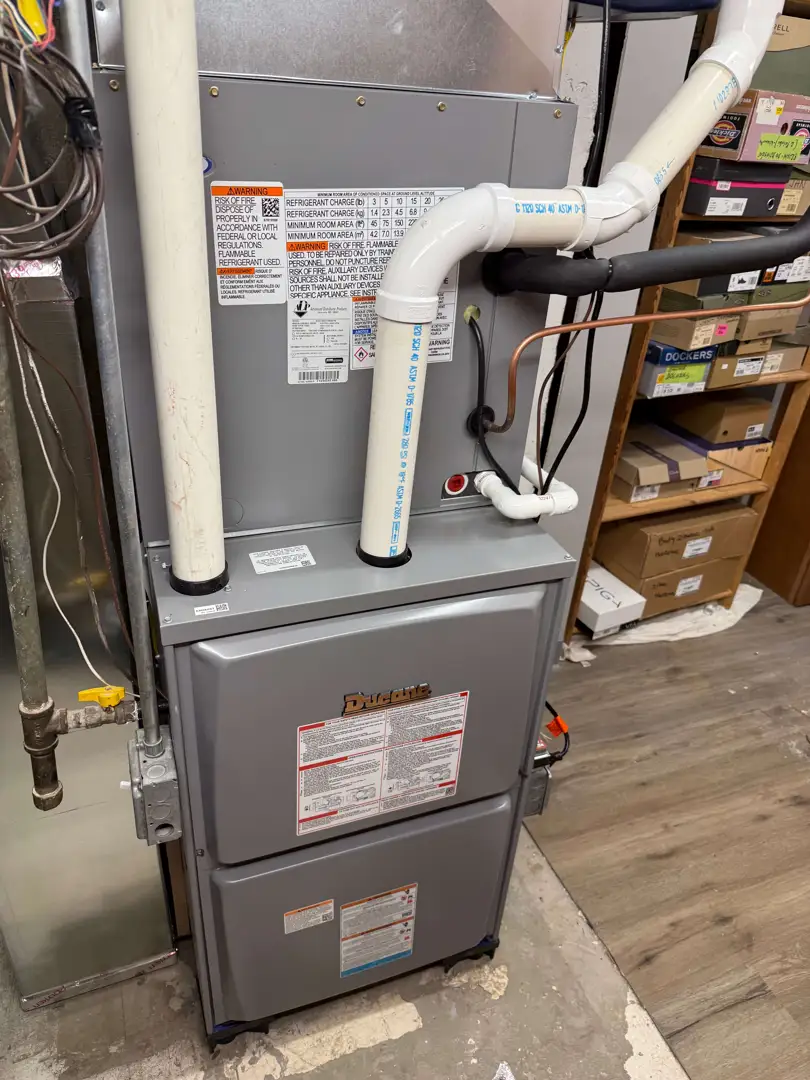
- Voided Warranties: Most major brands like Lennox or Ducane require professional service to keep the manufacturer’s warranty valid.
- Refrigerant Leaks: Handling AC refrigerant requires an EPA license because it is hazardous to both you and the environment.
Benefits of 24/7 Emergency Heating and Cooling Support
When you choose Peak Heating & Cooling, you aren’t just getting a repair; you’re getting peace of mind. Our 24/7 emergency service means we are available when you need us most—not just during “bankers’ hours.”
- Same-Day Furnace Repair: We prioritize emergency calls to get your heat back on as quickly as possible.
- Upfront Estimates: We believe in honesty and transparency, so you’ll know exactly what the repair entails.
- Expert Diagnosis: With over 20 years of experience in the Chicagoland area, we’ve seen (and fixed) it all.
You can find more info about our general services to see how we support homeowners throughout the year.
Preventing Future HVAC Emergencies with Regular Maintenance
The best way to handle an emergency heating and cooling crisis is to prevent it from happening in the first place. Most “sudden” failures are actually the result of long-term wear and tear that could have been spotted during a routine tune-up.
An annual inspection allows a technician to find cracked heat exchangers, worn-out capacitors, or fraying belts before they cause a total system shutdown.
Comparison: Emergency Repair vs. Preventive Maintenance
| Feature | Emergency Repair | Preventive Maintenance |
|---|---|---|
| Financial Impact | Often higher due to after-hours fees | Predictable annual maintenance |
| Timing | Happens at the worst possible time | Scheduled at your convenience |
| Stress Level | High—family is cold/hot and worried | Low—peace of mind |
| System Life | Shortens life due to strain | Extends life of the equipment |
| Efficiency | System often runs poorly before failing | Keeps energy bills as low as possible |
Seasonal Preparation for Chicagoland Weather
We recommend a “bi-annual” approach to maintenance:
- Fall Furnace Tune-Up: Before the first frost hits Glenview or Des Plaines, ensure your heating system is clean and safe.
- Spring AC Tune-Up: Before the humidity of a Skokie summer arrives, make sure your AC is ready to handle the load.
- Filter Changes: This is the #1 thing you can do yourself. Change your filters every 1–3 months to keep the air flowing freely.
Trusting a Locally Operated HVAC Contractor
As a family-owned and locally operated business with over 20 years of experience, we take pride in serving our neighbors in the North Shore and Northwest Suburbs. Whether you are in Northbrook, Park Ridge, or Niles, you deserve an honest HVAC company that stands behind its work. We offer a satisfaction guarantee and 0% financing on new installations because we believe everyone deserves a comfortable home.
Frequently Asked Questions about Emergency HVAC
What is considered an HVAC emergency?
An HVAC emergency is any situation that puts your home or health at risk. This includes a total loss of heat when outdoor temperatures are below freezing, a complete AC failure during a dangerous heatwave, or signs of immediate danger like the smell of gas, electrical smoke, or a carbon monoxide alarm sounding.
How can I get help with my heating bills or repairs?
Low-income households in Illinois can apply for LIHEAP (Low Income Home Energy Assistance Program) through their local community action agency. There are also programs like HEAP and the HERR benefit that specifically help with repairing or replacing broken furnaces for those who qualify.
Why shouldn’t I fix my own furnace or AC?
HVAC systems are complex and dangerous for untrained individuals. They involve high-voltage electricity, combustible gas, and specialized refrigerants. Attempting a DIY fix can lead to fire, gas leaks, carbon monoxide poisoning, or permanent damage to the unit that voids your warranty.
Conclusion
When the weather in Chicagoland turns extreme, your HVAC system is your home’s most important defense. A failure is stressful, but you don’t have to face it alone. Peak Heating & Cooling provides reliable emergency heating and cooling services across Glenview, Northbrook, Skokie, and the surrounding suburbs.
With 24/7 availability, same-day repairs, and 0% financing options for qualified customers on new Lennox or Ducane systems, we are here to ensure your family stays safe and comfortable all year long. Don’t sit in the cold or suffer in the heat—schedule your emergency service today.