Keeping your home comfortable all year round is a big deal, right? Whether it’s sweltering in the summer or freezing in the winter, your heating and cooling system, or HVAC, plays a huge role. But like any machine, it can run into problems. This is where expert HVAC repair services come in. They’re there to fix things when they go wrong, making sure you’re not left in the heat or the cold. We’ll talk about why these services are so important and what you need to know about them.
Key Takeaways
- Regular maintenance can prevent up to 95% of HVAC repairs, saving you money and hassle.
- DIY HVAC repairs can be dangerous due to electrical, gas, or refrigerant risks, and can also void warranties.
- Professional HVAC repair services offer expert diagnosis, safe repairs, and ensure systems meet safety codes.
- Seasonal inspections, like fall furnace tune-ups and spring AC tune-ups, are vital for preventing unexpected breakdowns.
- Choosing a reliable, licensed, and insured local HVAC contractor with 24/7 emergency support provides peace of mind and prompt service.
Understanding Common HVAC Repair Needs
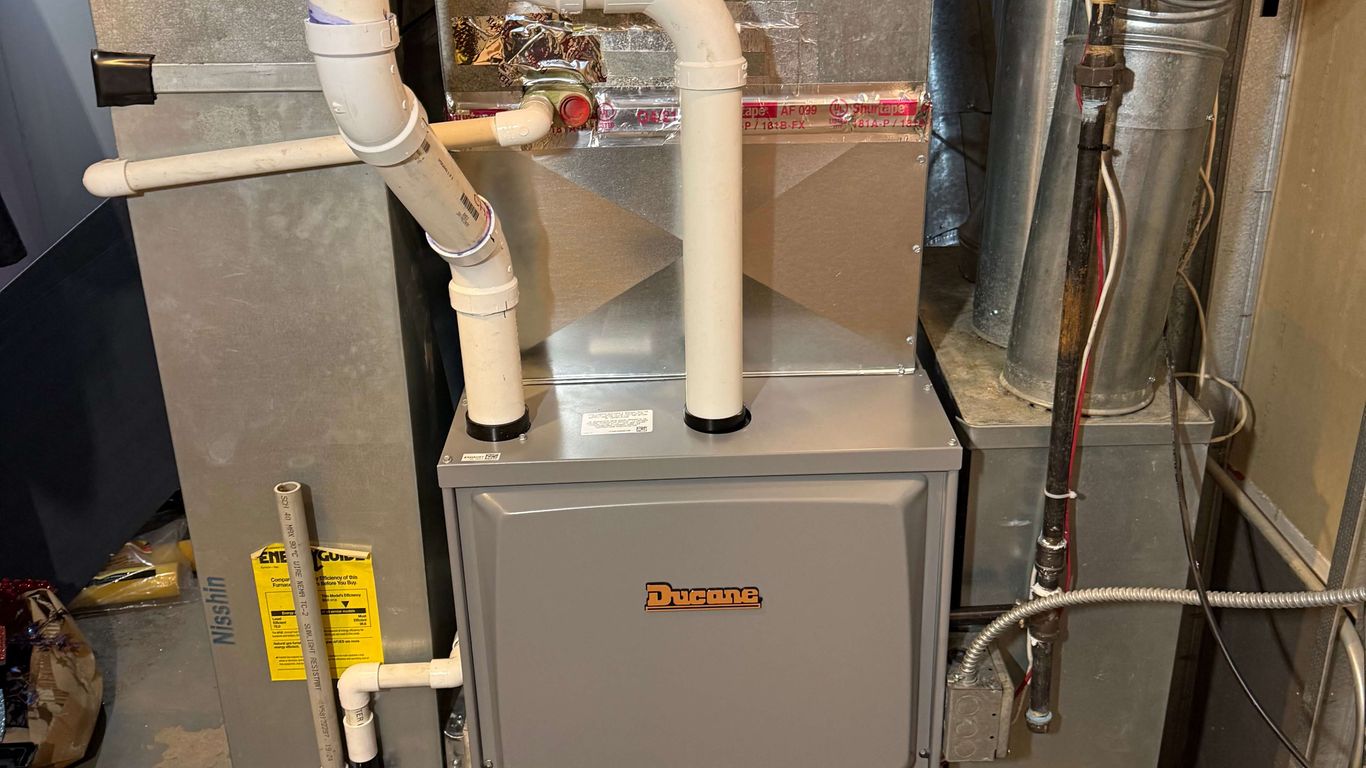
Your home’s heating, ventilation, and air conditioning (HVAC) system is a complex piece of machinery that works hard to keep you comfortable. Like any machine, it can run into problems. Recognizing the signs of trouble early can save you from a major breakdown and a much bigger headache down the road.
Recognizing Signs of Furnace Malfunction
Furnaces can be tricky. Sometimes they just stop working, but often, they give you clues that something isn’t right. Listen for unusual noises like banging, whistling, or grinding – these often point to mechanical issues. If your furnace is blowing cold air when it should be warm, or if it keeps cycling on and off rapidly (short cycling), it’s definitely signaling a problem. A pilot light that won’t stay lit on older models is another common issue. Sometimes, you might notice a strange smell, like burning or even rotten eggs (which could indicate a gas leak – a serious emergency). A sudden jump in your energy bill without any change in usage is also a big red flag; your system is likely working overtime to compensate for a hidden fault.
Identifying Air Conditioning and Heat Pump Issues
Air conditioners and heat pumps have their own set of warning signs. If your AC isn’t cooling your home effectively, or if the air coming from the vents feels lukewarm, it’s a clear indicator of a problem. You might also notice the unit freezing up, which can happen if refrigerant levels are low or airflow is restricted. Heat pumps, which handle both heating and cooling, can struggle to switch between modes, especially as the seasons change. Icing over, even in summer, is a sign that something is wrong. A thermostat that suddenly stops responding can also be a symptom of a larger communication issue within the system. These electrical problems can be tricky to diagnose. Common HVAC issues often involve electrical faults that need professional attention.
The Importance of Prompt Repairs
When you notice any of these symptoms, it’s really important not to put off repairs. Ignoring a small issue can lead to much larger, more expensive problems. For example, a struggling AC unit might put excessive strain on its compressor, eventually leading to a complete failure. Similarly, a furnace issue that isn’t addressed could lead to a dangerous situation like a carbon monoxide leak. Prompt repairs not only restore your comfort but also prevent further damage to the system, potentially saving you money in the long run and avoiding a costly replacement. Getting expert air conditioning repair quickly can make a big difference.
Addressing HVAC problems as soon as they arise is key to maintaining a comfortable and safe home environment. Small issues, if left unattended, can escalate into major system failures, leading to significant repair costs and potential safety hazards. Prompt professional intervention ensures your system operates efficiently and reliably, preventing discomfort and protecting your investment.
The Value of Professional HVAC Repair Services
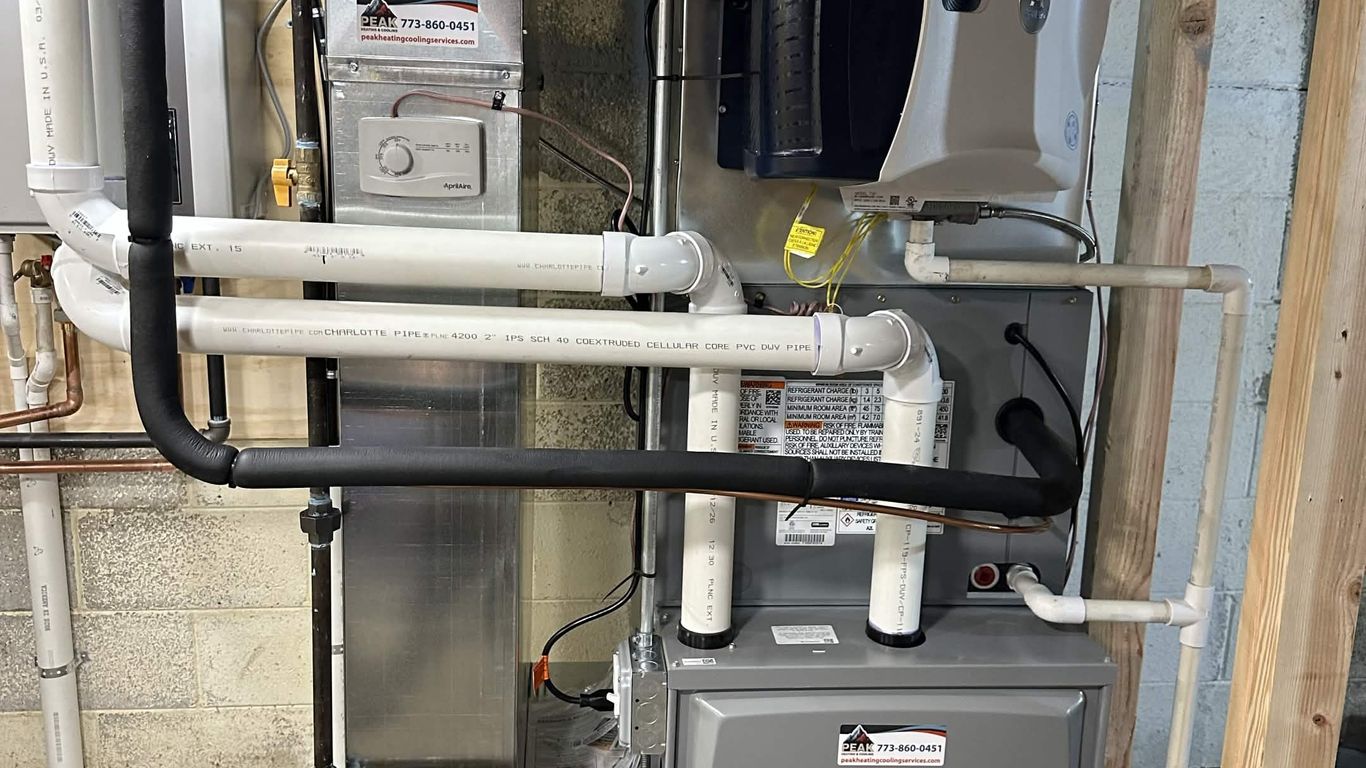
When your heating or cooling system decides to take an unexpected vacation, especially during a heatwave or a blizzard, it’s easy to panic. The first thought might be to grab a wrench and a YouTube tutorial, but let’s be real – these systems are complicated. Messing with high-voltage electricity, natural gas, or pressurized refrigerants without the right knowledge is a recipe for disaster, not a DIY success story.
Why DIY HVAC Repairs Can Be Dangerous
Trying to fix your own furnace or air conditioner can lead to some serious problems. For starters, you could accidentally create a carbon monoxide leak if you don’t seal things up right. Then there’s the risk of electric shock from the 220-volt circuits these units use – that’s no joke. Plus, most manufacturers require professional service to keep your warranty intact. If you mess up, you could void that warranty and end up paying way more down the line. Handling refrigerants also requires a special license because they’re hazardous to you and the environment. It’s just not worth the risk when you consider the potential dangers.
Benefits of Hiring Licensed and Insured Technicians
This is where the pros come in. Licensed and insured technicians have the training and tools to figure out what’s really going on without making things worse. They know how to handle all the tricky parts safely and make sure the repair meets all the local building codes. It’s not just about patching a problem; it’s about fixing it correctly the first time and making sure your system is safe and running efficiently. Think of it as getting a second opinion from someone who actually knows what they’re talking about, saving you stress and potential future headaches. For more details on why professional help matters, see more info about our HVAC contractor services.
Expert Diagnosis for Complex Systems
Modern HVAC systems are pretty advanced. They have intricate control boards, sensors, and components that work together. A seasoned technician can spot subtle issues that a homeowner would likely miss. They can perform detailed system inspections, checking for things like hairline cracks in heat exchangers or frayed wires that could lead to a bigger breakdown later. They also know how to clean components properly, which is key for efficiency. Dust is the enemy of your system; it makes it work harder and can even be a fire hazard. Professionals ensure everything is clean, tight, and tested, keeping your system running smoothly and preventing those dreaded emergency calls.
Preventing Future HVAC Emergencies with Maintenance
You know, it’s easy to forget about your heating and cooling system until it decides to throw a fit. But honestly, most of those emergency calls could be avoided with a little bit of regular attention. Think of it like taking your car in for oil changes – you do it to keep things running smoothly and to catch small problems before they turn into big, expensive ones. Your HVAC system works hard, especially here in the Midwest, going through intense cycles of heating and cooling. This constant work takes a toll.
The Role of Seasonal Inspections
Scheduling a check-up for your furnace before winter really bites, or getting your air conditioner looked at before the summer heat hits, is probably the smartest move you can make. During these visits, a technician isn’t just giving it a once-over. They’re looking for specific things that could cause trouble down the line. This includes checking for things like cracks in the heat exchanger, which is a serious safety concern, or looking at electrical connections that might be loose. It’s about catching those potential issues when they’re small and manageable.
- Safety Checks: Ensuring no dangerous gases like carbon monoxide are leaking.
- Component Wear: Identifying parts that are getting old and might fail soon.
- Efficiency Tuning: Cleaning out dust and debris that makes the system work harder.
- Refrigerant Levels: Making sure your AC has the right amount of coolant to work effectively.
Regular maintenance is often the difference between a system that lasts for years and one that quits unexpectedly. It’s a proactive approach to home comfort.
Reducing Unexpected Breakdowns Through Regular Care
When you skip maintenance, you’re basically rolling the dice. A system that’s not regularly cared for is much more likely to break down when you need it most – like on the coldest night of the year. This isn’t just inconvenient; it can be dangerous and costly. A neglected system often uses more energy, leading to higher utility bills, and its lifespan gets cut short. It’s a cycle of problems that maintenance helps to break.
| Feature | Regularly Maintained System | Neglected HVAC System |
|---|---|---|
| Emergency Risk | Very Low | High |
| Energy Bills | Optimized & Lower | 15-25% Higher |
| Lifespan | 15-20 Years | 8-12 Years |
| Air Quality | Clean & Filtered | Dust & Allergen Heavy |
DIY Tasks for Homeowners Between Visits
While you definitely want professionals handling the technical stuff, there are a few simple things you can do yourself to help keep your system in good shape. The biggest one? Changing your air filters. Seriously, this is so important. A clogged filter makes your system work way harder than it needs to, and it can lead to bigger problems. It’s also a good idea to keep the area around your outdoor AC unit clear of leaves and debris, and make sure nothing is blocking your vents inside the house. These small actions can make a real difference between tune-ups. You can find new air conditioner filters at most hardware stores.
- Change Air Filters: Check them monthly and replace every 1-3 months. This is the number one thing you can do.
- Clear Vents: Make sure furniture or curtains aren’t blocking airflow from your vents.
- Keep Area Clear: Ensure the space around your furnace and outdoor unit is free of clutter and debris.
Choosing a Reliable HVAC Contractor
When your furnace decides to quit on the coldest night of the year or your air conditioner starts blowing warm air during a heatwave, you don’t want to be scrambling to find someone to fix it. Picking the right HVAC contractor before you have an emergency is a smart move. It’s not just about finding the cheapest option; it’s about finding someone you can trust to do the job right, safely, and efficiently. A good contractor will be your partner in keeping your home comfortable all year long.
Local Expertise and Community Trust
Sure, you can find national companies that operate everywhere, but there’s something to be said for a local business. They understand the specific weather patterns of our area – like those brutal Midwestern winters and sticky summer humidity – and how that affects your HVAC system. They’re more likely to be invested in the community, meaning their reputation matters a lot. Look for companies that have been around for a while, have good reviews from your neighbors, and are known for honest work. It’s also a good sign if they serve your specific town or neighborhood, as they’ll be more familiar with the common issues that pop up around here. Finding a company with 20+ years of experience in the area can give you a lot of confidence.
Understanding Service Guarantees and Certifications
When you’re letting someone into your home to work on a complex system like your HVAC, you want to know they’re qualified. Ask about their certifications. NATE certification, for example, is a big deal in the industry and shows that technicians have passed rigorous tests. Also, check their insurance and licensing – this protects you and your property. A reputable company will also stand behind their work. Ask about their service guarantees or warranties on parts and labor. This shows they’re confident in their repairs and are willing to make things right if a problem pops up again soon. It’s also worth asking if they provide upfront pricing. Nobody likes surprises on their bill, so knowing the cost before the work begins is a huge plus.
The Benefits of 24/7 Emergency Support
HVAC systems don’t follow a 9-to-5 schedule. Breakdowns happen at the worst possible times – late at night, on weekends, or during holidays. That’s where 24/7 emergency support comes in. Having a contractor who offers round-the-clock service means you won’t have to spend a freezing night without heat or a sweltering day without air conditioning. They’ll be there when you need them most, often with fully stocked vans ready to tackle common issues on the spot. This kind of availability provides real peace of mind, knowing that help is just a phone call away, no matter when the emergency strikes. It’s about getting your home back to a safe and comfortable temperature quickly, without the added stress of waiting for business hours.
When choosing a contractor, don’t just look at the price tag. Consider their experience, certifications, guarantees, and emergency availability. A little research upfront can save you a lot of headaches and money down the road.
Here’s a quick checklist to help you evaluate potential contractors:
- Licensing and Insurance: Are they properly licensed and insured in your state?
- Certifications: Do their technicians hold industry-recognized certifications like NATE?
- Experience: How long have they been serving your local area?
- Reputation: What do online reviews and local word-of-mouth say about them?
- Guarantees: What kind of warranty do they offer on their work and parts?
- Emergency Services: Do they offer 24/7 support for urgent situations?
- Upfront Pricing: Will they provide a clear estimate before starting the work?
Taking the time to find a reliable HVAC contractor is an investment in your home’s comfort and your family’s well-being. A thorough inspection process, like the one described for system assessment, is a good indicator of a contractor’s attention to detail.
Core Components of Heating and Cooling Care
Keeping your home comfortable all year round really boils down to taking care of the main parts of your heating and cooling system. It’s not just about fixing things when they break, but about regular check-ups and cleaning to make sure everything runs smoothly. Think of it like taking your car in for oil changes and tire rotations – it prevents bigger, more expensive problems down the road.
Furnace and Boiler Maintenance Essentials
Your furnace or boiler works hard, especially during those cold Illinois winters. Regular maintenance is key. This involves cleaning the burners so they ignite properly and checking the ignition system. A big one is making sure there are no carbon monoxide leaks, which is super important for safety. If your furnace is acting up, getting it checked out quickly can save you from a major breakdown. A clean system uses less energy, which is good for your wallet too.
Air Conditioner Tune-Up Requirements
When summer hits, your air conditioner becomes your best friend. To keep it working its best, we need to clean the outdoor condenser coils. These can get pretty dirty from leaves and debris. We also check the refrigerant levels, which can change over time, and make sure the drain line for condensation isn’t clogged. A clogged drain can lead to water damage, so keeping it clear is a simple but necessary step. Getting your AC tuned up before the heat really kicks in means it’s ready to go when you need it most.
Heat Pump System Specifics
Heat pumps are a bit different because they handle both heating and cooling. This means they get used year-round, so they need attention twice a year. We check the reversing valve, which is what switches the system between heating and cooling modes. We also look at the defrost cycles to make sure it’s not freezing up when it’s supposed to be heating. Because they work so hard, keeping them in good shape is vital for consistent comfort.
Thermostat Calibration for Optimal Performance
Your thermostat is the brain of your whole system. If it’s not calibrated correctly, it can cause all sorts of issues. Even being off by a couple of degrees can make your system run way more than it needs to. This wastes energy and puts extra wear and tear on your furnace or AC. We make sure your thermostat, whether it’s a simple one or a fancy smart model, is talking to your HVAC unit properly so everything works together efficiently. This helps keep your home at the right temperature without running up your energy bills.
Regular maintenance isn’t just about preventing breakdowns; it’s about ensuring your system operates at peak efficiency, saving you money on energy costs and extending the overall lifespan of your equipment. It’s a proactive approach to home comfort that pays off in the long run.
The Impact of Climate on Your HVAC System
Living in a place with distinct seasons means your heating and cooling system works overtime. Here in the Midwest, we see some pretty extreme weather, and that really puts a strain on your HVAC equipment. Think about it: your furnace is battling sub-zero temperatures for months, and then your air conditioner has to fight off sticky, humid summer days. This constant back-and-forth is tough on the machinery.
Preparing for Harsh Midwestern Winters
When winter hits hard, your furnace or heat pump is your best friend. But if it’s not in top shape, you’re in for a rough time. We often see systems struggling when the temperature drops significantly. This is when things like cracked heat exchangers or failing ignitions become serious problems. A well-maintained heating system is key to staying safe and warm when the snow is flying. It’s not just about comfort; it’s about preventing dangerous situations like carbon monoxide leaks or frozen pipes that can cause major water damage.
Managing Humid Summers with AC Systems
Summer is no picnic for your air conditioner either, especially with all the humidity we get. Your AC doesn’t just cool the air; it also has to pull moisture out of it. When it’s really humid, your AC has to work much harder to keep your home feeling comfortable. This extra effort can lead to issues like coil corrosion or even mold growth inside your system if not properly managed. Choosing the right ENERGY STAR certified air conditioners can help with efficiency, but regular maintenance is still a must.
How Local Weather Affects System Lifespan
All this extreme weather really does shorten the life of your HVAC system if you’re not careful. A system that’s constantly running hard in the winter cold or summer heat will wear out faster than one that’s regularly serviced. Neglected systems might only last 8 to 12 years, while a well-cared-for unit could easily go 15 to 20 years or more. It’s a big investment, and the climate we live in makes taking care of it even more important. For homes in areas like Deerfield, where humidity is a big factor, understanding your AC unit options and their specific needs is vital for longevity.
The weather outside can really mess with your home’s heating and cooling system. When it’s super hot or freezing cold, your HVAC has to work extra hard. This means it might break down more often and use more energy, costing you money. Taking care of your system, especially during extreme weather, is super important. Want to learn how to keep your HVAC running smoothly all year long? Visit our website for tips and services!
Keeping Your Home Comfortable, Year After Year
So, that’s the lowdown on why taking care of your heating and cooling system really matters. It’s not just about avoiding a chilly night or a sweaty afternoon; it’s about keeping your home running smoothly and saving yourself some headaches down the road. Regular check-ups might seem like just another thing on the to-do list, but they really do make a big difference. Think of it as giving your HVAC system a little TLC so it can keep you and your family comfortable, no matter what the weather decides to do outside. When things do go wrong, though, knowing who to call makes all the difference. Having a reliable team ready to jump in can turn a stressful breakdown into a quick fix, getting your home back to normal in no time.
Frequently Asked Questions
How often should I get my heating and cooling system checked by a professional?
It’s a good idea to have your heating system checked once a year before winter and your air conditioner checked before summer. This helps catch small problems before they become big, costly ones. For systems that work year-round, like heat pumps, checking them twice a year (spring and fall) is even better.
What are the signs that my furnace or AC needs immediate repair?
Watch out for strange noises like banging or squealing, if your furnace is blowing cold air, or if your AC isn’t cooling your home effectively. Also, if your system turns on and off very quickly (short cycling) or your energy bills suddenly jump up, it’s time to call for help.
Can I fix my HVAC system myself to save money?
While it’s tempting, fixing HVAC systems yourself can be dangerous. These systems involve electricity, gas, and pressurized parts. Mistakes can lead to safety hazards like gas leaks or electrical shocks, and can also void your system’s warranty. It’s usually safer and more cost-effective in the long run to hire a trained professional.
What’s the difference between emergency repair and regular maintenance?
Regular maintenance is like a check-up for your system, done on a schedule to prevent problems. Emergency repair is when something breaks unexpectedly, often in bad weather, and needs immediate attention to restore comfort and safety.
How long do HVAC systems usually last?
Most heating and cooling systems are built to last about 10 to 15 years. However, how well they are maintained plays a huge role. A system that gets regular check-ups and cleaning can often last longer and run more efficiently than one that’s neglected.
What simple things can I do to help my HVAC system between professional visits?
The most important thing is to change your air filter regularly, usually every 1 to 3 months. Also, make sure the area around your outdoor AC unit and indoor furnace is clear of clutter, snow, or leaves to allow for good airflow. Keeping vents clear of furniture is also helpful.