
Finding the right HVAC contractor can feel like a big task. You want someone you can trust to keep your home comfortable, whether it’s sweltering hot or freezing cold outside. This guide is here to help you sort through the options and make sure you hire a pro who knows their stuff. We’ll cover when to call for help, what to look for in a new system, and why regular check-ups are a smart move. Let’s get your home’s heating and cooling in good hands.
Key Takeaways
- Know the signs your HVAC system needs attention, like strange noises or rising energy bills. Sometimes, an older unit is better off replaced than constantly repaired.
- Proper installation is key. A professional HVAC contractor will perform load calculations to ensure your new system is the right size for your home, saving you money and hassle.
- Look for licensed and insured contractors with good local reviews and plenty of experience. Don’t hesitate to ask questions about their qualifications and pricing.
- Regular maintenance by a qualified HVAC contractor can prevent costly breakdowns and extend the life of your system. Think of it as preventative care for your home’s comfort.
- A professional HVAC contractor ensures your system is installed safely, meets all codes, and keeps your manufacturer’s warranty valid.
Understanding When To Call An HVAC Contractor
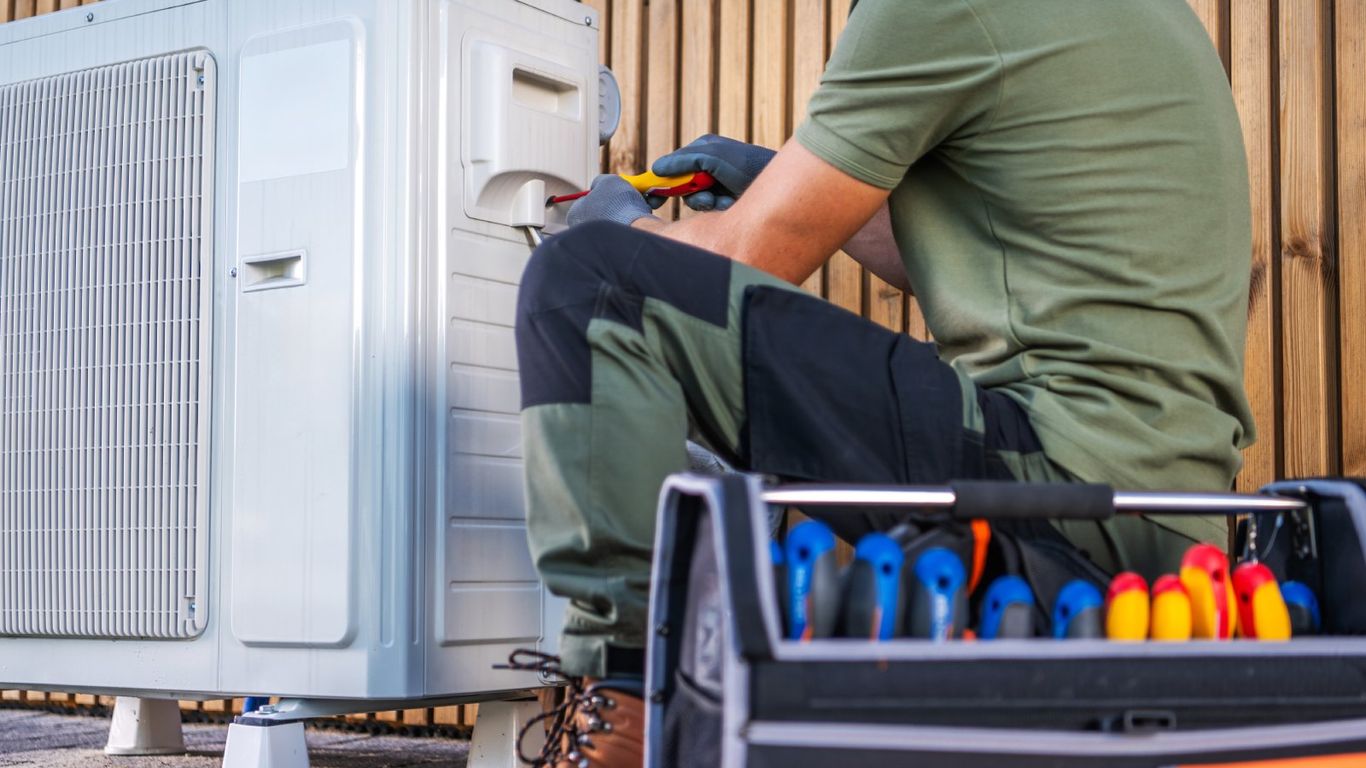
Okay, so your heating and cooling system is making some weird noises, or maybe it just stopped working altogether. It happens. Figuring out if it’s a quick fix or a full-blown emergency can be tricky, but knowing the signs is half the battle. You don’t want to wait until you’re freezing in January or sweating buckets in July to realize something’s wrong.
Recognizing Signs of System Failure
Your HVAC system usually gives you some hints before it completely gives up the ghost. Paying attention to these signals can save you a lot of hassle and money down the road. Ignoring these early warnings is a common mistake homeowners make.
Here are some common things to watch out for:
- Uneven Temperatures: If one room feels like a tropical rainforest while another is an arctic tundra, your system is struggling. This could be due to ductwork issues or a failing blower motor.
- Strange Noises: Banging, grinding, whistling, or squealing sounds are never good. They often mean a mechanical part is worn out or about to break.
- Rising Energy Bills: If your utility bill suddenly jumps without a change in weather or your habits, your system is likely working overtime to compensate for a hidden problem.
- Poor Indoor Air Quality: More dust than usual, musty smells, or increased allergy symptoms can indicate your air filter is clogged or there’s an issue with airflow.
- System Short Cycling: This is when your furnace or AC turns on and off rapidly, every few minutes. It puts a lot of stress on the system and usually points to a sensor or airflow problem.
- Thermostat Troubles: If your thermostat isn’t responding, showing errors, or seems to be set incorrectly, it might be the culprit or a symptom of a larger issue.
The "Repair-to-Age" Rule
Most HVAC systems are built to last about 10 to 15 years. Of course, this can vary based on how well it’s been maintained and the quality of the original installation. But as your system gets older, the likelihood of needing more frequent and expensive repairs goes up. A good rule of thumb is the "50% rule": if a single repair costs more than half the price of a new system, it’s probably time to start thinking about replacement. Constantly shelling out cash for an aging unit is like throwing money into a hole. It’s often more cost-effective in the long run to invest in a new, more efficient system. You can get an honest assessment of your system’s health from a qualified HVAC contractor.
When Replacement Becomes the Smarter Choice
Sometimes, even with regular maintenance, an older system just can’t keep up. Major component failures, like a cracked heat exchanger or a failing compressor, can be incredibly expensive to fix on an older unit. Not only that, but older systems are often much less energy-efficient than newer models. Replacing an old, inefficient system can lead to significant savings on your energy bills over time. Plus, you get the peace of mind that comes with a new warranty and a system that’s designed to perform reliably for years to come. It’s not just about fixing what’s broken; it’s about making a smart investment in your home’s comfort and efficiency.
When your HVAC system starts showing multiple signs of distress, especially if it’s an older unit, it’s wise to get a professional opinion. They can help you weigh the costs of repair against the benefits of a new installation, considering factors like energy efficiency and long-term reliability. Don’t wait for a complete breakdown in the middle of a heatwave or cold snap.
Key Considerations For HVAC System Installation
So, you’ve decided it’s time for a new HVAC system. That’s a big step, and honestly, it can feel a little overwhelming with all the technical stuff out there. But don’t sweat it. Getting this right from the start is super important for your comfort and your wallet down the road. Let’s break down what you really need to think about before the installation crew even shows up.
The Importance of Professional Load Calculations
Forget just looking at the square footage of your house. That’s like guessing how much gas your car needs based only on its color. A proper load calculation, often called a Manual J calculation, is way more detailed. It looks at things like how much insulation you have in your attic and walls, the number and type of windows, how high your ceilings are, and even which direction your house faces. This detailed assessment ensures your new system is perfectly sized – not too big, not too small – to handle your home’s specific heating and cooling needs. An oversized unit will cycle on and off too quickly, which wears out parts and doesn’t dehumidify well. Too small, and it’ll run constantly without ever really getting comfortable. Getting this calculation done by a pro is the first real step to a system that runs efficiently and quietly.
Choosing the Right System Size and Type
Once the load calculation is done, you’ll have a clearer picture of the heating and cooling power (measured in BTUs) your home needs. Now, what kind of system is best? There are a few main types:
- Central Air Conditioners and Furnaces: These are the classic choices for homes with existing ductwork. They provide consistent comfort throughout the entire house.
- Heat Pumps: These are great for homeowners looking to be more energy-conscious. They can both heat and cool your home, making them a versatile option.
- Ductless Mini-Split Systems: Perfect for additions, older homes without ducts, or if you want really specific temperature control in certain rooms. They offer zoned comfort and are often very efficient.
Your contractor will help you weigh the pros and cons of each based on your home’s structure, your budget, and your climate. For instance, a dual-fuel system, which combines a heat pump with a gas furnace, can be a smart move in areas with really cold winters.
Understanding Efficiency Ratings (SEER2 and AFUE)
Efficiency ratings are basically how much energy your system uses to do its job. You’ll see a couple of key ones:
- SEER2 (Seasonal Energy Efficiency Ratio 2): This measures how well your air conditioner or heat pump cools. Higher SEER2 numbers mean better cooling efficiency, which translates to lower electricity bills in the summer. Since April 2026, new standards mean modern units are generally much more efficient than older ones.
- AFUE (Annual Fuel Utilization Efficiency): This applies to furnaces and measures how efficiently they convert fuel (like natural gas) into heat. An AFUE of 95% means that 95% of the fuel’s energy goes into heating your home, and only 5% is lost through exhaust. High-efficiency furnaces can save you a good chunk of money on heating costs, especially during those harsh Illinois winters.
Picking a system with good efficiency ratings might cost a bit more upfront, but the savings on your energy bills over the years usually make it a worthwhile investment. Plus, many high-efficiency models can qualify for tax credits or local rebates, which can help offset that initial cost.
Making informed decisions about load calculations, system types, and efficiency ratings will set you up for a comfortable and cost-effective home environment for years to come. It’s all about getting the right equipment, sized correctly, for your specific home. Professional installation by a licensed HVAC contractor is key to making sure all these considerations come together properly.
The Professional HVAC Installation Process
So, you’ve picked out the perfect new HVAC system for your home. That’s great! But the job isn’t done yet. The actual installation is where all the magic happens, and honestly, it’s a pretty involved process. It’s not just about hooking up a few wires and calling it a day. A proper installation is super important for making sure your new system runs smoothly, efficiently, and lasts for a long time. Think of it like building a house – the foundation has to be solid, right? This is kind of the same idea for your home’s comfort.
Site Preparation and Safety Checks
Before any new equipment even comes through the door, the pros get to work preparing the space. This means protecting your floors with drop cloths – nobody wants new system dust all over their nice carpets. They’ll also clear out the work area so they have plenty of room to move around safely. And, of course, they’ll shut off the main power and gas lines to your old system. This is a big safety step. They’ll also handle getting any necessary permits from your local town or city. It sounds like a lot, but it’s all about making sure everything is done right and safely from the get-go.
Proper Removal of Existing Equipment
Getting rid of the old unit isn’t just about hauling it out to the curb. There are specific rules about how to handle the refrigerant that’s inside your old air conditioner or heat pump. Professionals have to recover it properly so it doesn’t escape into the environment. Then, they’ll carefully disconnect all the lines – gas, electrical, and venting – before taking the old furnace and AC away for good. It’s a careful process to make sure nothing is left behind that could cause problems.
Connecting Lines and Electrical Wiring
This is where things get technical. New copper lines are run between the indoor and outdoor units for the refrigerant. A special vacuum pump is used to get all the air and moisture out of these lines. This is a really big deal because any moisture in there can seriously damage the compressor down the road. Then comes the electrical part. They’ll connect the new system to your home’s electrical panel, making sure the circuit is sized just right for the new equipment. Safety shut-offs are also installed, which is a smart move.
System Testing and Calibration
Once everything is hooked up, the job isn’t finished. The technicians don’t just turn it on and leave. They’ll test everything thoroughly. This includes balancing the airflow so that every room gets the right amount of heated or cooled air. For gas furnaces, they’ll do a combustion analysis to make sure it’s venting safely. Finally, they’ll do a walkthrough with you, explaining how to use your new thermostat and giving you tips on how to keep your new system running well. It’s all about making sure you’re comfortable and know how to operate your new setup.
A properly installed HVAC system can make a noticeable difference in your home’s energy efficiency, sometimes improving it by as much as 30%. This means lower utility bills and a more comfortable living space year-round. Cutting corners during installation is a sure way to end up with higher costs and more problems down the line.
Here’s a quick look at the typical steps involved:
- Load Calculation: Determining the exact heating and cooling needs of your home.
- Site Prep: Protecting your home and ensuring a safe work environment.
- Old Unit Removal: Safely disconnecting and disposing of the existing system.
- New Unit Installation: Placing and securing the indoor and outdoor components.
- Connections: Hooking up refrigerant lines, electrical wiring, and gas lines.
- Testing & Calibration: Verifying proper operation, airflow, and safety.
- Homeowner Walkthrough: Explaining system operation and maintenance.
Getting this process right is key to protecting your investment and enjoying consistent comfort. For more details on what goes into a professional setup, you can check out this guide on HVAC installation.
Why Professional Expertise Is Crucial For Your HVAC System
When it comes to your home’s heating and cooling, it’s easy to think a quick fix is all you need. Maybe you saw a video online, or your neighbor said they handled it themselves. But let’s be real, HVAC systems are complicated. They involve high-voltage electricity, natural gas lines, and pressurized refrigerants. Messing with these without the right training can be seriously dangerous.
Maintaining Manufacturer Warranties
One of the biggest reasons to call a pro is to keep your equipment’s warranty in good shape. Most manufacturers, like Lennox and Ducane, require that their systems be installed by licensed technicians. If something goes wrong down the line and your system wasn’t installed professionally, you could be on the hook for expensive repairs that would have otherwise been covered. It’s a simple way to protect your investment for years to come.
Ensuring Safety and Code Compliance
Your local building codes are there for a reason – mostly to keep you safe. Improperly installed furnaces can leak dangerous carbon monoxide into your home, and faulty wiring is a major fire hazard. A qualified HVAC contractor knows all the local rules and regulations. They make sure the job is done right the first time, passing any necessary inspections and keeping your family safe. It’s not just about comfort; it’s about preventing serious risks.
The Difference Between a Handyman and a Professional
It might seem like a handyman can handle any job, but HVAC work is a specialized field. A handyman might be great for fixing a leaky faucet, but they likely don’t have the specific tools, certifications, or ongoing training that a professional HVAC technician does. Professionals have the knowledge to properly diagnose complex issues, handle refrigerants safely, and ensure your system runs efficiently and safely. Hiring a licensed and insured HVAC contractor means you’re getting someone who is accountable and qualified to work on your home’s critical systems. For more on what to look for, consider vetting local licensed contractors.
Attempting DIY repairs on your HVAC system can lead to more problems than it solves. You risk voiding warranties, creating safety hazards like gas leaks or electrical shocks, and potentially causing more damage that leads to higher repair costs later on. It’s always better to trust the job to trained professionals who have the right equipment and knowledge.
Finding A Reliable HVAC Contractor
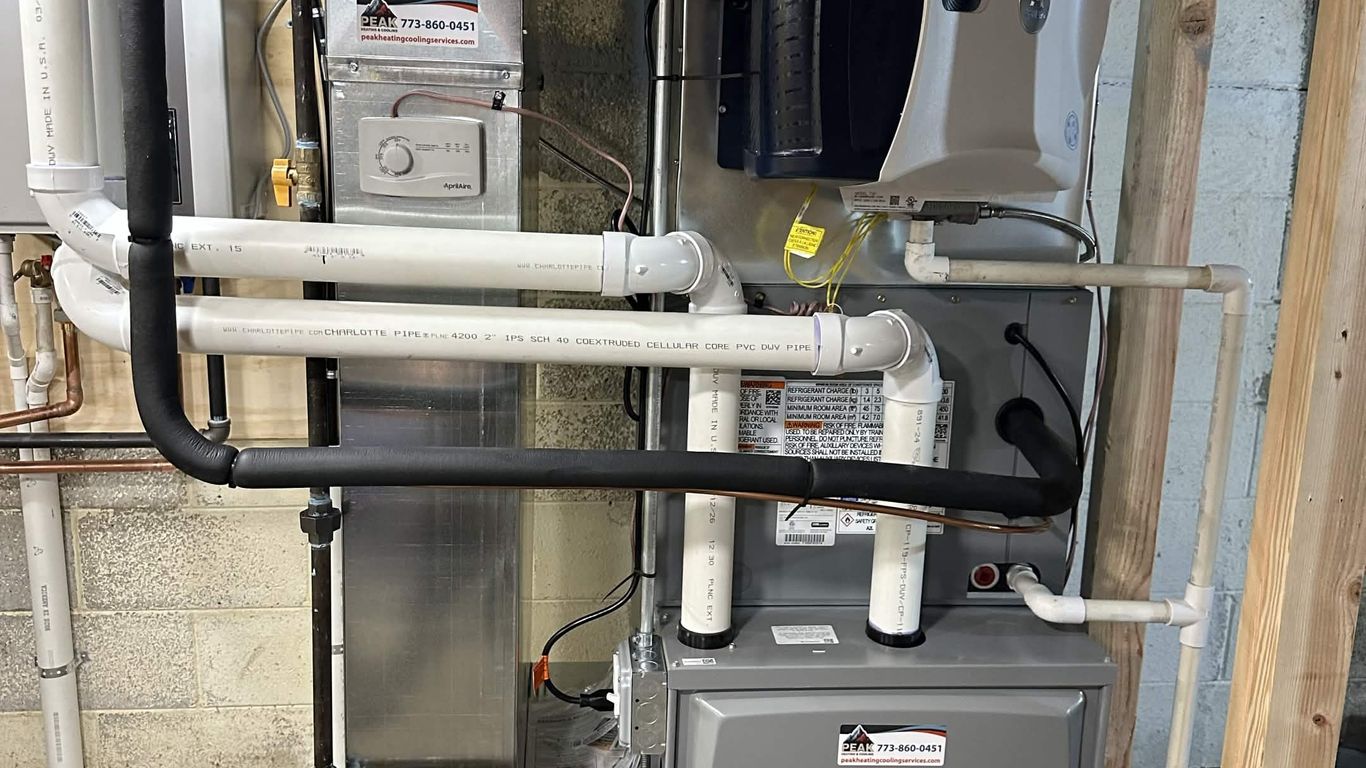
So, your HVAC system is acting up, or maybe you’re looking to get a new one installed. The big question is, who do you call? It’s easy to get overwhelmed with all the options out there. You want someone good, someone honest, and someone who won’t break the bank. The key is doing a little homework before you pick up the phone.
Vetting Local Licensed Contractors
When you’re looking for someone to work on your home’s heating and cooling, sticking with local, licensed professionals is usually the smartest move. Why? Well, they understand the specific climate challenges we face here, from those brutal winters to sticky summers. Plus, local guys often have a reputation to uphold in the community. You can usually find them by checking online reviews, asking neighbors for recommendations, or looking at local business directories. Make sure they’re properly licensed and insured – this isn’t just a formality; it protects you if something goes wrong.
Understanding Local Reputation and Experience
Don’t just go with the first name you see. Take a few minutes to see what other people in your area are saying. A company with a solid track record and plenty of positive feedback usually means they’re doing something right. Look for contractors who have been in business for a while, especially in your specific town or neighborhood. Experience matters, particularly when it comes to diagnosing tricky problems or installing complex systems. You can often find this information on their website, through online reviews, or even by asking them directly about their history in the area. A contractor with 20+ years of experience in the Chicagoland area, for instance, has likely seen and fixed just about everything.
Questions To Ask Before Hiring An HVAC Contractor
Before you commit to hiring anyone, have a list of questions ready. This helps you gauge their professionalism and ensures you’re on the same page. Here are some important things to ask:
- Are you licensed and insured? This is non-negotiable.
- Do you provide free estimates? You should know the cost upfront.
- What is your availability for emergency service, and what are your rates for after-hours calls? Breakdowns don’t always happen during business hours.
- Do you offer a warranty on parts and labor? This shows they stand behind their work.
- How long have you been in business, and do you have references or online reviews I can check?
- Will the same technician who diagnoses the problem also perform the repair? Consistency can be helpful.
- Do you offer financing options? Sometimes a new system is a big purchase.
It’s easy to feel pressured when your AC dies on the hottest day of the year, but taking a moment to ask these questions can save you a lot of headaches and money down the line. A good contractor will be happy to answer them clearly and patiently. If they seem hesitant or evasive, it might be a sign to look elsewhere.
Remember, finding the right HVAC contractor is about more than just fixing a problem; it’s about finding a trusted partner for your home’s comfort and safety.
The Value of Regular HVAC Maintenance
Think of your HVAC system like your car. You wouldn’t drive it for years without an oil change or tire rotation, right? Your heating and cooling system needs that same kind of attention to keep running smoothly. Skipping regular check-ups is a fast track to bigger problems and higher bills down the road.
Preventing Future HVAC Emergencies
Most HVAC repairs, the kind that happen at 2 AM on the coldest night of the year, could have been avoided. Seriously. Regular maintenance is like a detective for your system, spotting tiny issues before they blow up into major breakdowns. We’re talking about things like worn-out parts, loose connections, or even small cracks in critical components that could become serious safety hazards. Catching these early saves you a massive headache and a potentially huge repair bill.
The Benefits of Seasonal Inspections
It makes sense to get your system looked at before you really need it. That means a check-up in the fall for your furnace and another in the spring for your air conditioner. During these visits, a pro will:
- Clean out dust and grime that build up on coils and burners.
- Lubricate moving parts so they don’t wear out as fast.
- Check electrical connections to make sure everything is safe and secure.
- Test refrigerant levels in your AC to make sure it’s cooling efficiently.
- Inspect the heat exchanger for any cracks, which is a big safety concern.
These inspections are also a good time to ask about your system’s history and any quirks you’ve noticed. It helps the technician get a clearer picture of what’s going on.
Understanding Maintenance Plans and Memberships
Lots of homeowners find that signing up for a maintenance plan makes life easier. These plans usually include those seasonal tune-ups, often at a discounted rate. Plus, you usually get priority scheduling, meaning if your AC dies on the hottest day of summer, you’re at the front of the line. It’s kind of like an insurance policy for your home comfort, giving you peace of mind that your system is being looked after.
Neglecting your HVAC system means it has to work harder to do its job. This extra effort uses more energy, leading to higher utility bills. It also puts more strain on the components, shortening the overall lifespan of your equipment and making it more likely to fail when you need it most.
For a general overview of HVAC efficiency standards, see the U.S. Department of Energy HVAC guide.
Keeping your heating and cooling system in good shape is super important. Regular check-ups can help prevent big problems down the road, saving you money and keeping your home comfy all year. Don’t wait for a breakdown to happen! Visit our website today to learn more about our maintenance plans and schedule your next service.
Wrapping It Up
So, finding the right HVAC contractor might seem like a big task, but it’s totally worth the effort. Taking the time to do your homework, ask the right questions, and get a few quotes means you’ll end up with a reliable pro who won’t leave you in the cold (or the heat!). Remember, a good contractor isn’t just about fixing things when they break; they’re about setting you up for long-term comfort and saving you money in the long run. Don’t settle for just anyone – your home’s comfort is too important.
Frequently Asked Questions
When should I think about getting a new HVAC system instead of fixing my old one?
If a repair costs more than half of what a new system would cost, or if your current system is over 15 years old and keeps breaking down, it’s probably time to consider a replacement. Think of it like this: constantly paying for small fixes on an old car is like throwing money away. It’s usually smarter to invest in a new, more reliable one.
What’s the most important thing to know about installing a new HVAC system?
Getting the right size is crucial! A system that’s too big will turn on and off too quickly, not heating or cooling your home evenly and wearing out parts. A system that’s too small will run constantly and still not keep your home comfortable. Professionals do a ‘load calculation’ to figure out the perfect size for your house.
Why can’t I just hire any handyman to install my HVAC system?
HVAC systems involve high-voltage electricity, special gases (refrigerants), and sometimes gas lines. Professionals are trained to handle these safely and correctly. Plus, most manufacturers require professional installation to keep the warranty valid, and licensed pros ensure the job meets safety rules.
How long does a typical HVAC installation take?
For a standard replacement, it usually takes about 8 to 10 hours, often finishing in a single day. If the job is more complicated, like adding new ductwork, it might take a couple of days.
What are SEER2 and AFUE ratings?
SEER2 (Seasonal Energy Efficiency Ratio) tells you how well your air conditioner cools, with higher numbers meaning more efficiency. AFUE (Annual Fuel Utilization Efficiency) is for furnaces and tells you how much of the fuel it uses actually turns into heat for your home, with higher percentages being better.
How often should I get my HVAC system checked?
It’s best to have your system professionally inspected twice a year. Get your heating system checked before winter and your air conditioner checked before summer. This helps catch small problems before they become big, expensive emergencies.