When the winter winds start to blow, the last thing anyone wants is a furnace that decides to take a vacation. Keeping your home warm and cozy is a big deal, and that means making sure your heating system is in good shape. Sometimes, even with the best care, things go wrong. That’s where knowing about furnace repair comes in handy. We’ll break down common issues, why fixing them fast is important, and how to keep your system running smoothly all season long.
Key Takeaways
- Regular furnace maintenance, especially in the fall, can prevent many common problems and costly emergency repairs during the coldest months.
- Signs like strange noises, blowing cold air, or short cycling indicate your furnace needs attention and prompt furnace repair.
- Ignoring furnace issues can lead to secondary damage, health risks in extreme cold, property damage from frozen pipes, and safety hazards.
- Choosing a professional, licensed, and insured HVAC service ensures reliable furnace repair and maintenance, often with 24/7 availability.
- Consider furnace replacement if your system is over 15 years old, frequently breaks down, or if repair costs approach the price of a new, more efficient unit.
Understanding Common Furnace Problems
When your furnace starts acting up, it’s usually not a complete surprise. Most of the time, there are signs that something’s not quite right before it completely stops working. Paying attention to these signals can save you a lot of hassle, and maybe even some money, down the road.
Furnace Blowing Cold Air
This is a pretty common complaint, and it usually means the air isn’t getting heated like it should. Often, this points to a problem with airflow. If the air can’t move through the system properly, a safety sensor might shut down the burners to prevent overheating.
- Clogged Filters: A dirty air filter is a big culprit. If it’s packed with dust, it stops air from getting through. Replacing it is usually the first step.
- Blocked Vents: Make sure nothing is blocking your air vents, both where the air comes out and where it goes back into the system.
- Blower Issues: If you feel very little air coming from the vents, the blower motor might be struggling or failing.
Strange Furnace Noises
Your furnace shouldn’t sound like a marching band practicing in your basement. Unusual noises are often the system’s way of telling you it’s got a mechanical issue.
- Banging or Clanging: This could mean loose parts, a damaged blower wheel, or even delayed ignition where gas builds up before lighting.
- Screeching or Squealing: Often points to a worn-out motor bearing or a loose belt that needs attention.
- Rattling: Might be something as simple as a loose panel, or it could indicate a more serious internal component is vibrating.
Furnace Short Cycling
Short cycling is when your furnace turns on, runs for a bit, and then shuts off again, only to repeat the process shortly after. It’s not heating your home effectively and puts a lot of strain on the system.
This often happens because the furnace is overheating. A severely clogged filter or a faulty limit switch can cause this. It’s like the furnace is trying to work, but something is stopping it, so it shuts down to protect itself.
A furnace that constantly cycles on and off is working much harder than it should be, which can lead to premature wear and tear on its components and potentially shorten its lifespan.
Furnace Won’t Kick On
This is probably the most frustrating problem. You turn up the thermostat, and… nothing. Silence. Before calling for help, it’s worth checking a few basic things.
- Thermostat Settings: Double-check that it’s set to "Heat" and the temperature is set higher than the current room temperature. Sometimes, just replacing the batteries can fix a blank screen.
- Circuit Breakers: Look at your home’s electrical panel. If the breaker for your furnace has tripped, try resetting it. If it trips again right away, don’t force it – call a professional.
- Furnace Power Switch: Many furnaces have a separate power switch, similar to a light switch, located on or near the unit. Make sure it hasn’t been accidentally turned off. Check thermostat settings and power sources can often resolve these simple issues.
If you’ve gone through these checks and your furnace still isn’t cooperating, it’s time to call in the pros. They have the tools and knowledge to figure out what’s really going on and get your heat back up and running.
The Importance of Prompt Furnace Repair
When your furnace starts acting up, it’s easy to put off calling for help. Maybe it’s just a little noise, or perhaps it’s only blowing slightly cool air. But ignoring these signs is like playing with fire, especially when the winter chill really sets in. Addressing furnace issues quickly is key to avoiding bigger headaches down the road.
Preventing Secondary Damage
Think of your furnace like a car engine. If you ignore a strange rattle, it could lead to a much more expensive breakdown. The same applies to your heating system. A small problem, like a worn-out belt or a dirty filter, can put extra strain on other parts. This can cause them to fail prematurely, turning a simple fix into a costly repair. For instance, restricted airflow from a clogged filter can cause the heat exchanger to overheat, potentially leading to cracks. This is a serious issue that needs immediate attention to prevent further damage to your system.
Health Risks in Extreme Cold
We don’t mess around with cold in places like Chicagoland. When temperatures drop well below freezing, your furnace isn’t just about comfort; it’s about safety. If your furnace quits on the coldest night of the year, your home’s temperature can plummet rapidly. This poses a real danger, especially to young children, the elderly, or anyone with health issues. Hypothermia is a serious risk when indoor temperatures become unsafe. You need reliable heat to protect your family.
Avoiding Property Damage from Frozen Pipes
This is a big one, especially in colder climates. When your furnace stops working and the house gets cold, the water in your pipes can freeze. As water freezes, it expands, and that expansion can cause pipes to burst. Imagine coming home to a flooded house because a pipe burst overnight. The water damage from a burst pipe can be extensive and incredibly expensive to fix. Keeping your furnace running properly is a direct way to protect your home’s plumbing.
Addressing Safety Hazards
Furnaces involve gas lines, electrical components, and combustion. When these parts aren’t working right, they can create dangerous situations. A yellow or flickering pilot light, for example, can be a sign of incomplete combustion, which might mean carbon monoxide is being produced. A gas leak is another serious hazard that requires immediate attention. These aren’t problems that fix themselves; they need a professional to diagnose and repair them safely. Ignoring these signs puts your household at risk.
Here’s a quick look at why acting fast matters:
- System Strain: Minor issues put extra stress on other components.
- Health Concerns: Loss of heat in freezing temperatures is dangerous.
- Property Protection: Prevents costly damage from frozen and burst pipes.
- Safety First: Addresses potential gas leaks or carbon monoxide risks.
When your furnace starts making odd noises or blowing cold air, it’s your system’s way of telling you something’s wrong. It’s best to listen and call for service before a small issue turns into a major emergency. Waiting can often lead to more extensive repairs and higher costs.
If you’re experiencing furnace trouble, it’s important to know what to look for. Signs like strange noises, the furnace blowing cold air, or it short cycling are all indicators that professional attention is needed.
Preventive Furnace Maintenance for Winter Reliability
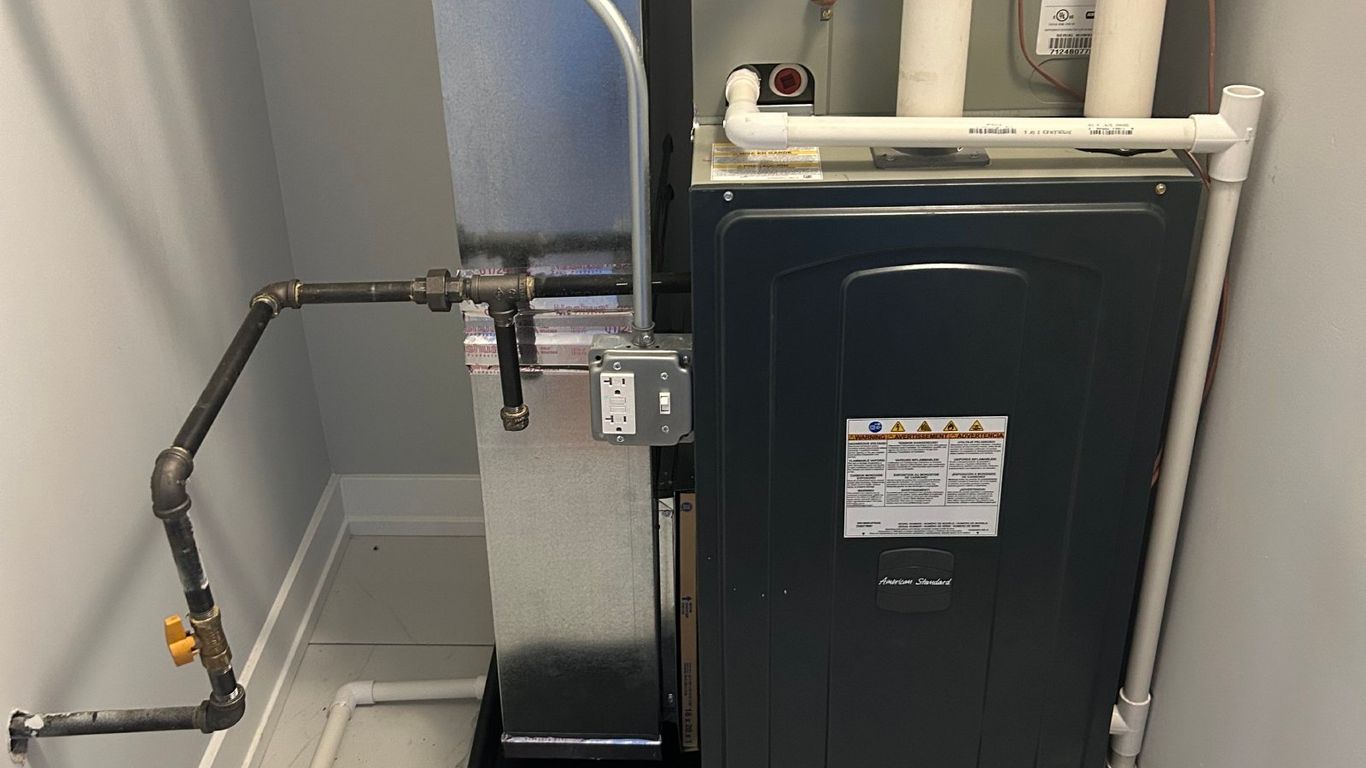
Think of your furnace like your car. You wouldn’t drive it all year without an oil change or checking the tires, right? Your heating system needs that same kind of attention, especially before winter really kicks in. Skipping regular check-ups is a surefire way to end up with a cold house and a hefty repair bill when you least expect it.
Benefits of Regular Heating Maintenance
Regular tune-ups do more than just keep your furnace running. They actually save you money and hassle in the long run. A well-maintained system is a more efficient system. This means it uses less energy to heat your home, which directly translates to lower utility bills. Plus, catching small issues early, like a loose connection or a dirty ignitor, prevents them from snowballing into major breakdowns that could leave you freezing.
Here’s a quick look at what you gain:
- Fewer unexpected breakdowns: Catch problems before they become emergencies.
- Lower energy costs: An efficient system uses less fuel.
- Extended equipment lifespan: Regular care helps your furnace last longer.
- Improved safety: Technicians check for potential hazards like gas leaks or carbon monoxide issues.
- Maintained warranties: Many manufacturers require proof of regular service.
Neglecting your heating system is like playing a gamble with your comfort and your wallet. The Midwest weather can be brutal, and your furnace works overtime during those cold months. A little preventive care goes a long way in avoiding those stressful, middle-of-the-night emergency calls.
Seasonal Preparation for Chicagoland Weather
Chicagoland winters are no joke. We get some serious cold snaps, and your furnace has to work hard to keep up. That’s why getting your system checked out in the fall is so important. It’s like giving your furnace a pre-winter physical. We’ll make sure everything is clean, properly adjusted, and ready to handle the demands of the season. This proactive approach helps avoid those dreaded “no heat” calls when the temperature plummets.
Key Components Checked During Heating Maintenance
During a professional maintenance visit, a technician will go through a detailed checklist. It’s not just a quick look-over; they’re checking the vital signs of your heating system. They’ll inspect the heat exchanger for any cracks that could be a safety risk, clean the burners for efficient combustion, and check electrical connections to prevent issues. They also look at things like the blower motor, gas pressure, and safety controls. It’s a thorough process designed to ensure your system is running safely and efficiently. For example, they’ll check:
- Heat Exchanger: To prevent carbon monoxide leaks.
- Burner Assembly: For clean, efficient flames.
- Electrical Connections: To reduce fire hazards and ensure proper function.
- Blower Motor: To check for wear and proper lubrication.
- Thermostat Calibration: To make sure it’s accurately controlling your home’s temperature.
This kind of attention helps prevent issues like a furnace blowing cold air or strange noises that often signal a problem is brewing.
Choosing a Professional Furnace Repair Service
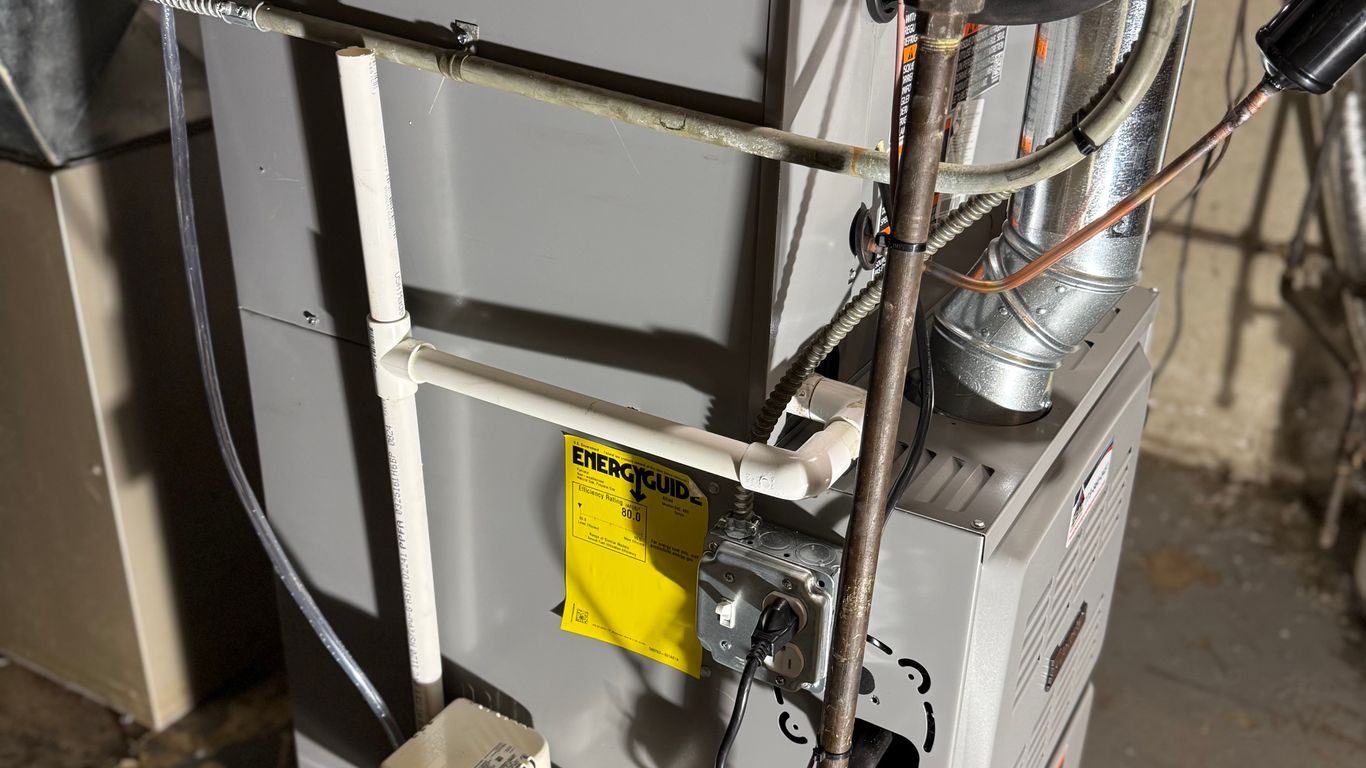
When your furnace decides to quit on you, especially when it’s freezing outside, it’s easy to panic and just call the first company you find. But hold on a second. There’s a big difference between a general handyman and a qualified HVAC professional. Getting the right service means getting your heat back on safely and reliably.
Benefits of Professional 24/7 HVAC Support
Emergencies don’t stick to a schedule. That’s why having access to 24/7 support is a lifesaver. You don’t want to be stuck in a cold house waiting until morning or Monday. Professional services mean you can get help anytime, day or night, even on holidays. This kind of immediate response is key when your home’s comfort and safety are on the line. It’s about peace of mind, knowing that help is just a phone call away, no matter when the problem strikes. This is especially important for critical heating and cooling issues that can’t wait. Professional 24/7 HVAC support can make all the difference.
Local Expertise and Same-Day Repairs
Local companies know the area. They understand the specific challenges that homes in your neighborhood face, like dealing with harsh Midwest winters. Because they’re local, they can often get to you faster. Many offer same-day repairs, which is a huge plus when you’re freezing. They’re usually familiar with the types of furnaces common in your area and keep the necessary parts on hand. This means they can fix your system quickly without having to order parts and wait.
Licensed and Insured Technicians
This is a big one. A licensed and insured technician means they’ve met certain standards and are qualified to do the job. It also means that if something goes wrong while they’re working in your home, you’re protected. You don’t want to be on the hook for damages or injuries. Always ask if the company and its technicians are licensed and insured. It’s a sign of a professional operation that takes your safety and their work seriously. Plus, many manufacturers require professional installation to keep warranties valid, so it protects your investment.
When you’re looking for a repair service, don’t just go by price alone. The cheapest option might end up costing you more in the long run if the repair isn’t done right. Look for a company that offers clear pricing, explains the problem thoroughly, and stands behind their work. A good technician will walk you through the issue and the proposed solution before starting any work.
Here’s a quick look at what to expect:
- Speed: How quickly can they get to your home?
- Skill: Are the technicians trained and experienced?
- Service: Do they offer 24/7 support and same-day repairs?
- Safety: Are they licensed and insured?
- Support: Do they offer a satisfaction guarantee?
Choosing the right professional can save you a lot of headaches and keep your home warm and safe all winter long.
When to Consider Furnace Replacement
So, your furnace has been acting up. Maybe it’s making weird noises, or your heating bills have been creeping up. It’s easy to just call for a repair, and often, that’s the right move. But sometimes, pouring money into an old system just doesn’t make sense anymore. It’s like trying to fix up a car that’s constantly breaking down – eventually, you’ve got to cut your losses and get something new.
The 15-Year Rule for System Replacement
Most furnaces are built to last about 15 to 20 years. If yours is hitting that 15-year mark or even older, it’s probably time to start thinking about replacement. Even if it’s still chugging along, it’s likely not running as efficiently as it used to. Think about it: components wear out, seals get brittle, and the whole system just gets tired. Pushing an old furnace too hard can lead to more frequent and costly repairs. It’s often more economical in the long run to invest in a new, reliable system rather than keep patching up an aging one. You can find more info about furnace replacement to help you decide when it’s time to upgrade.
Signs Your Furnace Needs an Upgrade
Beyond just age, there are other clear signs that your furnace is on its last legs. Are you calling for repairs more than once a year? If you’ve had multiple significant fixes in the last few years, those repair costs can add up quickly. You might be better off putting that money towards a new unit. Another big clue is your energy bills. If they’ve suddenly jumped up without any change in your usage habits, your furnace is probably working overtime to keep your home warm. This usually means it’s lost a lot of its efficiency. Listen for strange noises too – banging, rattling, or screeching sounds often point to mechanical issues that are getting worse. And don’t ignore a pilot light that’s turned yellow or flickering; that can be a sign of incomplete combustion and a potential safety hazard.
Benefits of Modern High-Efficiency Furnaces
When you do decide to replace your furnace, you’ll find that today’s models are a far cry from older units. Modern high-efficiency furnaces are designed to use fuel much more effectively. This means you’ll see a noticeable drop in your energy bills, which is great for your wallet and the environment. Many new furnaces have an Annual Fuel Utilization Efficiency (AFUE) rating of 90% or higher, meaning 90% or more of the fuel you pay for actually becomes heat for your home. Older units might only be 60-70% efficient, so a lot of that energy is just going up the chimney. Plus, newer systems often come with better air filtration, which can improve your indoor air quality. It’s a win-win: you save money, and your home is more comfortable and healthier.
Deciding between repairing an old furnace and investing in a new one can be tough. A good rule of thumb is to compare the cost of a major repair to the price of a new system. If a single repair is going to cost you more than half of what a new furnace would, it’s usually time to replace.
Here’s a quick look at what to expect:
- Age: Over 15 years old.
- Repairs: Frequent and costly repairs.
- Energy Bills: Steadily increasing without explanation.
- Performance: Uneven heating or strange noises.
- Safety: Signs of potential gas leaks or carbon monoxide issues.
Preparing for Your Furnace Repair Appointment
So, your furnace is acting up, and you’ve called for a repair. That’s a good first step! But before the technician arrives, there are a few things you can do to make the process smoother and safer for everyone involved. It’s not just about waiting around; a little preparation goes a long way.
Safety First: Know When to Leave
This is super important. If you catch a whiff of a "rotten egg" smell, which is how natural gas is often scented, or if your carbon monoxide detector starts screaming, don’t mess around. Your immediate safety is the top priority. Get everyone, including pets, out of the house right away. Don’t touch light switches or use your phone inside because a spark could ignite leaking gas. Once you’re a safe distance away, call 911. After that, you can call us for the emergency repair.
Basic Checks for Minor Issues
Sometimes, the problem might be something simple that you can fix yourself, saving you a service call. Before the technician gets there, take a quick look at a few things:
- Thermostat Settings: Double-check that it’s set to "Heat" and the temperature is higher than the current room temperature. If the display is blank, try swapping out the batteries.
- Circuit Breakers: Head over to your electrical panel and see if the breaker for your furnace has tripped. If it has, flip it back. If it trips again right after, don’t try a third time – that’s a sign you need a professional.
- Air Filters: A really clogged air filter can actually cause your furnace to shut down because it can’t get enough air. If yours looks like it’s seen better days, swap it out for a clean one and see if that does the trick.
Protecting Your Home While Waiting
If it’s really cold outside and your house isn’t heating up, you’ll want to protect your pipes from freezing. A simple trick is to open your faucets just a tiny bit, letting them drip slowly. Moving water is much less likely to freeze than water just sitting there. This small step can prevent a much bigger, more expensive problem like a burst pipe while you wait for our expert technicians to arrive.
When you’re preparing for a repair, remember that a little bit of homeowner diligence can go a long way. Checking the basics yourself not only helps the technician diagnose the problem faster but might even solve it before they get there. It’s about being proactive and ensuring your home stays safe and warm.
Getting ready for your furnace repair is simple! Before our team arrives, make sure to clear the area around your furnace so our technicians can easily access it. Also, note down any strange noises or issues you’ve noticed. This helps us fix your heating problem faster. Need to schedule a repair? Visit our website today to book your appointment!
Stay Warm and Worry-Free This Winter
Look, winter’s coming, and the last thing anyone needs is a furnace that decides to take a vacation. We’ve talked about how important it is to get that yearly check-up, especially before the really cold weather hits. It’s way better than dealing with a breakdown when it’s freezing outside. If you’re hearing weird noises or your heat just isn’t cutting it, don’t wait around. Getting a pro to take a look now can save you a lot of headaches, and maybe even some money, down the road. So, give your furnace some attention, and you’ll be much happier when those chilly nights arrive.
Frequently Asked Questions
How often should I get my furnace checked?
It’s a good idea to have your furnace checked out every fall, before the really cold weather hits. Think of it like getting your car ready for a long trip. This check-up helps catch small problems before they become big, expensive ones and makes sure your furnace is ready to keep you warm all winter.
My furnace is making weird noises. What should I do?
If your furnace starts making strange sounds like banging, rattling, or screeching, it’s trying to tell you something’s wrong. It could be a loose part or a motor that’s about to give out. Don’t ignore it! Call a repair service right away to figure out what’s going on before it gets worse.
Why is my furnace blowing cold air instead of hot air?
When your furnace blows cold air, it often means air isn’t flowing through it properly, or there’s an issue with the part that heats the air (the heat exchanger). Sometimes a dirty air filter is the simple fix, but other times it points to a more serious problem that needs a professional to look at.
How do I know if I need to replace my furnace instead of just repairing it?
A good rule of thumb is if your furnace is about 15 years old or older, and a repair would cost more than half of what a new one costs, it’s probably time to think about replacing it. Also, if it’s breaking down a lot or not heating your home as well as it used to, a new, more efficient furnace might be a better choice in the long run.
What’s the difference between emergency repair and regular maintenance?
Regular maintenance is like a planned check-up to keep things running smoothly and prevent problems. An emergency repair is when your furnace breaks down unexpectedly, usually at the worst possible time, and needs immediate attention to restore heat and prevent further damage or safety risks.
What should I do to prepare for a furnace repair visit?
Make sure the area around your furnace is clear so the technician can work easily. If you have pets, keep them in a different room. Also, if you know the age of your furnace or have records of past repairs, have that information ready. It helps the technician figure out the problem faster.