

The Simple Heat Pump Filter Change That Could Save Your System This Season
A heat pump filter change is one of the easiest maintenance tasks a Chicagoland homeowner can do — and one of the most overlooked. Here’s the quick answer most people need:
How to change a heat pump filter (quick steps):
- Turn off your heat pump at the thermostat or circuit breaker
- Locate the filter — usually in the indoor air handler, return air vent, or near the blower compartment
- Slide out the old filter and dispose of it (or rinse it if it’s washable)
- Insert the new filter with the airflow arrow pointing toward the blower
- Close the panel and restore power
How often? Inspect every 30 days. Replace every 60–90 days — or monthly if you have pets, allergies, or it’s peak heating or cooling season.
That small rectangle of pleated material is doing a big job. It blocks dust, pet dander, and pollen from reaching your heat pump’s evaporator coil and blower. When it gets clogged, your system has to work harder — and in a Chicagoland winter or summer, a struggling heat pump means rising energy bills and uneven comfort throughout your home.
Unlike a furnace that gets a break between seasons, a heat pump runs year-round. That means the filter loads up faster than most homeowners expect.
The good news: this is a 10-minute task that can prevent hundreds of dollars in repairs.
Why Regular Heat Pump Maintenance Matters
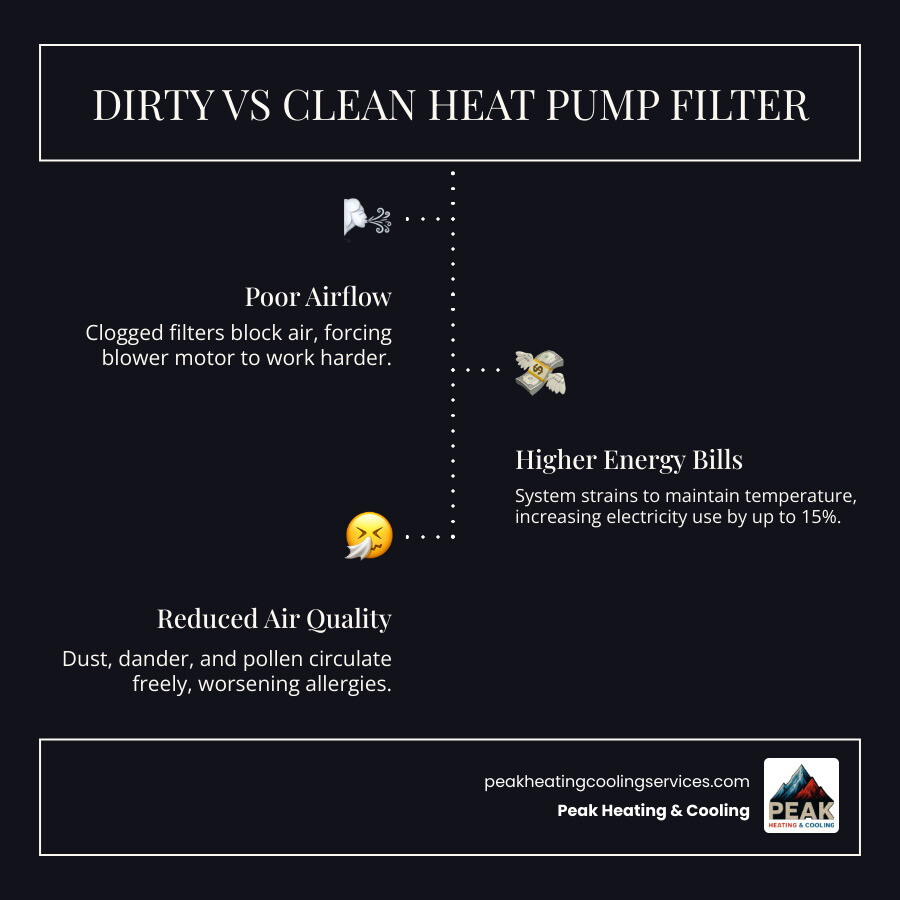
At Peak Heating & Cooling, we’ve seen hundreds of preventable system failures in Glenview and Northbrook simply because a filter was forgotten. A heat pump works by moving air over an evaporator coil. If that airflow is restricted by a thick layer of dust, the heat transfer process fails.
When you neglect your heat pump filter change, several things happen simultaneously. First, your blower motor has to spin faster and work harder to pull air through the blockage, which spikes your energy bills. Second, the lack of airflow can cause the evaporator coil to freeze over—even in the summer! This puts immense strain on the compressor, the most expensive part of your system.
Beyond the mechanical health of your unit, regular changes are vital for your family’s health. Filters are the “gatekeepers” of your home’s air. They trap allergens, pet dander, and fine particles before they can circulate through your rooms. If you’re curious about how these systems compare to traditional setups, check out our Heat Pump vs Air Conditioner Comparison Guide. Maintaining a clean filter ensures your system reaches its full expected lifespan, which is often 15 years or more with proper care.
Locating Your Filter: Ducted vs. Ductless Systems
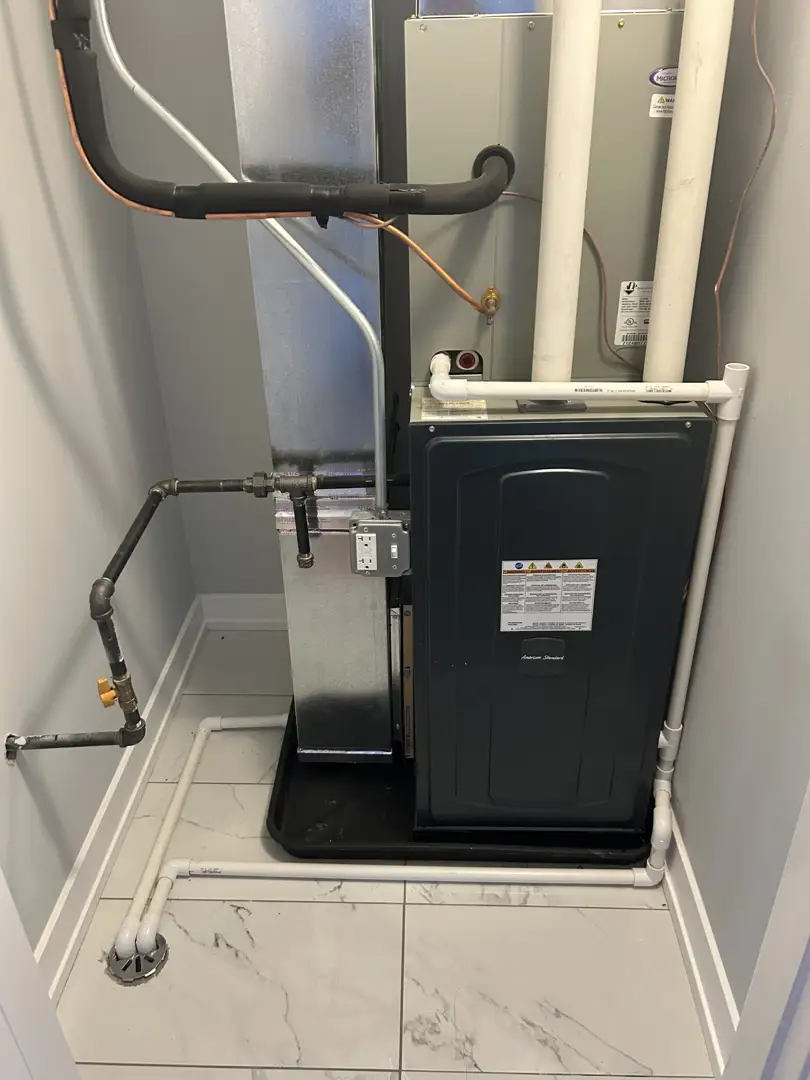
Finding the filter is often the hardest part of the job. Depending on your home’s setup in the Chicagoland area, the location will vary.
- Ducted Central Systems: In most homes with ductwork, the filter is located in the return air plenum, right where the large return duct meets the indoor air handler or furnace. You might also find filters behind the grilles of your return air vents (the large vents that suck air in, rather than blow it out).
- Ductless Mini-Splits: If you have a wall-mounted unit, the filters are usually right under the front panel. You simply lift the cover and slide out the mesh screens. For more on these systems, see The Ultimate DIY Guide to Ductless Mini Split Heat Pump Installation.
- Heat Pump Water Heaters: Yes, these have filters too! They are typically located on the top of the unit or behind a small access panel to protect the fan and compressor from basement dust.
How Often Should You Perform a Heat Pump Filter Change?
While the standard advice is every 90 days, April 2026 in the Midwest brings specific challenges like high pollen and fluctuating temperatures. Because heat pumps provide both heating and cooling, they don’t get a “vacation” like a furnace does in the spring.
We recommend a visual inspection every 30 days. If the filter looks dark gray or you can’t see light through it, it’s time for a swap.
| Household Factor | Recommended Change Frequency |
|---|---|
| Single occupant, no pets | Every 90 days |
| Average family, no pets | Every 60 days |
| One or more pets (shedding) | Every 30–45 days |
| Allergy or asthma sufferers | Every 30 days |
| Peak winter/summer usage | Every 30 days |
Consistent Hvac Maintenance is the best way to ensure you aren’t overpaying the utility company.
Step-by-Step Guide to a Successful Filter Swap
Performing a heat pump filter change is a straightforward DIY task. Following these steps ensures you do it safely and effectively.
Preparing for Your Heat Pump Filter Change
Before you open any panels, safety is paramount.
- Power Down: Turn your system off at the thermostat. For extra safety, especially if you’re working inside the air handler cabinet, flip the circuit breaker or the service switch near the unit.
- Verify the Size: Check the side of your existing filter for dimensions (e.g., 16x25x1). You’ll want to have the new one ready before you pull the old one out.
- Gather Tools: Most filters slide out, but some access doors require a screwdriver or the unlatching of a hook. For a deep dive into the specifics, you can refer to this Step-by-Step: How to Replace a Heat Pump Air Filter.
Executing the Heat Pump Filter Change
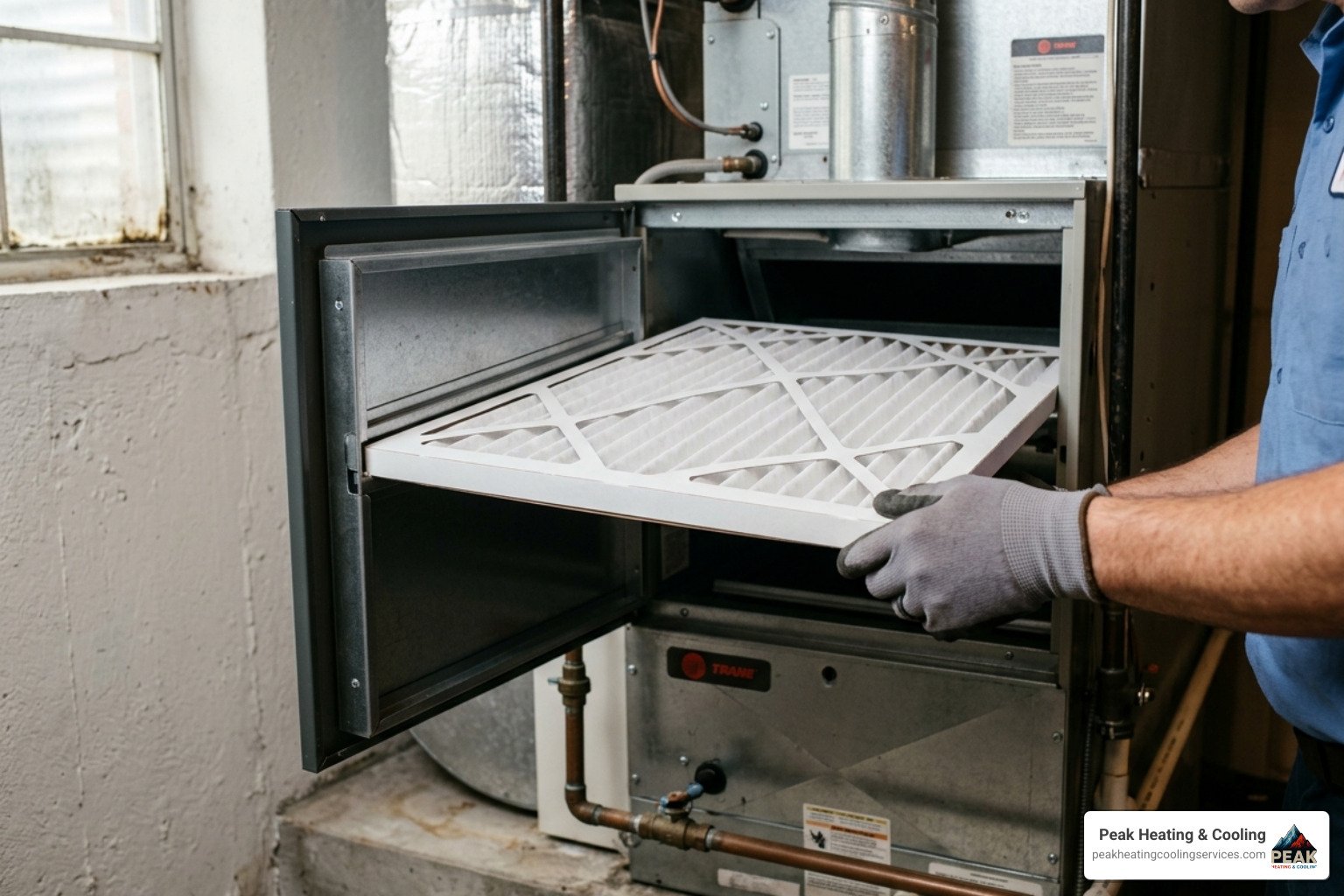
- Remove the Old Filter: Slide it out gently. Be careful not to shake it, as you don’t want to release a cloud of dust back into your mechanical room.
- Clean the Housing: Use a microfiber cloth or a vacuum attachment to wipe away any dust sitting in the filter track or on the access door.
- Check the Arrow: This is the most common mistake! Look for the “Airflow Arrow” printed on the side of the new filter. It must point toward the blower motor (away from the return duct). Installing it backward stresses the motor and reduces efficiency.
- Insert and Secure: Slide the new filter in, ensuring there are no gaps around the edges. Replace the access door and restore power. If your blower motor has been making odd sounds prior to this, you might want to read How to Replace Your Heat Pump Fan Motor Without Breaking the Bank to see if the damage has already been done.
Choosing the Right Filter: MERV Ratings and Types
Not all filters are created equal. The MERV (Minimum Efficiency Reporting Value) rating tells you how well a filter traps particles.
- Fiberglass Filters (MERV 1-4): These are the thin, blue, “see-through” filters. They protect the equipment from large dust bunnies but do almost nothing for your air quality. We generally don’t recommend these for Chicagoland homes.
- Pleated Media (MERV 8-11): This is the “sweet spot” for most residential heat pumps. They provide excellent filtration for dust, pollen, and dander without overly restricting airflow.
- High-Efficiency/HEPA (MERV 13+): While great for allergies, these can be very restrictive. Only use these if your system is designed for the high static pressure they create.
- Washable/Electrostatic: These are permanent filters you rinse with a hose. They are eco-friendly but require you to wait until they are 100% dry before reinstallation to avoid mold growth.
For those considering more advanced options, our guide on Geothermal Heat Pump Install Costs and Benefits Explained touches on how filtration works in high-efficiency geothermal setups.
When to Call a Professional for Your Heat Pump
Sometimes a heat pump filter change isn’t enough to solve the problem. If you notice any of the following, it’s time to call in the experts at Peak Heating & Cooling:
- Frozen Coils: If you see ice on the indoor or outdoor unit, even in warm weather, you likely have a refrigerant leak or a major airflow blockage.
- Short Cycling: If the unit turns on and off every few minutes, it could be overheating due to a clogged internal component.
- Unusual Noises: Screeching, banging, or humming often points to a failing blower motor or loose belt.
- Low Pressure Lockout: Modern heat pumps have safety sensors. If your thermostat shows an error code or the system refuses to start, it may have locked itself out to prevent compressor failure.
If you’re in the North Shore area and need a hand, our team provides expert Glenview, IL Heat Pump Repair with same-day service.
Frequently Asked Questions about Heat Pump Filters
Are heat pump filters washable or disposable?
It depends on the model. Most central heat pumps use disposable pleated filters. However, ductless mini-splits and some high-velocity systems use washable mesh screens. If you have a washable version, ensure it is completely dry before putting it back. For more details, see this How to Clean a Heat Pump Filter: A Complete Guide.
What happens if you don’t change the filter regularly?
Neglect leads to a “domino effect” of issues. It starts with higher energy bills and poor airflow. Eventually, it leads to frozen evaporator coils and, in the worst-case scenario, total compressor failure. For residents in Park Ridge, ignoring this simple task is a leading cause of emergency heat pump repairs.
How do I know if my filter needs to be changed before the 90-day mark?
Look for “symptom” signs: an increase in dust on your furniture, a “musty” smell when the unit kicks on, or a sudden spike in your electric bill. You can also perform the “light test”—hold the filter up to a bright light; if you can’t see the light through the material, it’s too dirty. This Heat Pump Filter Replacement Guide offers more practical tips for homeowners.
Conclusion
A heat pump filter change is the single most effective way to protect your investment and keep your home comfortable throughout the unpredictable Chicagoland seasons. Whether you’re in Skokie, Morton Grove, or right here in Glenview, IL, staying on top of this 10-minute task will save you money and stress.
At Peak Heating & Cooling, we’ve spent over 20 years helping our neighbors stay comfortable. We are a locally operated, licensed, and insured contractor specializing in major brands like Lennox and Ducane. If you’ve changed your filter and your system still isn’t performing at its best, don’t wait for a total breakdown. We offer same-day repairs and 24/7 emergency service to keep your family safe and warm.
Schedule service today with Peak Heating & Cooling and experience the peace of mind that comes with professional HVAC care.