

Summer’s here, and that means you’ll be relying on your air conditioner more than ever. Nobody wants their AC to quit on the hottest day of the year, right? A little bit of ac maintenance now can save you a lot of headaches later. Think of it like giving your car an oil change before a big road trip. You wouldn’t skip that, so don’t skip looking after your home’s cooling system. We’ll go over some simple things you can do, and what to expect when a pro comes to help, to keep things running smoothly all season long.
Key Takeaways
- Schedule regular check-ups for your AC, ideally in the spring before the heat really kicks in.
- Basic ac maintenance tasks like cleaning coils and changing filters can be done by homeowners.
- Keeping airflow clear by changing filters and checking vents helps your system work better and saves energy.
- Consistent maintenance can extend the life of your AC unit and prevent expensive repairs.
- A well-maintained AC unit not only cools your home but also helps keep your indoor air cleaner.
Schedule Your Seasonal AC Tune-Ups
You know, summer’s heat can sneak up on you. One minute it’s pleasant, the next you’re sweating buckets. That’s why getting your air conditioner checked out before the really hot weather hits is a smart move. Think of it like giving your car an oil change before a long road trip – you just want to make sure everything’s running smoothly.
Spring AC Preparation
When spring rolls around, it’s the perfect time to get your AC ready for the summer grind. This isn’t just about turning it on and hoping for the best. It involves a few key steps to make sure it doesn’t conk out when you need it most. We’re talking about clearing out any debris that might have accumulated around the outdoor unit over winter, like leaves or small branches. It’s also a good idea to check that the area around your AC unit is clear so air can flow freely. This simple step can make a big difference in how hard your system has to work.
Timing Your Maintenance Visits
So, when exactly should you book that tune-up? The general advice is twice a year for your HVAC system. For your air conditioner, aim for spring, usually April or May, before the temperatures really start climbing. This gives technicians time to spot any issues and fix them before the peak season rush. Waiting until June or July means you might be stuck on a waiting list if something goes wrong. Getting it done early means you’re ahead of the game and can enjoy cool air without worry. It’s all about being proactive rather than reactive. You can find more info about seasonal AC tune-ups to help you plan.
The Importance of Regular Inspections
Why bother with these regular check-ups? Well, a professional inspection is more than just a quick look-over. Technicians check all the important bits – refrigerant levels, electrical connections, and the overall health of the system. They can spot small problems, like a slightly low refrigerant charge or a worn belt, that could turn into big, expensive repairs down the line. Catching these issues early can save you a lot of money and hassle. It also means your system will run more efficiently, which is good for your wallet and the environment. Plus, knowing your system has been checked by a pro gives you peace of mind all summer long.
Skipping regular maintenance is like playing a game of chance with your home comfort. You might get lucky for a while, but eventually, something’s bound to break when you least expect it, usually on the hottest day of the year.
Essential AC Maintenance Tasks

Keeping your air conditioner in good shape means more than just flipping a switch when it gets hot. There are a few key things you or a professional should be doing to make sure it runs right. Neglecting these tasks can lead to bigger problems down the road, like higher energy bills or even a complete breakdown when you need it most.
Cleaning Outdoor Condenser Coils
The outdoor unit, the condenser, is exposed to the elements all year. Leaves, dirt, grass clippings, and all sorts of other gunk can build up on the coils. This stuff acts like a blanket, making it harder for the unit to release heat. When that happens, the whole system has to work harder, using more energy and putting extra strain on the components.
- Clear the area: Make sure there’s at least a couple of feet of space around the unit, free from plants, furniture, or anything else that blocks airflow.
- Gentle rinse: You can often use a garden hose to spray down the coils from the inside out (if accessible) or from top to bottom. Be careful not to use a pressure washer, as that can bend the delicate fins.
- Check for damage: While you’re there, look for any bent fins or obvious damage to the unit.
Checking Refrigerant Levels
Refrigerant is the stuff that actually makes your AC cold. If the levels are too low, it means there’s likely a leak somewhere. Low refrigerant makes your system work overtime trying to cool your home, and it can also lead to freezing up of the coils. It’s usually best to have a pro check this because refrigerant is a chemical that needs careful handling. They can measure the pressure and temperature to see if it’s correct.
Low refrigerant isn’t just about cooling performance; it can also indicate a problem that needs fixing before it causes more damage to the compressor, which is often the most expensive part of your AC.
Clearing Condensate Drain Lines
Your AC removes moisture from the air as it cools. This water drains away through a pipe called the condensate drain line. If this line gets clogged with algae, mold, or other debris, the water can back up. This can cause water damage to your home, trigger safety switches that shut down your AC, or even lead to mold growth inside your system. You can often clear minor clogs yourself with a wet/dry vac or by pouring a cup of vinegar down the line, but persistent clogs might need professional attention.
Inspecting Refrigerant Lines
These are the insulated copper tubes that carry refrigerant between your indoor and outdoor units. You should check them periodically for any signs of damage or wear. Look for:
- Insulation: Is the insulation intact, or is it cracked and peeling? Damaged insulation can reduce efficiency.
- Oil spots: Small, oily spots on the lines or connections can be a sign of a refrigerant leak.
- Physical damage: Make sure the lines aren’t kinked, bent, or rubbing against anything that could cause wear.
Catching these issues early can prevent bigger problems and keep your AC running smoothly all summer long.
Improving Airflow and Efficiency
When your air conditioner is running, you want it to do its job without a hitch. That means making sure air can move freely through the system and that all the parts are working smoothly. Think of it like a car – if the air filter is clogged or the oil is low, it’s not going to run well, and you’ll probably end up paying more for gas. Your AC is similar.
Replacing Air Filters Regularly
This is probably the easiest thing you can do yourself, and it makes a big difference. A dirty air filter is like a clogged nose for your AC. It stops air from getting through, making the whole system work harder. This not only uses more electricity but can also lead to parts overheating and failing.
- Check your filter monthly. Seriously, just take a peek. You can’t miss it.
- Replace it every 1 to 3 months. If you have pets, or if someone in the house has allergies, you might need to do it more often. It’s better to swap it out too soon than too late.
- Use a good quality filter. Look for filters with a higher MERV rating (Minimum Efficiency Reporting Value) if your system can handle it. These catch smaller particles, which is good for both your AC and your indoor air quality. Just make sure it’s compatible with your unit; a super-thick filter might restrict airflow too much for some systems.
Ensuring Proper Airflow
Airflow isn’t just about the filter. It’s about making sure air can get to the unit and out of it without any problems. This means keeping the area around your outdoor unit clear and making sure your indoor vents aren’t blocked.
- Clear the outdoor unit. Keep bushes, weeds, and any clutter at least two feet away from your condenser unit. This lets it breathe and keeps debris from getting sucked into the fins.
- Don’t block vents. Furniture, curtains, or rugs placed directly over supply or return vents can really mess with how air circulates in your home. Try to keep at least a foot of space around them.
- Check for leaks. Over time, the ductwork that carries air through your house can develop holes or gaps. If air is escaping into your attic or crawl space, you’re losing cooled air and wasting energy. Sealing these leaks can make a noticeable difference in how cool your home feels and how high your bills are. You can find more info about HVAC maintenance on our services page.
Lubricating Moving Parts
Like any machine, your AC has parts that move, and these need a little lubrication to keep things running smoothly. When parts are dry, they create more friction, which means the motor has to work harder and uses more power. This extra strain can also shorten the lifespan of components.
Technicians performing regular tune-ups will check and lubricate these moving parts. It’s a small step that helps prevent wear and tear, keeping your system from becoming sluggish and inefficient. It’s one of those things you might not think about, but it’s important for the overall health of your AC.
By taking care of these simple things, you’re not just keeping your AC running, you’re making sure it runs as efficiently as possible. That means a cooler home, lower energy bills, and fewer headaches down the road.
Protecting Your AC Investment
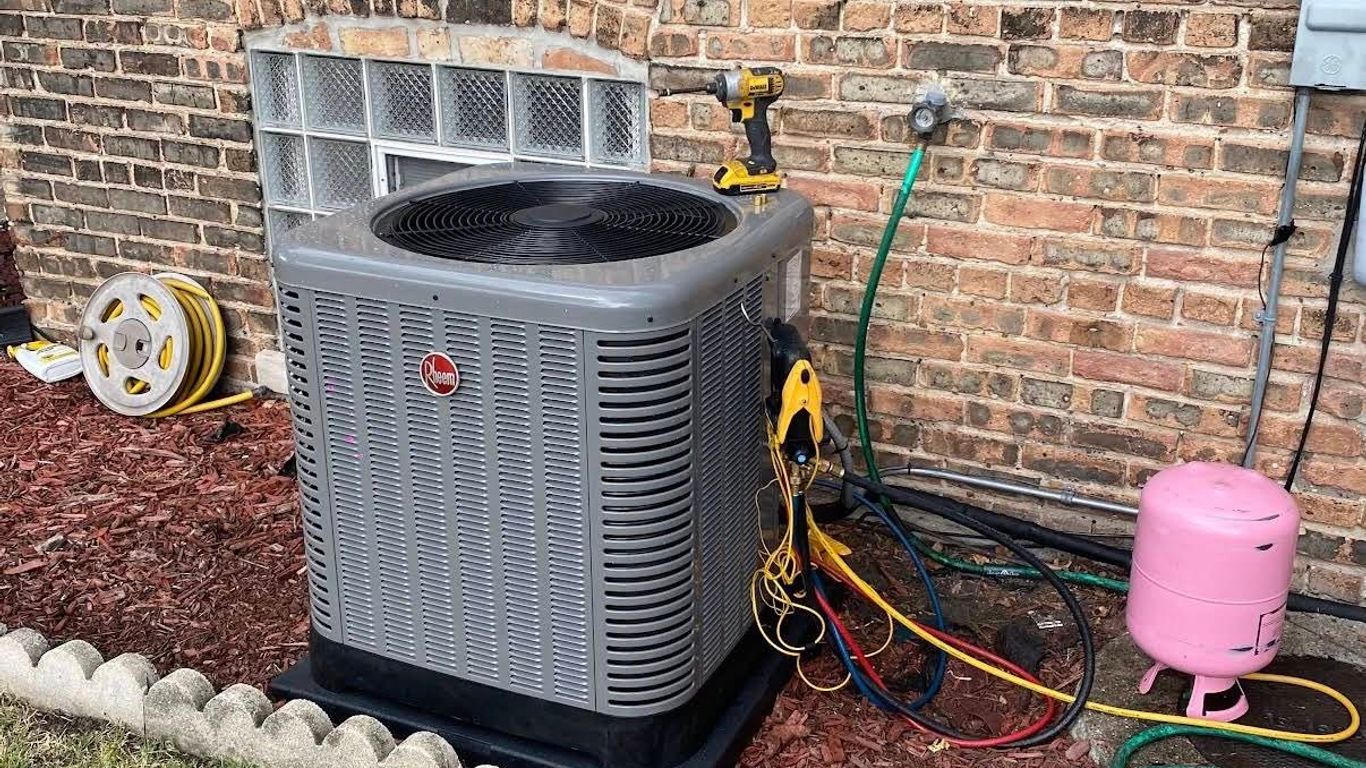
Think of your air conditioner as a significant investment in your home’s comfort. Like any big purchase, it needs care to last and perform well. Neglecting it is like buying a fancy car and never changing the oil – eventually, you’re going to run into trouble.
Understanding System Lifespan
Most air conditioning units are built to last somewhere in the ballpark of 12 to 15 years. However, this is a general guideline. In places with really tough weather, like ours where summers get hot and humid, a system that isn’t looked after might not even make it to the 10-year mark. On the flip side, consistent care can help a good system keep going strong, sometimes even past its expected lifespan. It’s all about giving it what it needs.
Preventing Costly Breakdowns
Honestly, most AC repairs could be avoided if folks just kept up with basic maintenance. When your system is running hard, especially during those peak summer days, parts get worn down. If you don’t catch these small issues early, they can turn into big, expensive problems. We’re talking about things like a motor burning out or a refrigerant leak that could have been spotted during a routine check.
Here’s a quick look at what happens when you skip maintenance:
- Emergency Risk: Goes from very low to quite high.
- Energy Bills: Can jump up by 15-25% or more.
- System Lifespan: Gets cut short significantly.
It really pays to be proactive. Scheduling regular check-ups is way cheaper than dealing with a breakdown when you least expect it, especially on the hottest day of the year. Consider looking into a HVAC maintenance plan to keep things on track.
The Value of Maintenance Plans
Signing up for a maintenance plan can take a lot of the guesswork out of keeping your AC in shape. These plans usually include scheduled tune-ups, so you don’t have to remember to call. Plus, they often give you priority service if something does go wrong. It’s kind of like an insurance policy for your home’s comfort. It helps make sure your system is ready for the heat and keeps your outdoor condenser coils clean and clear.
Maintaining Indoor Air Quality
Your air conditioner does more than just cool your home; it also plays a big part in the quality of the air you breathe. Over time, dust, pollen, pet dander, and other tiny particles can build up in your system and get blown back into your living space. Keeping your indoor air clean is just as important as keeping it cool.
Using High-Efficiency Air Filters
Think of your air filter as the first line of defense against airborne gunk. Standard filters catch the big stuff, but for truly cleaner air, you’ll want to step up your game. High-efficiency filters, like those with a MERV-13 rating, are designed to trap much smaller particles, including bacteria, smoke, and even some viruses. While they might cost a bit more upfront, the difference in air quality is noticeable, especially if you have allergies or pets. Just remember, these thicker filters can sometimes restrict airflow more, so it’s a good idea to check them more often – maybe even monthly, especially if you have pets or live in a dusty area. A clogged filter doesn’t just mean dirty air; it makes your AC work harder, too.
Inspecting Ductwork for Leaks
Your ductwork is like the circulatory system of your home’s air. If there are leaks, conditioned air can escape into your attic or crawl spaces before it even reaches your rooms. This isn’t just a waste of energy and money; it also means your system is pulling in unfiltered air from those unconditioned spaces, which can introduce dust, mold spores, and other contaminants into your home. It’s a good idea to have your ductwork inspected periodically, especially if you notice uneven temperatures in different rooms or a general increase in dust. Sometimes, simple sealing can make a big difference in both comfort and air purity. You can find more information on AC unit options that might be more efficient for your home.
Managing Indoor Humidity Levels
Humidity is a tricky thing. Too much, and you create a cozy environment for mold and dust mites. Too little, and you can end up with dry skin, static shocks, and irritated respiratory passages. The sweet spot for indoor humidity is generally between 30% and 50%. Your AC does help with dehumidification, but in very humid climates, you might need additional solutions like a whole-home dehumidifier. On the flip side, during dry spells, a humidifier can add needed moisture back into the air. Keeping humidity in check is a key part of creating a healthy indoor environment.
A well-maintained HVAC system is your best bet for consistently good indoor air quality. It’s not just about comfort; it’s about health. Regular filter changes and professional check-ups can prevent a lot of common IAQ problems before they even start.
Thermostat Calibration for Optimal Performance
Your thermostat is basically the brain of your whole AC system. It tells the unit when to turn on, when to turn off, and what temperature to aim for. If it’s not calibrated right, your system can get confused, leading to all sorts of problems. A properly calibrated thermostat is key to keeping your home comfortable and your energy bills from going through the roof.
Ensuring Accurate Temperature Readings
Think about it: if your thermostat thinks it’s 70 degrees when it’s actually 75, your AC will just keep running, trying to reach that lower, incorrect temperature. That’s a lot of wasted energy and unnecessary wear and tear on your system. It’s like telling someone to keep filling a glass of water when it’s already overflowing. To check if yours is reading correctly, you can use a separate, reliable thermometer. Place it right next to your thermostat and wait about 15 minutes after the AC has finished its cycle. If the readings are off by more than a degree or two, it’s time to adjust it. Most thermostats have a calibration mode you can access through the settings – check your manual for the exact steps. Sometimes, the location of the thermostat is the issue. If it’s in direct sunlight or near a drafty window, it’s getting bad information and can’t do its job properly.
Preventing Premature System Wear
When your thermostat isn’t calibrated, it can cause your AC to cycle on and off too frequently. This is called "short cycling." Imagine revving a car engine constantly instead of letting it run smoothly; it’s going to wear out much faster. This constant starting and stopping puts a lot of stress on the components, especially the compressor, which is the heart of your AC. Over time, this can lead to breakdowns that are expensive to fix. A well-calibrated thermostat helps your system run in longer, more consistent cycles, which is much gentler on the equipment and helps it last longer. It’s all about letting the system do its job efficiently without overworking it.
Optimizing Smart Thermostat Communication
If you’ve upgraded to a smart thermostat, calibration is still super important, but there’s an added layer: communication. These fancy gadgets connect to your home Wi-Fi and can be controlled from your phone, but they rely on a stable connection and accurate readings to work their magic. Sometimes, issues with the wiring, like corrosion or loose connections, can mess with the signal. If your smart thermostat is acting up, like randomly rebooting or losing its connection, it might be a wiring problem. You’ll want to check that all the wires are securely fastened to their terminals. For some smart models, a "C-wire" is needed for constant power, and if that’s not set up right, you’ll have problems. Making sure your smart thermostat is properly calibrated and communicating effectively means you get the most out of its energy-saving features and remote control capabilities. If you’re having trouble with a specific smart model, you might find resources on Ecobee repair helpful.
A thermostat that’s off by just a couple of degrees might not seem like a big deal, but over the course of a hot summer, that small inaccuracy can add up. It means your AC is running more than it needs to, using more electricity, and putting extra strain on its components. Regular checks and calibration are simple steps that pay off big time in comfort and system longevity.
Making sure your thermostat is set up just right is key to keeping your home comfy and saving energy. A properly calibrated thermostat means your heating and cooling systems work smarter, not harder. This helps prevent your system from running too much or not enough, leading to a more stable temperature and lower bills. Want to learn more about keeping your home’s climate perfect? Visit our website for expert tips and services!
Keep Your Cool All Summer Long
So there you have it. A little bit of upkeep goes a long way when it comes to your air conditioner. By taking these simple steps, you can help avoid those annoying breakdowns when the heat really kicks in. Plus, a well-cared-for unit usually runs better, saving you some cash on your energy bills. Think of it as giving your AC a little spa day before the busy summer season. It’s worth the effort to stay comfortable when it matters most.
Frequently Asked Questions
How often should I have my air conditioner checked by a professional?
It’s best to get your AC system checked at least once a year, usually in the spring before the hot weather starts. This helps catch small problems before they turn into big ones and keeps your system running smoothly all summer.
What are the most important things I can do myself to keep my AC working well?
You can help your AC by changing the air filter every 1 to 3 months, keeping the area around the outdoor unit clear of leaves and debris, and making sure vents inside your home are not blocked by furniture or curtains.
Why is cleaning the outdoor condenser coils important?
When the coils outside get dirty, your AC has to work harder to cool your home. Cleaning them helps your system run better, use less energy, and can help prevent breakdowns.
How can I tell if my AC needs more refrigerant?
If your AC is running but not cooling as well as it used to, or if you hear hissing noises near the lines, there might be a refrigerant problem. It’s best to call a professional to check and fix this, since handling refrigerant can be dangerous.
What does a maintenance plan include, and is it worth it?
A maintenance plan usually means a technician comes out once or twice a year to inspect, clean, and tune up your system. It can save you money by catching problems early, lowering your energy bills, and making your AC last longer.
How does regular AC maintenance help with indoor air quality?
When your AC is well cared for, it filters out more dust, pollen, and pet hair from the air. Maintenance also helps stop mold from growing in your system, so the air inside your home stays cleaner and healthier.