What to Know Before Choosing a Heat Pump in 2026?
Heat pump installation has become one of the fastest-growing HVAC upgrades for homeowners in Glenview, IL and the North Shore. A single system handles both heating and cooling, which makes it a smart option for homes dealing with freezing winters and humid summers.
If you’re researching heat pump installation Chicagoland, the biggest factors usually come down to system type, home size, existing ductwork, electrical capacity, and whether you’re planning a straightforward replacement or a larger HVAC system upgrade.
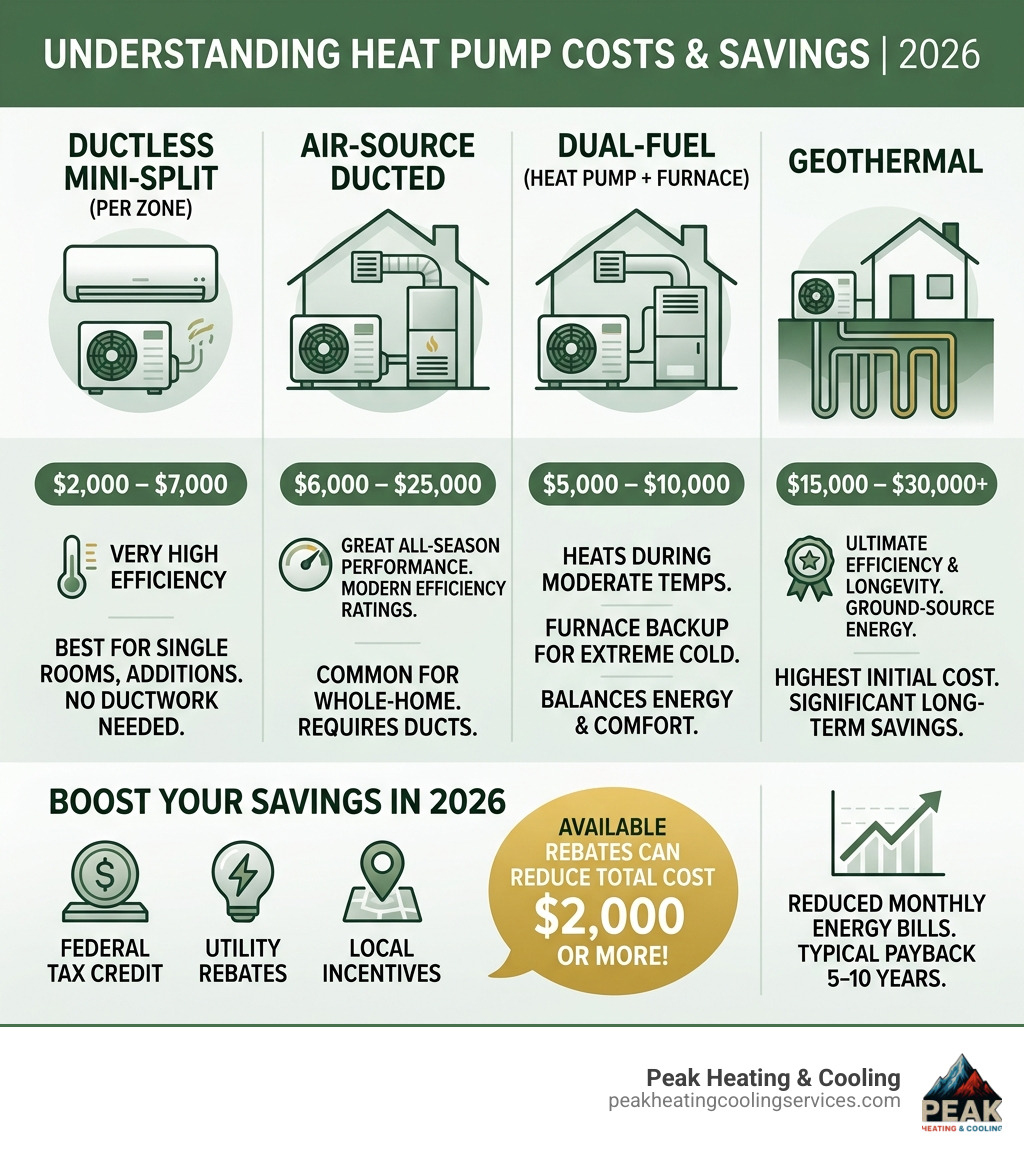
Here is a quick breakdown of the main system types:
| System Type | Typical Application |
|---|---|
| Ductless mini-split (per zone) | Additions, older homes, targeted room comfort |
| Air-source ducted | Whole-home heating and cooling with existing ductwork |
| Dual-fuel (heat pump + furnace) | Cold-climate performance with gas backup |
| Geothermal | Long-term efficiency for homes suited to ground-loop installation |
A few things worth keeping in mind right away:
- Air-source heat pumps are one of the most common choices for whole-home comfort
- A 2,000 sq ft home often needs careful sizing based on insulation, windows, and duct design
- Federal and utility incentives may help offset part of the installation investment
- Many homeowners choose heat pumps to improve efficiency and reduce monthly energy use
For Glenview, Northbrook, Wilmette, Winnetka, and nearby communities, a heat pump can be an excellent fit when the system is sized correctly and installed by a licensed and insured HVAC contractor.
The goal of this guide is simple: help you understand what affects system selection, installation requirements, and long-term performance so you can make a confident decision for your home.
Understanding Heat Pump Options by System Type
When homeowners ask about heat pump installation Glenview IL, the first question is usually which type of system makes the most sense for the house. The right answer depends on your existing HVAC setup, comfort goals, and how the home is built.
Air-source systems
These are the most common units we install across the Northwest Suburbs. They extract heat from the outside air and move it indoors during winter, then reverse the process in summer. For many homes in Glenview, Northbrook, and Des Plaines, they are a practical way to combine heating and cooling in one system. For more details on how these systems operate, check out our guide on ASHP running costs.
Geothermal units
Geothermal systems use the stable temperatures underground to deliver highly efficient heating and cooling. They can be a strong fit for certain properties, especially when homeowners are planning for long-term performance and efficiency. You can read more about geothermal install costs and benefits to see if the long-term ROI fits your home.
Dual-fuel and hybrid heating
In areas like Skokie and Wilmette, many homeowners prefer a dual-fuel setup. This pairs an electric heat pump with a high-efficiency gas furnace. The heat pump handles most heating days, and the furnace steps in during extreme cold. This is a common recommendation for Chicagoland homes that want efficiency without giving up winter peace of mind.
Evaluating ducted heat pump installation
For homes with central HVAC and functional vents, a ducted system is often the logical choice. These units look and operate much like a traditional central air conditioner but provide heat as well.
At Peak Heating & Cooling, we frequently recommend Lennox and Ducane systems for whole-home electrification. Entry-level equipment, mid-range efficiency models, and advanced cold-climate systems are all available depending on the home’s needs. If you are comparing this to a traditional setup, it helps to know how much a new furnace costs to see the value of a system that can handle both heating and cooling.
Ductless mini-split heat pump considerations
If your home lacks ductwork — common in some older Northfield or Glencoe residences — or you have a new addition, ductless mini-splits can be a strong solution. These provide zoned comfort, allowing you to set different temperatures for different rooms.
A single-zone system may work well for one area, while a whole-home multi-zone setup uses multiple indoor air handlers to condition different parts of the house. While some homeowners look for a DIY guide to ductless installation, we strongly advise professional installation to ensure the refrigerant lines are sealed properly and the warranty remains valid.
Key Factors Influencing Your Heat Pump Installation
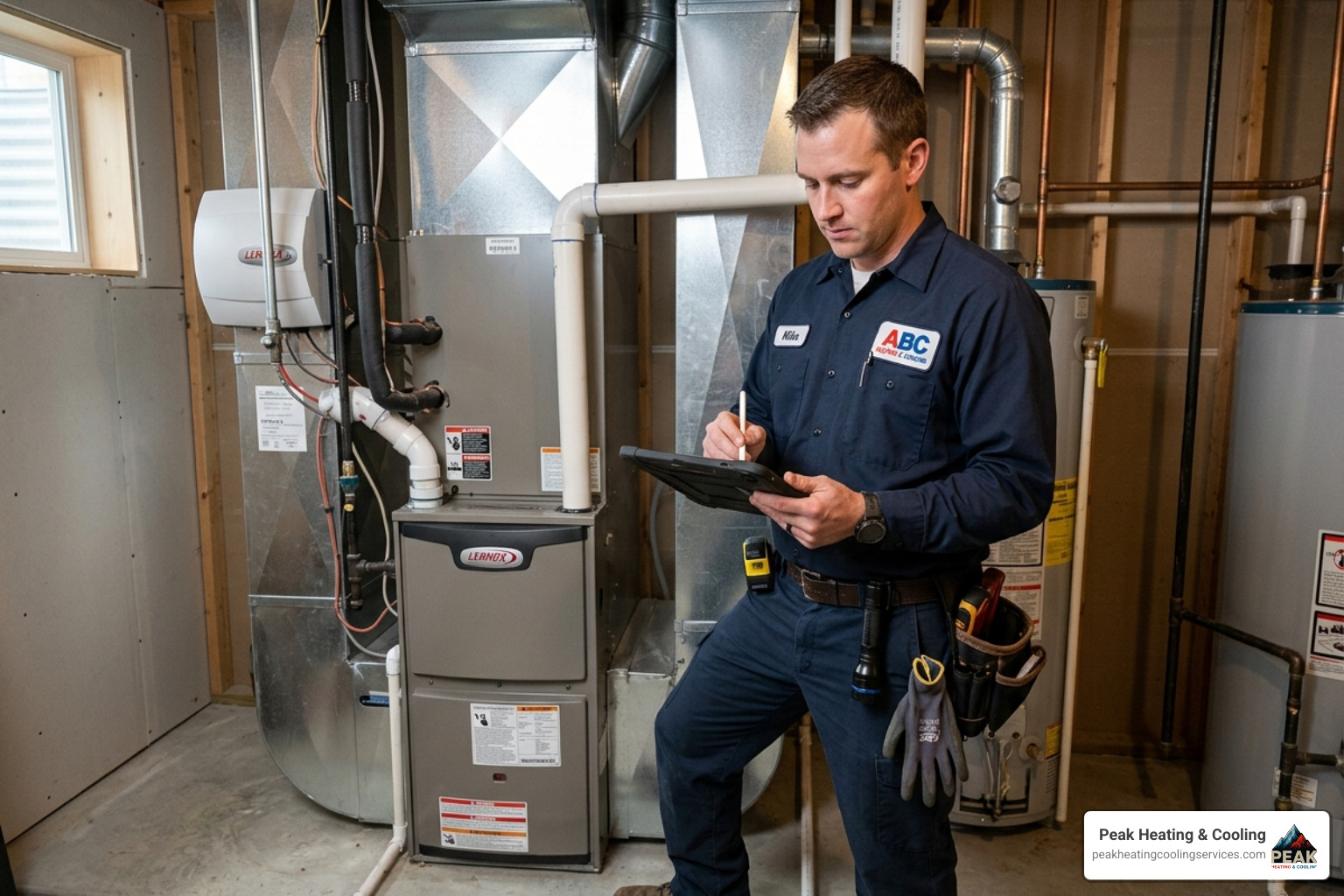
Selecting the right heat pump for your home means looking beyond the equipment itself. Every house has different requirements, and those details affect performance, comfort, and installation scope.
- Home Square Footage & Tonnage: In HVAC, a “ton” refers to system capacity. A small condo in Glenview will need a different setup than a larger home in Winnetka or Deerfield.
- Manual J Load Calculation: We do not guess on system size. We perform a Manual J calculation to account for insulation, windows, air leakage, and home orientation. Proper sizing is critical because an oversized system can cycle too often, while an undersized one may struggle during very cold weather. Learn more in our heat pump sizing guide.
- Electrical Requirements: Modern heat pumps may require updates to the home’s electrical system, especially when backup electric heat is involved.
- Ductwork Modifications: High-performance heat pumps often move air differently than older systems. If ducts are undersized or leaking, they may need repairs or modifications to help the system operate quietly and efficiently. Check out our heat pump vs air conditioner guide for more on structural needs.
Efficiency Ratings and Incentives in 2026
By May 2026, efficiency standards have shifted toward SEER2 for cooling and HSPF2 for heating. Higher ratings generally mean better energy performance, and they can play an important role when comparing systems for your Glenview or North Shore home.
- SEER2 Ratings: Modern units range from 14 to over 23. Higher-efficiency models can reduce cooling energy use and improve overall performance.
- Variable-Capacity Technology: Unlike older units that are either fully on or fully off, variable-speed systems adjust output gradually to match demand. They are often preferred for better comfort, quieter operation, and steadier indoor temperatures.
Offsetting the Installation Investment with Incentives
The good news is that the financial case for heat pumps is stronger than ever thanks to the Inflation Reduction Act (IRA) and local programs. According to Energy.gov, these systems are significantly more efficient than traditional HVAC units:
- 25C Federal Tax Credit: Qualifying air-source heat pumps may be eligible for a federal tax credit.
- Geothermal Tax Credit: Geothermal systems may also qualify for a federal tax credit.
- HEAR and HOMES Rebates: Depending on household income and projected energy savings, state-administered rebates may be available.
- Utility Rebates: Chicagoland utilities like ComEd and Nicor Gas may offer incentives for qualifying high-efficiency equipment.
Installation Requirements for Chicagoland Homes
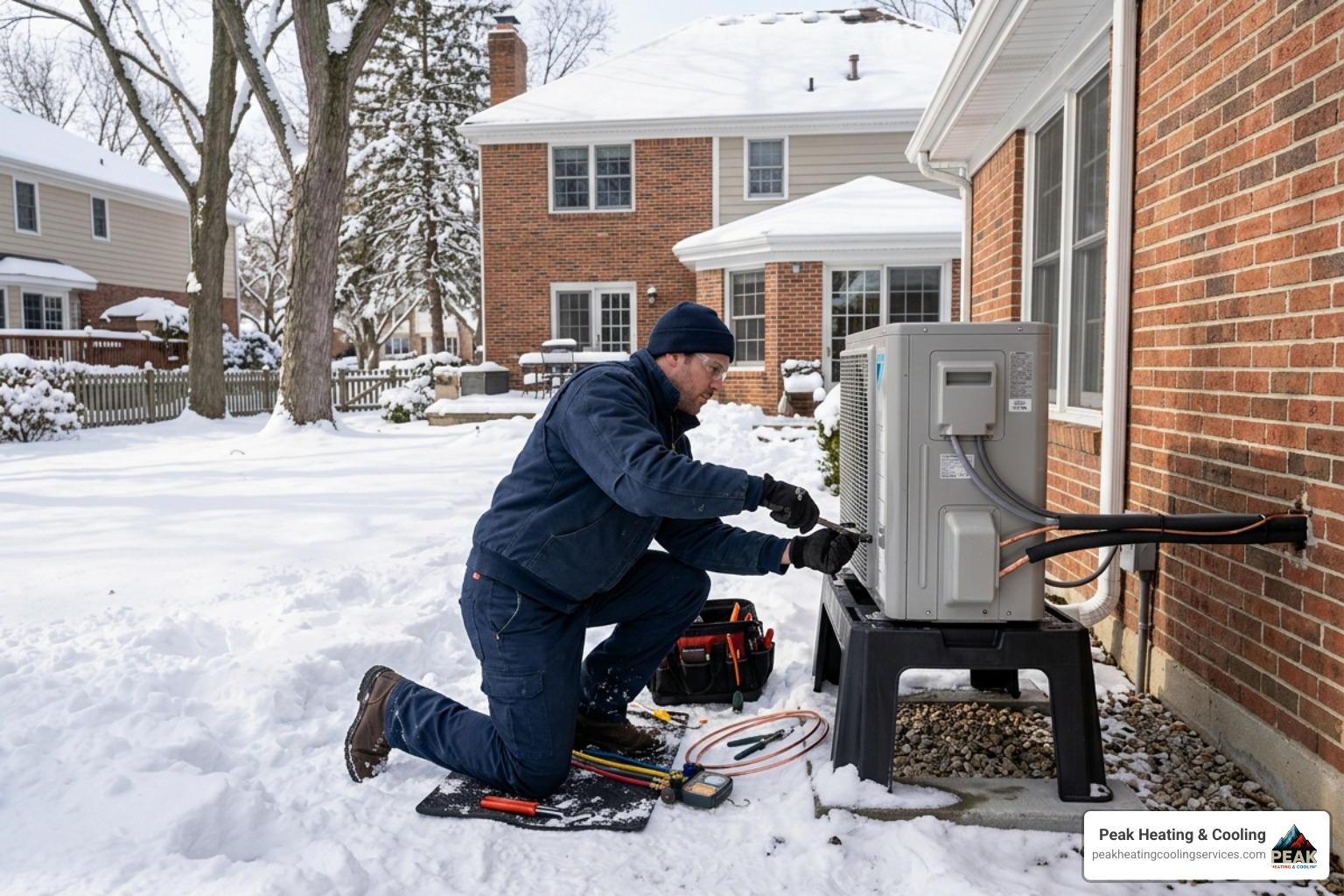
Installing a heat pump in Glenview, Northbrook, and the surrounding Northwest Suburbs requires local experience. Weather conditions, municipal permitting, and winter performance all matter in Chicagoland.
Because of heavy snowfall, we install outdoor units on snow stands or legs to keep them clear of drifts and allow proper drainage during defrost cycles.
- Permit Requirements: Permits are typically required in Glenview, Northbrook, and nearby suburbs so the work can be inspected for safety and code compliance.
- Labor Scope: A standard ducted replacement is usually completed in one to two days for a crew, while geothermal or complex multi-zone ductless systems may take longer.
- Seasonal Scheduling: Spring and fall are often the easiest times to plan a heat pump installation before peak summer or winter demand.
Even with professional installation, things happen. We’ve put together a guide on how to replace a fan motor if you run into issues down the road, though a well-maintained system should avoid these repairs for years.
Frequently Asked Questions about Heat Pumps
Are heat pumps suitable for cold climates like Glenview, IL?
Absolutely. Modern cold-climate heat pumps are designed to perform well during Illinois winters. Many models continue operating efficiently in very low outdoor temperatures. For our area, we often recommend a dual-fuel system for homeowners who want extra peace of mind during extreme cold snaps.
How long does a heat pump last compared to a furnace?
A well-maintained heat pump typically lasts around 15 years, and some systems can last longer with regular service. Because a heat pump handles both heating and cooling, annual tune-ups are important for long-term performance.
Do heat pumps help lower monthly utility bills?
In many homes, yes. Heat pumps are especially attractive when replacing propane, fuel oil, or electric resistance heat. Because they move heat rather than generate it through combustion, they can be a very efficient option for year-round comfort.
Conclusion
Choosing a heat pump is a major home comfort decision, and the right installation can improve efficiency, comfort, and peace of mind for years to come. At Peak Heating & Cooling, located at 714 Glenwood Ln, Glenview, IL, we bring over 20+ years HVAC experience to every job in Glenview, Northbrook, Wilmette, Winnetka, and the surrounding Chicagoland suburbs like Morton Grove, Niles, Park Ridge, Des Plaines, and Mount Prospect. As a licensed and insured HVAC contractor specializing in Lennox and Ducane systems, we know how to design a setup that stands up to Illinois weather.
We are a locally operated team that provides 24/7 HVAC service, same-day repairs, and 0% financing options available for qualified customers on installation and replacement projects.
If you’re considering heat pump installation Chicagoland, schedule your heat pump installation today or call Peak Heating & Cooling to talk through the best option for your home.