

Thinking about getting a new air conditioner? It’s a big decision, and getting the installation done right is super important. A good air conditioner installation means you’ll be comfortable all summer without your energy bills going through the roof. We’ll walk you through what you need to know, from picking the right system to what happens on installation day. Let’s make sure your home stays cool and breezy.
Key Takeaways
- Professional air conditioner installation is key for comfort and efficiency.
- Proper system sizing, based on a load calculation, prevents issues like short cycling and poor humidity control.
- Expert installation ensures your system operates safely, meets code, and keeps your manufacturer’s warranty valid.
- Various systems exist, including central air, high-efficiency models, and ductless mini-splits, each suited for different needs.
- Regular maintenance after installation is vital for maximizing your system’s lifespan and performance.
Understanding Your Air Conditioner Installation Needs
Getting a new air conditioning system isn’t something you should rush—especially if you want to avoid a summer spent sweating indoors or paying unnecessary repair bills come July. Let’s break down what really goes into making the right decision before any installation begins.
The Importance of Professional Air Conditioner Installation
Trying to install an air conditioner yourself may seem like a cost-saver, but it opens up a can of worms you don’t want. Licensed professionals bring the tools, knowledge, and experience to handle electrical work and refrigerant safely, reducing hidden risks. A proper install ensures your system works as it should, keeping you cool and giving you peace of mind. Don’t forget: DIY work can void your equipment warranty or leave you exposed to issues like carbon monoxide leaks or electrical shocks. To see why seasoned help matters for your home’s comfort and safety, check out details on the importance of hiring licensed and insured technicians.
When you invest in professional installation, you’re setting your cooling system up for fewer repairs, lower monthly costs, and a longer useful life.
Key Considerations Before Installation
There are a handful of factors everyone should think about before choosing a new AC system or making an installation appointment:
- Current System Status: Is your existing unit limping along, in need of frequent repairs, or more than 10-15 years old? It may be time to replace rather than fix.
- Home Size and Layout: Larger spaces and open floor plans have different needs than small, closed-off homes.
- Insulation and Window Placement: A drafty house or one with big, sun-facing windows will need a more powerful system.
- Budget and Financing: Think not just about upfront costs, but long-term savings on energy and potential financing plans.
Here’s a quick snapshot of what you might need based on room size:
| Room Size (Sq. Ft.) | Cooling Capacity (BTUs) |
|---|---|
| 150 – 250 | 6,000 |
| 250 – 450 | 9,000 |
| 450 – 550 | 12,000 |
| 550 – 700 | 18,000 |
| 700 – 1,000 | 24,000 |
Getting the size wrong leads to short-cycling, humidity issues, and higher bills. Relying on professional assessment helps avoid these headaches.
Choosing the Right Air Conditioning System
Selecting an air conditioner isn’t just about square footage. Modern homes often need a personalized approach. You’ll need to consider:
- System Type: Central AC, ductless mini-splits, or heat pumps? Each has pros and cons for different layouts and budgets.
- Energy Efficiency: The higher the SEER2 rating, the less it’ll cost to keep cool over time. Older systems can be half as efficient as new models.
- Household Comfort Needs: Do you want zoned cooling (custom temps in each room) or whole-home coverage?
Here’s a basic comparison table:
| System Type | Best For | Main Benefit |
|---|---|---|
| Central Air Conditioner | Homes with ductwork | Even cooling across the house |
| Ductless Mini-Split | No ducts, add-ons, sunrooms | Zoned, flexible control |
| Heat Pump | Energy-conscious households | Year-round heating and cooling |
Taking stock of your actual living situation means you don’t end up with a system that’s overkill—or one that can’t keep up. And if you’re unsure how to weigh these choices, you can always review key steps for air conditioner installation, which outline what to expect and ask before any work starts.
Remember, when it comes to AC installation, don’t settle for guessing. A bit of planning now means a whole lot more comfort when summer rolls in.
The Professional Air Conditioner Installation Process
Getting a new air conditioner isn’t just about plugging in a machine—there’s a step-by-step process behind it that can make or break your summer comfort. A careful, professional installation is the difference between an AC that’s reliable for years and one that gives you headaches every July. Here’s what really happens behind the scenes:
Load Calculation and System Sizing
Before any equipment arrives, the installer needs to know exactly what your home requires. This isn’t guesswork. An accurate load calculation is done using measurements like square footage, insulation levels, the number of windows, and how much sun your home gets.
- Professionals use proven industry formulas—not just a quick glance or rule of thumb.
- A properly sized unit avoids short cycling and humidity problems.
- Oversized or undersized systems waste energy and wear out fast.
| Home Size (Sq. Ft.) | Typical AC Capacity (Tons) |
|---|---|
| 800 – 1,200 | 1.5 – 2 |
| 1,200 – 1,800 | 2 – 2.5 |
| 1,800 – 2,500 | 2.5 – 3.5 |
| 2,500 – 3,000 | 3.5 – 4 |
Numbers are for general comparison—final capacity should always be customized!
Skipping the calculation or picking a unit that’s "close enough" is a shortcut that will cost you, plain and simple.
For a more complete look at why correct sizing matters, check out load calculation and efficiency tips.
Site Preparation and Old System Removal
There’s a lot more to installation than rolling in a new box:
- Protecting your floors and walls with drop cloths and prepping paths for easy access.
- Double-checking safety—electricity and gas are turned off, and permits are handled.
- Safely recovering old refrigerant as required by law and disposing of the old system the right way.
If you have ductwork, it’s the prime opportunity for an inspection—leaks or blockages are fixed before the new air conditioner is even hooked up.
New Equipment Installation and Connections
This is the phase where things start to take shape.
- The air handler/furnace and new evaporator coil are set up inside, and the outside condenser is installed on a stable pad (usually slightly above ground level).
- New refrigerant lines are linked with precision—mistakes here lead to leaks and poor performance.
- Electrical connections are wired to code, including a dedicated circuit if necessary.
- A new thermostat may be installed and programmed.
Every connection is tested and tightened, because even a small mistake here can mean big repairs down the road.
System Testing and Calibration
Turning on your new air conditioner isn’t the finish line—it’s the start of checks and adjustments:
- Testing refrigerant pressures and checking for any leaks.
- Balancing airflow throughout the house so every room cools evenly.
- Running the system through various modes to catch weird noises, vibrations, or error codes.
- Walking you through the new controls and sharing basic maintenance pointers.
- A final inspection covers both performance and safety, making sure the whole installation meets strict local codes.
With a thorough walkthrough and calibration, you’ll know everything is working smoothly before the installer leaves.
When it’s all done by a pro, your air conditioner will run at its best—cool, quiet, and efficient. If you want a breakdown on why site assessment and planning are key, explore tips on installation planning.
Benefits of Expert Air Conditioner Installation
Ensuring Optimal Energy Efficiency
Professional installation makes a big difference in how efficiently your air conditioner runs. Every detail—from the way the system is sized to the way the refrigerant lines are handled—directly impacts your cooling bills. A correctly installed system avoids common problems like airflow restrictions or leaks, which drain energy. Systems that meet modern efficiency standards, like Energy Star certified ACs, can even save you up to 23% on your power usage compared to out-of-date models. If you’re interested in greener options or qualifying for energy incentives, consider looking into Energy Star certified air conditioners for both savings and environmental benefits.
| Installation Type | Expected Energy Savings | Warranty Validity |
|---|---|---|
| Professional | Up to 30% | Yes* |
| DIY / Unlicensed | 0–10% | No** |
*With Energy Star and most major brands.
**Most brands void warranties if not installed by a licensed pro.
Maximizing System Lifespan
Your air conditioner isn’t just a box you plug in—it’s a system that needs to be set up the right way or it’ll wear out early. Professional installers know how to tune airflow, calibrate controls, and spot hidden issues before they become disasters. These little details mean you get the full lifespan out of your equipment, which is usually 10 to 15 years when installed properly. Systems that are poorly set up often break down early, force you into costly repairs, or even need to be replaced in half that time.
Key ways pros help your system last longer:
- Proper refrigerant charging and leak checks
- Precise electrical and thermostat setup
- Secure mounting and level placement (to avoid vibration and early wear)
A well-installed air conditioner is far less likely to give you a surprise breakdown during a heatwave. Years of trouble-free operation come down to starting with the basics done right.
Maintaining Manufacturer Warranty Validity
A lot of people don’t realize that nearly every air conditioner warranty depends on professional installation. Manufacturers like Lennox, Carrier, and others require proof that a licensed contractor set up your system. DIY installs, or work by someone who isn’t certified, can void those factory warranties—meaning you’re stuck if something fails. Choosing expert installation is your insurance policy for the next ten years. Your future self will thank you when a major part goes bad and you don’t have to pay out of pocket.
What keeps your warranty valid:
- Certified, licensed installation with documentation
- Proper equipment registration with the manufacturer
- Regular professional maintenance after installation
Guaranteeing Safety and Code Compliance
Safety isn’t just about comfort—it’s about protecting your home and family. Air conditioner installation involves high voltage wiring, refrigerants under pressure, and sometimes even natural gas lines. Incorrect installation can put you at risk of electrical fires, refrigerant leaks, or dangerous code violations. Professional installers follow all local building codes and safety rules, so you pass any municipal inspection on the first try. If you want the system to be both legal and safe, it’s best to trust someone who knows local requirements inside and out.
- Proper airflow and venting checks
- Safe, code-approved electrical connections
- Secure line set routing and leak-proof connections
A little extra care during installation does more than keep things running—it could literally save lives in an emergency.
If you’re looking for peak performance and real peace of mind, choose professional air conditioning installation for your next system. That’s the quickest way to a cooler, safer, and worry-free summer.
Types of Air Conditioning Systems We Install
When it comes to keeping your home cool and comfortable, not all air conditioners are created equal. Different homes have different needs, and we’ve got a range of systems to fit just about any situation. Picking the right one is a big deal, and we’re here to help you figure it out.
Central Air Conditioners
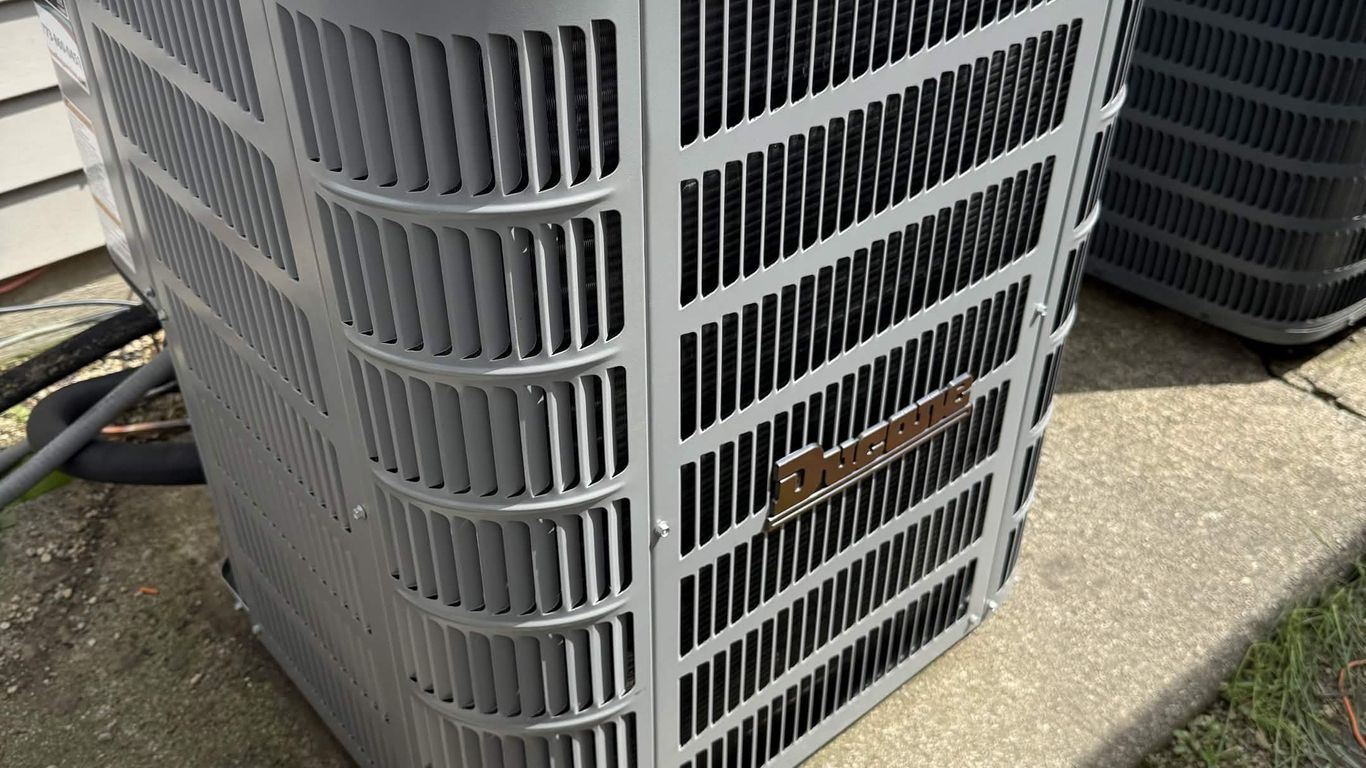
This is probably what most people picture when they think of air conditioning. A central AC system uses a network of ducts to distribute cool air throughout your entire house. It’s a great option if your home already has ductwork in place.
- Consistent Comfort: Cools your whole house evenly.
- Quiet Operation: The noisy parts are usually outside.
- Aesthetically Pleasing: You only see vents inside.
If you’ve got an older home with existing ductwork, a central air conditioner is often the most straightforward and effective choice for whole-home cooling. We make sure the system is sized just right for your home’s square footage and layout, so you’re not dealing with hot or cold spots.
High-Efficiency and Variable-Speed Systems
These are the newer, smarter kids on the block. High-efficiency systems are designed to use less energy, which means lower electricity bills for you. Variable-speed systems take it a step further. Instead of just blasting cold air at full power and then shutting off, they can adjust their output. This means they run more often but at a lower, more consistent speed.
The real magic of variable-speed technology is its ability to maintain a steady temperature while also doing a better job of removing humidity from the air. This leads to a more comfortable environment overall, not just a cooler one.
These systems often come with higher SEER2 (Seasonal Energy Efficiency Ratio) ratings, meaning they’re more efficient. While the upfront cost might be a bit higher, the long-term savings on energy bills can really add up. Plus, they often come with better warranties and can qualify for energy tax credits.
Ductless Mini-Split Systems
Don’t have ductwork, or maybe you’re looking to cool a specific area like a sunroom or a converted garage? Ductless mini-splits are a fantastic solution. They consist of an outdoor unit connected to one or more indoor units mounted on walls or ceilings.
- Zoned Cooling: Control the temperature in individual rooms.
- No Ductwork Needed: Perfect for additions or homes without existing ducts.
- Energy Efficient: Avoids energy loss associated with leaky ducts.
These systems are super flexible. You can install a single indoor unit for one room or multiple units connected to a single outdoor compressor for different zones in your house. This gives you a lot of control over where and when you’re cooling, saving energy where you don’t need it. Some floor-mounted units are also available within this category, offering another discreet option.
Heat Pumps
Heat pumps are pretty neat because they can both heat and cool your home. In the summer, they work like a regular air conditioner, moving heat from inside your house to the outside. But when it gets cold, they can reverse the process, pulling heat from the outside air and bringing it inside to warm your home.
- All-in-One Solution: Provides both heating and cooling.
- Energy Efficient: Moves heat rather than generating it, which can be more efficient in moderate climates.
- Environmentally Friendly: Often use less energy compared to traditional furnaces and AC units.
Modern heat pumps are surprisingly effective even in colder temperatures, with newer models designed to work efficiently down to fairly low degrees. They’re a great option for homeowners looking for a single system to handle their comfort needs year-round.
Preparing for Your Air Conditioner Installation
Getting a new air conditioner installed is a pretty big deal, and a little bit of prep work on your end can make the whole process go much smoother. It’s not just about clearing space; it’s about making sure everything is ready for the technicians to do their best work.
What to Expect During Installation Day
Most professional installations take about a day, but it really depends on the complexity of the job. If you’re just replacing an old unit with a similar one, it might be quicker. If new ductwork or electrical upgrades are needed, it could take longer. The team will usually start by protecting your home, like laying down drop cloths to keep floors clean. They’ll handle the removal of your old system, which involves safely recovering the refrigerant. Then comes the installation of the new equipment, connecting the lines, and finally, testing everything to make sure it’s running perfectly. They should walk you through the new system afterward, explaining how it works and answering any questions you might have.
Understanding Electrical and Refrigerant Requirements
Your new AC unit needs the right power to run. Most systems require a dedicated electrical circuit, meaning it needs its own breaker in your electrical panel. If your home’s electrical system is older, you might need an upgrade to handle the load. Refrigerant lines are also key – these are the copper tubes that connect your indoor and outdoor units. The type and amount of refrigerant are specific to your new system, and it’s handled by the professionals. It’s really important that these connections are made correctly to prevent leaks and ensure the system cools efficiently.
Preparing Your Home for Technicians
Before the installation crew arrives, take a few minutes to prepare. Make sure the areas where the indoor and outdoor units will be installed are accessible. Clear out any clutter, boxes, or furniture that might be in the way. If there are pets in the house, it’s a good idea to keep them in a separate room during the installation to ensure their safety and allow the technicians to work without distraction. Having a clear path from the entrance to the work area also helps speed things along. It’s also helpful to have any old manuals or service records for your previous system handy, just in case the technicians need to reference them. This preparation helps the team get straight to work, making the installation day less stressful for everyone involved.
Maintaining Your New Air Conditioner
So, you’ve got a shiny new air conditioner humming away, keeping your home nice and cool. That’s awesome! But here’s the thing: to keep it running like a champ all summer long, and for many summers to come, you can’t just forget about it. Think of it like taking care of a car; regular check-ups and a little bit of attention go a long way.
The Role of Regular Maintenance
Regular maintenance is honestly the secret sauce to a long-lasting and efficient AC system. When your air conditioner is running hard, especially during those scorching July and August days, it’s working overtime. Skipping maintenance is like asking your system to run a marathon without any training – it’s just not going to end well. It can lead to unexpected breakdowns, higher energy bills, and a shorter lifespan for the unit itself. Plus, many manufacturers require proof of regular service to keep their warranties valid, so you don’t want to mess that up.
Seasonal Tune-Up Recommendations
We really recommend scheduling professional tune-ups twice a year. It’s a good idea to get your cooling system checked out in the spring, before the real heat hits, and your heating system inspected in the fall, before the cold weather sets in. During these visits, a technician will do a thorough check of all the important parts.
Here’s a quick look at what a typical tune-up might involve:
- Cleaning Coils: Both the indoor evaporator coil and the outdoor condenser coil get cleaned. Dust and debris can really clog these up, making your system work harder.
- Checking Refrigerant Levels: Low refrigerant can mean leaks and poor cooling performance.
- Inspecting Electrical Connections: Loose wires can be a safety hazard and cause performance issues.
- Lubricating Moving Parts: This helps reduce wear and tear and keeps things running smoothly.
- Testing Thermostat Calibration: Making sure your thermostat is accurately reading the temperature and communicating with the system.
- Clearing Condensate Drains: Clogged drains can lead to water damage.
Scheduling these check-ups proactively means you’re much less likely to face an emergency repair when you need your AC the most. It’s all about staying ahead of potential problems before they become big, expensive headaches.
DIY Maintenance Tips for Homeowners
While professional tune-ups are super important, there are a few things you can easily do yourself to keep your system in good shape between visits. The most important one? Your air filter. Seriously, this is a game-changer. Check your air filter every month and plan to replace it every 1 to 3 months, depending on whether you have pets or allergies. A dirty filter is like a clogged nose for your AC – it restricts airflow and makes everything less efficient.
Also, take a look at the outdoor unit. Make sure the area around it is clear. You want at least two feet of space around the condenser unit so air can flow freely. Trim back any bushes or weeds that might be getting too close, and gently clear away any leaves or grass clippings that have accumulated on or around it. This simple step helps your system breathe easier and perform better. For more detailed information on keeping your system running smoothly, you can check out regular AC maintenance.
Keeping your new air conditioner in good shape is super important. Simple tasks like changing filters regularly and making sure the outside unit is clear of debris can make a big difference. These small steps help your AC run better and last longer. Want to learn more about how to keep your system running smoothly? Visit our website for helpful tips and advice!
Wrapping Up Your Cool Summer Plans
So, getting a new air conditioner installed might seem like a big deal, and honestly, it can be. But thinking it through, especially when you bring in the pros, makes all the difference. Getting the right size unit and having it put in correctly means you’re not just buying cool air; you’re investing in a summer where you can actually relax without worrying about your AC quitting on you. Plus, it usually means lower energy bills, which is always a win. Don’t sweat the small stuff – let the experts handle the heavy lifting so you can just enjoy the cool breeze.
Frequently Asked Questions
Why is it so important to hire a professional for AC installation?
Hiring a pro ensures your air conditioner is installed correctly, which is super important! A professional makes sure the system is the right size for your home, connected safely, and working efficiently. This means fewer problems down the road, better cooling, and lower energy bills. Plus, it often keeps your warranty valid.
How do you figure out the right size air conditioner for my house?
We don’t just guess! We do something called a ‘load calculation.’ This involves looking at things like how big your house is, how much insulation you have, the number and type of windows, and even which way your house faces. This helps us pick a system that’s just right – not too big, not too small – so it cools your home perfectly without wasting energy.
What are the different types of air conditioning systems you install?
We install several types to fit different needs. This includes traditional central air conditioners, super-efficient variable-speed systems, ductless mini-split systems for homes without ducts or for specific rooms, and heat pumps, which can both heat and cool your home.
How long does a typical air conditioner installation take?
For a standard replacement, it usually takes about 8 to 10 hours. If we’re doing more complex work, like adding new ductwork, it might take a bit longer, possibly a couple of days. We’ll give you a better idea of the timeline before we start.
What should I do to prepare my home for the installation day?
It’s helpful if you can clear a path to the area where the indoor and outdoor units will be. Also, make sure any pets are in a separate room. If you have any information about your old system, like repair history, that can be useful too. We’ll handle the rest!
What are the benefits of getting regular maintenance for my new AC?
Regular check-ups are like giving your AC a health check-up! They help prevent unexpected breakdowns, especially during hot weather. Maintenance also makes sure your system runs as efficiently as possible, which saves you money on energy bills. Plus, it helps your air conditioner last much longer and keeps your warranty in good shape.