

Thinking about getting a new HVAC system for your place? It’s a pretty big deal, and honestly, a lot goes into it. It’s not just about picking out a fancy new box for your basement. The whole process, from figuring out what size unit you actually need to making sure all the wires and pipes are hooked up right, really matters. Getting the Hvac installation done the right way means your system will work better, last longer, and keep your home comfy without costing you an arm and a leg on energy bills. Let’s break down what you should know about getting a new HVAC system installed.
Key Takeaways
- Professional Hvac installation is key to making sure your new heating and cooling system works efficiently and lasts as long as it should. Cutting corners here can lead to problems down the road.
- Getting the right size system for your home is super important. A unit that’s too big or too small won’t heat or cool your house properly and will probably cost you more in energy.
- There are several types of HVAC systems, like central air and furnaces, heat pumps, and ductless mini-splits. The best one for you depends on your home and your needs.
- Watch out for signs that your old system is on its way out, like higher energy bills or frequent repairs. It might be time for a new Hvac installation.
- A proper Hvac installation involves careful steps like load calculations, site prep, connecting new equipment, and thorough testing to make sure everything runs smoothly and safely.
Understanding The Hvac Installation Process
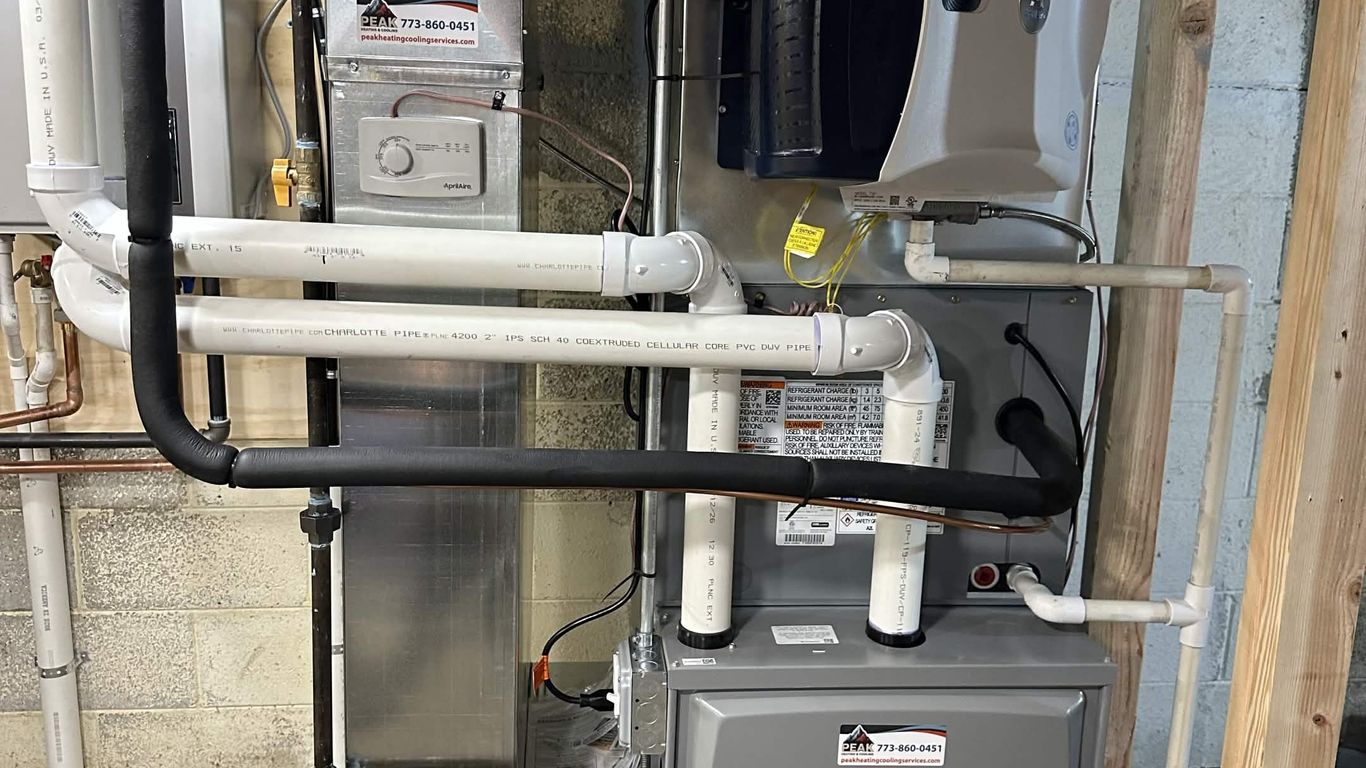
Getting a new HVAC system installed might seem like a big deal, and honestly, it is. But understanding what goes into it can make the whole experience smoother. It’s not just about swapping out an old unit for a new one; there’s a whole process involved to make sure your new system works right for years to come.
Load Calculation For Proper Sizing
This is probably the most important first step, and it’s something you really need a pro for. They don’t just look at the square footage of your house. Instead, they do a detailed calculation, often called a Manual J load calculation. This takes into account things like how much insulation you have, the number and type of windows, how high your ceilings are, and even which direction your house faces. Getting the size right means your system will run efficiently, keeping you comfortable without constantly cycling on and off. An oversized unit can lead to humidity problems, while an undersized one will struggle to keep up on the hottest or coldest days. It’s all about matching the system’s capacity to your home’s specific needs.
Site Preparation And Old System Removal
Before the new equipment even arrives, the installation site needs to be prepped. This usually involves protecting your floors with drop cloths and clearing a path for the technicians. If you have an old system, it needs to be removed safely. This isn’t just about disconnecting wires and pipes; it involves properly recovering any refrigerant according to environmental regulations. The old unit is then hauled away for disposal. It’s a bit like cleaning the slate before building something new.
New Equipment Installation And Connections
This is where the new hardware goes in. The indoor unit, like a furnace or air handler, is placed, and the outdoor unit (the condenser for AC or the heat pump) is set up on a level pad. Then come the connections. This includes running new refrigerant lines between the indoor and outdoor units, making sure they’re properly sealed and evacuated of air and moisture. Electrical connections are also made, linking the new system to your home’s power supply and the thermostat.
System Testing And Calibration
Once everything is installed, the job isn’t done. The technicians will test the system thoroughly. This involves checking that the airflow is balanced throughout your home, so you don’t have hot or cold spots. They’ll also perform calibration to make sure the system is operating at peak efficiency and safety. This often includes a final walkthrough with you, the homeowner, to explain how to use your new thermostat and answer any questions you might have about your new HVAC system.
Understanding these steps helps you know what to expect and why professional installation is so important for the long-term performance and efficiency of your new HVAC system.
Why Professional Hvac Installation Matters
It might seem like a good idea to save some cash by tackling HVAC installation yourself, or maybe hiring someone less experienced. But honestly, when it comes to something as complex and important as your home’s heating and cooling, cutting corners can really come back to bite you. Getting it done right the first time by a pro is a smart move for your comfort, safety, and your wallet.
Maintaining Your Equipment Warranty
Most manufacturers, the folks who make your furnace or air conditioner, have specific requirements for installation. Usually, this means it has to be done by a licensed professional. If you install it yourself or hire someone without the proper credentials, and something goes wrong down the line, your warranty could be completely void. That means if a part fails a few years from now, you’re on the hook for the entire repair cost, which can be thousands of dollars. A professional installation protects that investment and keeps your warranty active for its full lifespan.
Ensuring Safety And Code Compliance
HVAC systems involve high-voltage electricity, natural gas lines, and pressurized refrigerants. Messing with these without the right training and tools is seriously dangerous. Improperly installed systems can lead to gas leaks, electrical fires, or even carbon monoxide poisoning. Professionals know all the local building codes and safety regulations. They make sure everything is installed correctly and safely, so you don’t have to worry about those risks. They’ll also handle any necessary permits, which is another headache you can avoid.
The Dangers Of DIY Hvac Repairs
Think about it: you’re dealing with things that can literally cause a fire or make you sick if not handled properly. Trying to fix a gas furnace yourself, for example, could lead to carbon monoxide leaking into your home. Or, if you’re working with the electrical components, you could get a serious shock from the 220-volt circuits. Even handling refrigerant requires special licenses because it’s harmful to you and the environment. It’s just not worth the risk when you can call a licensed professional who has the right equipment and knows how to do the job safely.
Why Professional Expertise Is Crucial
Beyond just safety and warranties, professionals bring a level of knowledge that’s hard to match. They perform detailed load calculations to make sure your system is the perfect size for your home – not too big, not too small. They understand how to connect all the different parts, balance the airflow so every room is comfortable, and test everything thoroughly before they leave. This attention to detail means your system will run more efficiently, last longer, and keep you more comfortable year-round. It’s about getting the best performance out of your investment.
Choosing The Right Hvac System For Your Home
Picking out a new HVAC system can feel like a big decision, and honestly, it is. It’s not just about grabbing the first thing you see at the store. You’ve got to think about what actually fits your house and how you live. Getting the right size and type of system from the start makes a huge difference in comfort and how much you pay for energy.
Understanding System Selection And Efficiency
When we talk about picking the right system, we’re really talking about two main things: size and efficiency. You might think bigger is always better, but that’s actually a myth. An oversized system will turn on and off too quickly, which is called "short cycling." This wears out the parts faster and, surprisingly, it doesn’t even do a great job of taking humidity out of the air during the summer. On the flip side, a unit that’s too small will just run constantly and probably never get your house to the temperature you want.
To figure out the perfect size, pros use something called a load calculation. It’s not just about square footage. They look at things like how much insulation you have, the number and type of windows, how high your ceilings are, and even which way your house faces. This detailed look helps them figure out the exact heating and cooling power, measured in BTUs, that your home needs.
Then there’s efficiency. For cooling, you’ll see SEER2 ratings. Higher SEER2 numbers mean more efficient cooling. For heating, it’s AFUE. A higher AFUE means less fuel is wasted. Newer systems have much better ratings than older ones, which can lead to noticeable savings on your energy bills. You can find more info on these ratings in the U.S. Department of Energy HVAC guide.
Comparing Different System Types
Not all homes are set up the same, so different systems work better for different situations. Here’s a quick rundown:
- Central Air Conditioners and Furnaces: These are super common, especially if you already have ductwork. They provide consistent heating and cooling throughout your whole house.
- Heat Pumps: These are a great option if you’re looking to be more energy-conscious. They can both heat and cool your home, moving heat around instead of creating it.
- Ductless Mini-Split Systems: Perfect for homes without existing ducts, additions, or even specific rooms you want to control separately. They offer zoned comfort and are known for being quite efficient.
The Importance Of Load Calculations
We’ve touched on this, but it’s worth repeating: the load calculation is the bedrock of a good HVAC installation. It’s the detailed assessment that tells us exactly what your home needs. Without it, you’re basically guessing, and that can lead to a system that’s always struggling, costing you more money, and making you less comfortable.
Skipping the load calculation is like trying to build a house without blueprints. You might get something standing, but it’s unlikely to be sturdy, efficient, or exactly what you wanted. Professionals insist on this step because it’s the only way to guarantee the system will perform as it should for years to come.
Think about it: a system that’s too big short-cycles, wasting energy and not dehumidifying properly. A system that’s too small runs non-stop, never quite reaching the desired temperature and wearing itself out. The load calculation prevents both of these problems. It ensures your system runs smoothly, quietly, and efficiently, saving you money and keeping your home just right, no matter the weather outside. For a general overview of HVAC efficiency standards, see the U.S. Department of Energy HVAC guide.
Signs It’s Time For A New Hvac Installation
Sometimes, you don’t realize your heating and cooling system is on its last legs until it completely gives out. But usually, there are signs. Paying attention to these can save you from a really uncomfortable situation, especially when the weather gets extreme.
Rising Energy Bills Indicate Inefficiency
If you’ve noticed your monthly utility bills creeping up without any change in how much you use your heating or cooling, your HVAC system is likely losing its efficiency. Older units just aren’t as good at converting energy into comfortable temperatures as they used to be. It’s like trying to run a marathon with worn-out shoes – it takes a lot more effort to get the same result. This is a clear signal that your system is working harder than it should, costing you more money over time. If your system is over 10 years old, it might be time to look into an upgrade for better energy efficiency.
Frequent Repairs Signal System Failure
Are you finding yourself calling for repairs more often than you’d like? If you’ve had multiple service calls in the last year or two, those repair costs can really add up. It might be more cost-effective in the long run to put that money towards a new, reliable system. Think of it this way: if you’re constantly patching up an old car, eventually, you’re better off buying a new one. The same logic applies to your HVAC. When a system needs frequent attention, it’s often a sign that major components are failing and a complete breakdown might be just around the corner.
Experiencing Uneven Temperatures
Does one room feel like a sauna while another is an icebox? That’s a classic sign that your HVAC system is struggling to keep up. It might not have the power to circulate air effectively throughout your entire home anymore. This could be due to ductwork issues, a weakening blower motor, or simply an aging system that can no longer handle the load. Getting a new system that’s properly sized for your home can make a huge difference in maintaining consistent comfort from room to room.
When Your Furnace Is Over 15 Years Old
Most furnaces and air conditioners are built to last about 15 to 20 years. If your furnace is hitting or has passed that 15-year mark, it’s definitely on the older side. Even if it’s still running, it’s probably not operating as efficiently as it could be. Replacing an older furnace can lead to significant savings on your heating costs. Plus, older units are more prone to unexpected breakdowns, especially during the coldest parts of winter. It’s often a smart financial decision to consider replacement when your system reaches this age, rather than risking a costly emergency repair.
It’s easy to ignore minor issues with your HVAC system, hoping they’ll just go away. However, these small problems can often be indicators of larger, more serious issues that will eventually lead to a system failure. Addressing these warning signs proactively can save you a lot of hassle and money down the road.
Key Components Of Hvac Installation Services
When you’re getting a new HVAC system installed, it’s not just about the main furnace or air conditioner. There are several other important pieces that make the whole setup work right. Think of it like building a house – you need more than just the walls and roof; you need all the plumbing, electrical, and insulation to make it livable.
Central Air Conditioners and Furnaces
These are the heart of most home comfort systems. The furnace handles your heating in the colder months, while the central air conditioner takes care of cooling when it’s hot outside. They work together, often sharing ductwork and a blower motor. Getting these two installed correctly is super important for keeping your whole house at a comfortable temperature, no matter the season. A properly sized and installed system can really make a difference in your energy bills.
Heat Pumps For Year-Round Comfort
Heat pumps are pretty neat because they can both heat and cool your home. In the summer, they move heat from inside your house to the outside, just like an air conditioner. In the winter, they reverse the process and pull heat from the outside air to warm your home. This makes them a really energy-efficient option for many homeowners. They’re a great choice if you’re looking for one system to handle all your climate control needs.
Ductless Mini-Split System Installation
If your home doesn’t have existing ductwork, or if you have specific rooms that are always too hot or too cold, ductless mini-split systems are a fantastic solution. These systems consist of an outdoor unit and one or more indoor units that are mounted on walls or ceilings. They offer great flexibility and allow for zoned heating and cooling, meaning you can control the temperature in different areas of your house independently. This can lead to significant energy savings because you’re not heating or cooling empty rooms.
Humidifier Hvac Installation
Humidity plays a big role in how comfortable you feel, even if the temperature is just right. Too little humidity can lead to dry skin, static electricity, and irritated sinuses, especially in the winter. Too much can make your home feel muggy and promote mold growth. A whole-home humidifier is installed directly into your HVAC system to add the right amount of moisture to the air throughout your house. Getting this installed correctly involves precise cutting into your ductwork and ensuring a perfect seal to prevent air leaks. It’s a job that really requires attention to detail.
Proper installation of all these components ensures your HVAC system runs efficiently, lasts longer, and keeps your home comfortable year-round. It’s about more than just hooking up wires and pipes; it’s about creating a balanced system that works harmoniously.
The Professional Hvac Installation Procedure
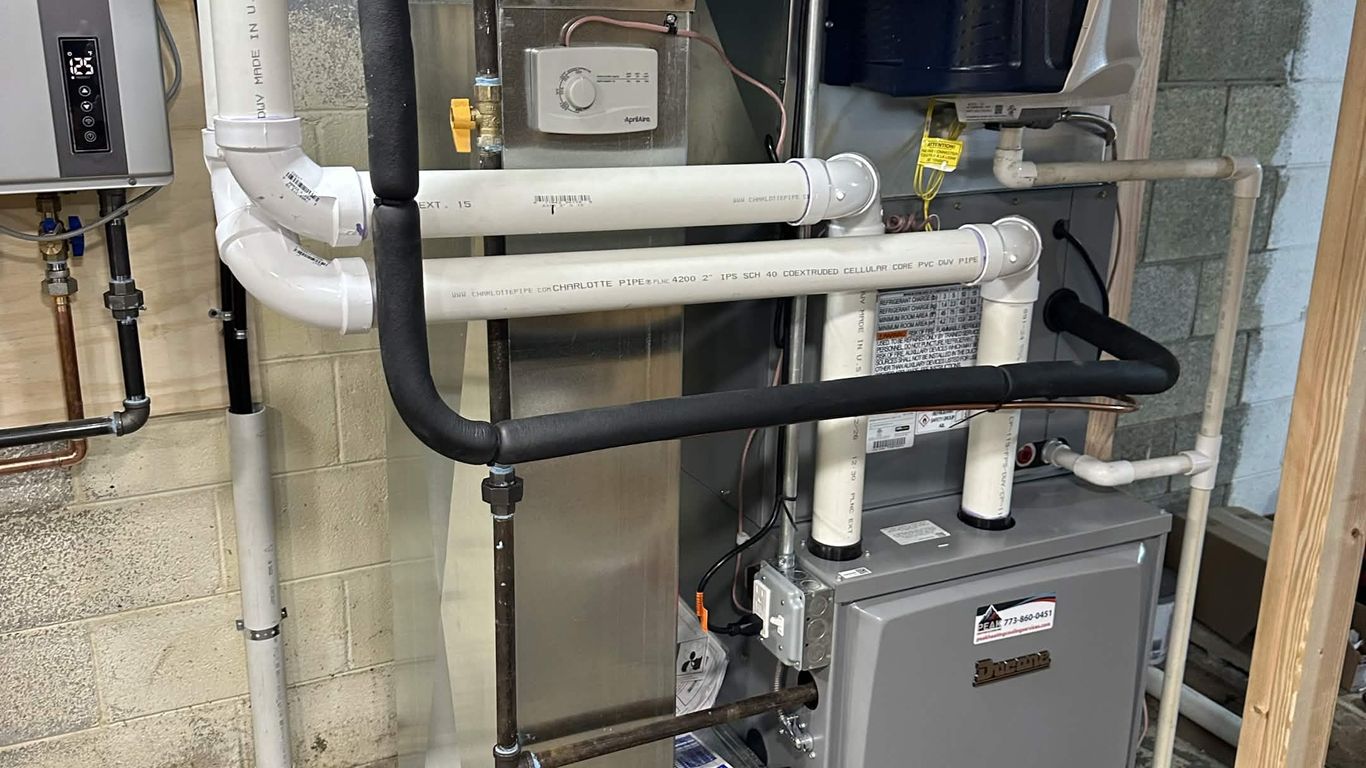
So, you’ve picked out the perfect new HVAC system for your place. Awesome! But what actually happens when the pros show up to install it? It’s more than just swapping out the old box for a new one. There’s a whole process involved to make sure everything runs smoothly and efficiently for years to come.
Running New Refrigerant Lines
First off, if you’ve got a central air conditioner or a heat pump, there are these things called refrigerant lines. These are basically the highways for the stuff that cools your house. The technicians will carefully run new copper lines between your indoor unit (like the furnace or air handler) and the outdoor unit (the condenser or heat pump). This step is super important because it needs to be done just right to keep the refrigerant from leaking out. After the lines are in place, they use a special vacuum pump to suck out all the air and moisture. Think of it like getting all the air out of a juice box before you drink it – you don’t want any gunk in there messing things up. This step is key to preventing problems with the compressor down the road.
Performing Electrical Connections
Next up is the wiring. Your new HVAC system needs power, and it needs the right kind of power. The installers will connect the new equipment to your home’s electrical system. This isn’t just plugging something in; they make sure the circuit breaker is the correct size for the new unit and that all the connections are secure and up to code. They’ll also wire up the thermostat, making sure it can talk to the new system properly. If you’re getting a fancy new smart thermostat, this is where they get it all set up and ready to go.
Balancing Airflow For Optimal Performance
Once everything is physically connected, it’s time to make sure the air is flowing where it needs to go. This is called airflow balancing. Imagine trying to drink through a straw that’s half-crushed – not much air (or liquid) gets through, right? It’s similar with your HVAC system. The technicians will check the airflow in different rooms and make adjustments to the vents and dampers. This makes sure that every room gets the right amount of heated or cooled air, so you don’t have one room that’s freezing while another is sweltering. They might use special tools to measure the air pressure and temperature coming out of each vent to get it just right.
Homeowner Walkthrough and Education
Finally, the job isn’t really done until you know how to use your new system. The installation team will walk you through everything. They’ll show you how to program your new thermostat, explain what those different buttons do, and tell you how often you should be changing your air filter. They’ll also register your new equipment for its warranty. It’s a good time to ask any questions you might have about operating or maintaining your new system. Getting this professional HVAC installation means you’re set up for comfort and efficiency from day one.
When it comes to installing your HVAC system, we follow a clear and careful process to make sure everything works just right. Our team checks every detail, from the initial setup to the final tests, ensuring your new system is efficient and reliable. We want you to be comfortable and confident with your new equipment. For a smooth and professional installation, visit our website to learn more and schedule your service today!
Wrapping Up Your HVAC Installation
So, getting a new HVAC system put in isn’t just about picking a unit and having someone hook it up. It’s a pretty involved process that really needs folks who know their stuff. From making sure the system is the right size for your house to hooking up all the wires and pipes just so, there’s a lot that can go wrong if it’s not done by a pro. Plus, you’ve got warranties and safety rules to think about. When you hire experienced installers, you’re not just getting comfort; you’re getting peace of mind that the job’s done right, safely, and will last for years to come. It’s definitely worth the investment to have it done correctly the first time.
Frequently Asked Questions
How long does a new HVAC system usually take to install?
For most homes, putting in a new heating and cooling system is a one-day job, usually taking about 8 to 10 hours. If we need to put in new air ducts or a more complicated system, it might take a couple of extra days. We try our best to finish quickly so it doesn’t mess up your daily life too much.
What makes the total cost of installing an HVAC system go up?
The price can change based on a few things. High-efficiency systems (with better SEER2 or AFUE ratings) cost more at first but save you money on energy bills later. The size of your house matters too, and if your old air ducts need fixing or sealing. Extra features like smart thermostats or humidifiers will also add to the cost.
Is it really that bad to try installing an HVAC system myself?
Trying to do it yourself is a bad idea. HVAC systems involve dangerous things like high-voltage electricity, natural gas, and pressurized coolant. Messing up can lead to fires, gas leaks, or even make your equipment break faster. Plus, most manufacturers won’t cover the warranty if it’s not installed by a pro.
Why is getting the right size HVAC system so important?
It’s super important! Bigger isn’t always better. A system that’s too big will turn on and off too much, which wears it out faster and doesn’t do a good job of removing humidity from the air. We do a special calculation called a ‘load calculation’ to figure out the perfect size for your home’s insulation, windows, and other features.
What are the signs that I need a new HVAC system?
Watch out for these signs: your energy bills are going up even though you’re using the same amount of energy, your system needs repairs more often than usual, you notice big temperature differences between rooms, or your furnace is older than 15 years. These usually mean it’s time for an upgrade.
Do I need to worry about safety rules and inspections?
Yes, absolutely. Building codes are in place to keep you safe. Improperly installed systems can cause dangerous issues like carbon monoxide leaks or electrical fires. When you hire professionals, you know the installation will meet all local safety rules and pass inspections without any problems.